Category: Economy
-

Trump renewed his criticism of Canada amid the tariff dispute, saying it wants the benefits of statehood without being a state. What the argument claims, the case against it, and why sovereignty framing makes a technical dispute harder to settle.
-

Kiribati, Palau and Papua New Guinea have detained four Chinese and Indonesian vessels in a coordinated Pacific enforcement operation. Why small island states police an area the size of a continent, what “illegal fishing” actually covers, and why licence fees are national budgets.
-

A yearlong US ban on Mexican cattle imports ends on 24 August, reopening a $1.2 billion trade. Why a fly closed the border, why the reopening is deliberately slow, and why the ban did not keep the screwworm out of Texas anyway.
-

The US is transferring $600 million to Gavi, mostly to expand malaria vaccine access. Why Gavi is a market mechanism rather than a charity, how advance commitments cut the price per dose, and the argument over justifying aid by self-interest.
-
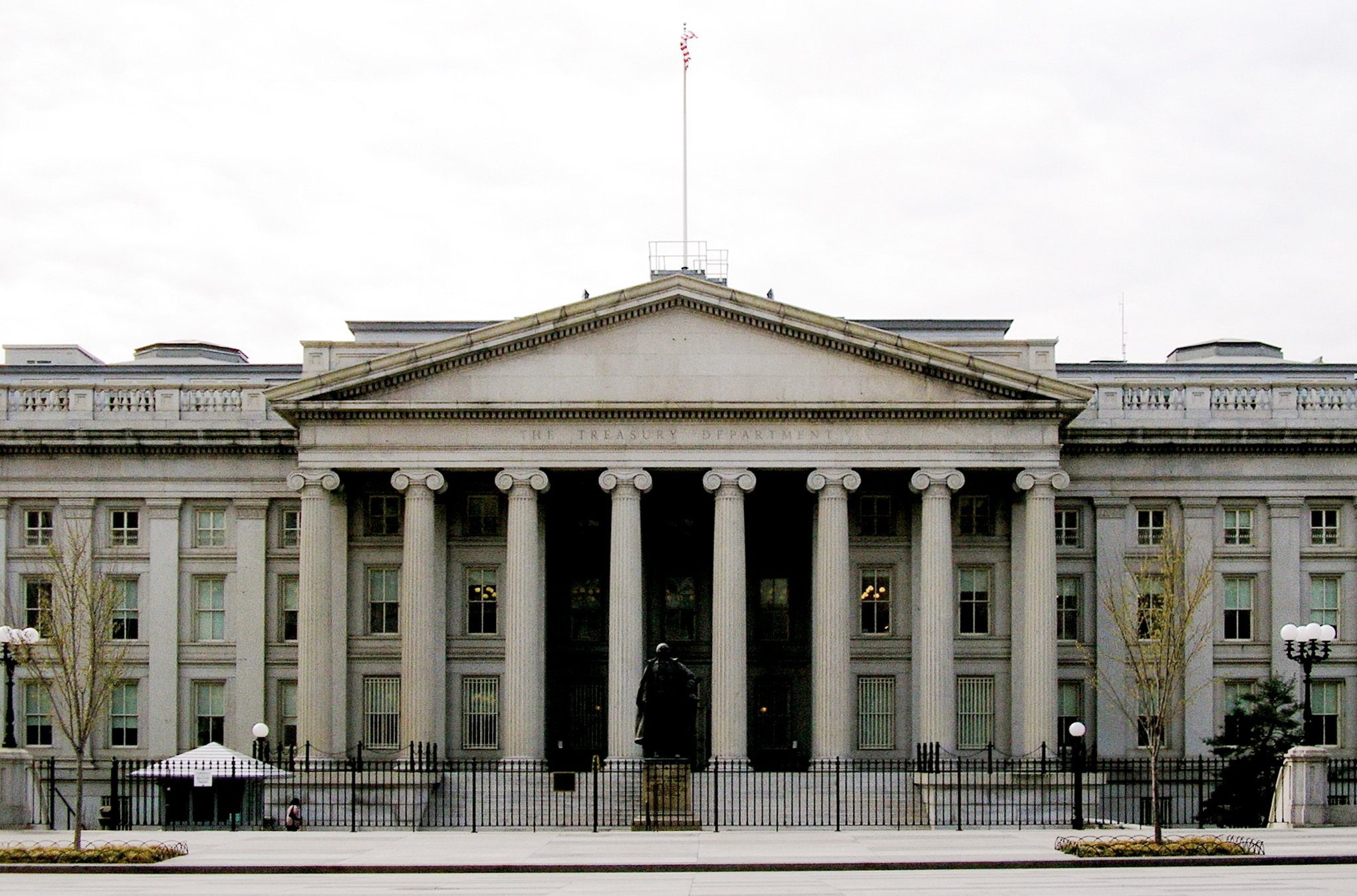
The US national debt has passed $40 trillion. What the figure counts, why debt and deficit are different things, which measures economists actually watch, and why nothing in particular happens at a round number.
-

Trump has paused new 50 per cent tariffs on Canadian goods for three days. Why a 50 per cent tariff is a different kind of instrument from a 12 per cent one, what a three-day pause is actually for, and why integrated supply chains make Canada a peculiar target.
-
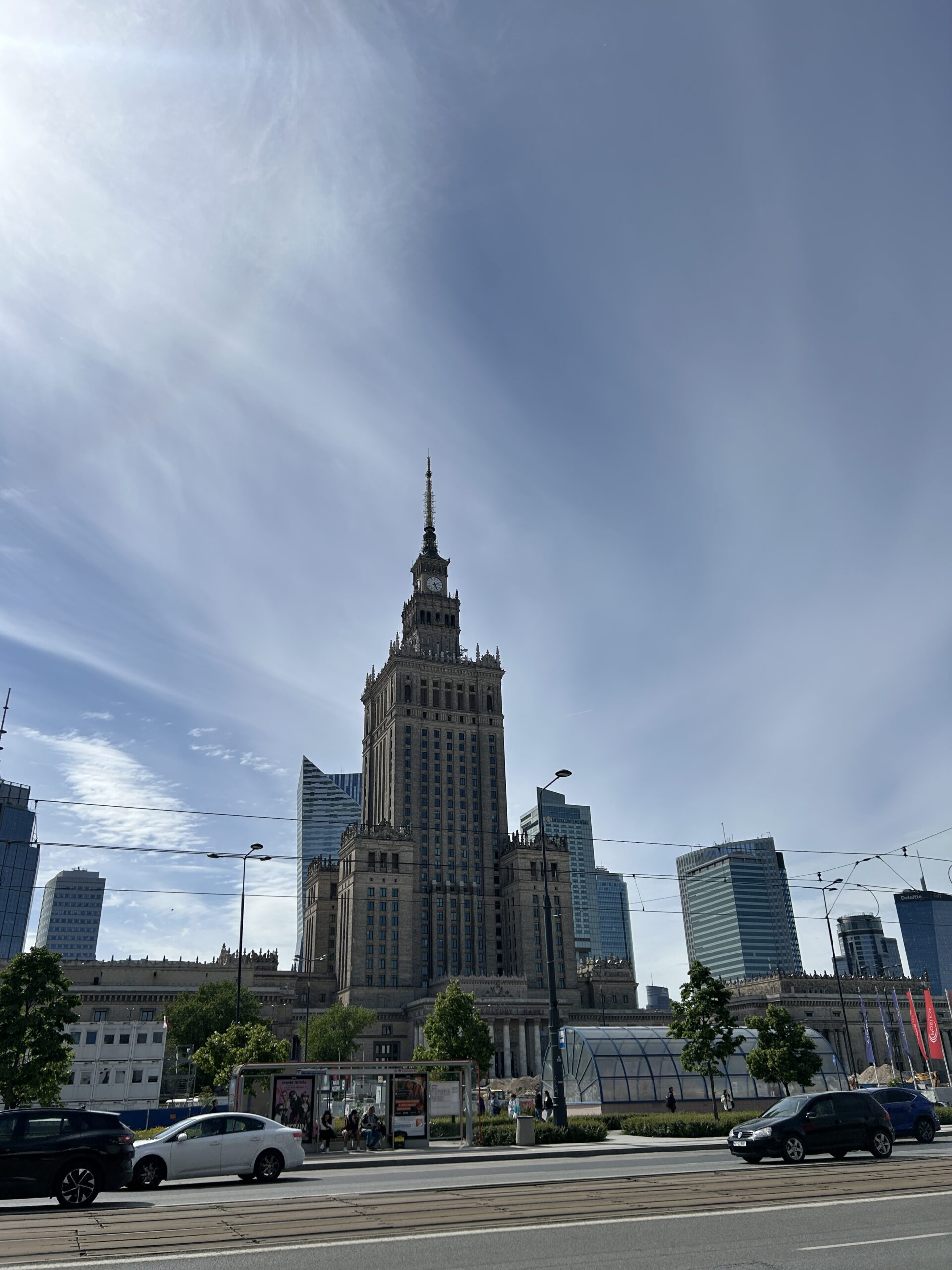
Poland is appealing a Brussels ruling ordering it to accept and pay for €1.3 billion of COVID vaccine doses it says it does not need. How advance purchase agreements work, why both sides have a real case, and what a better contract would have contained.
-
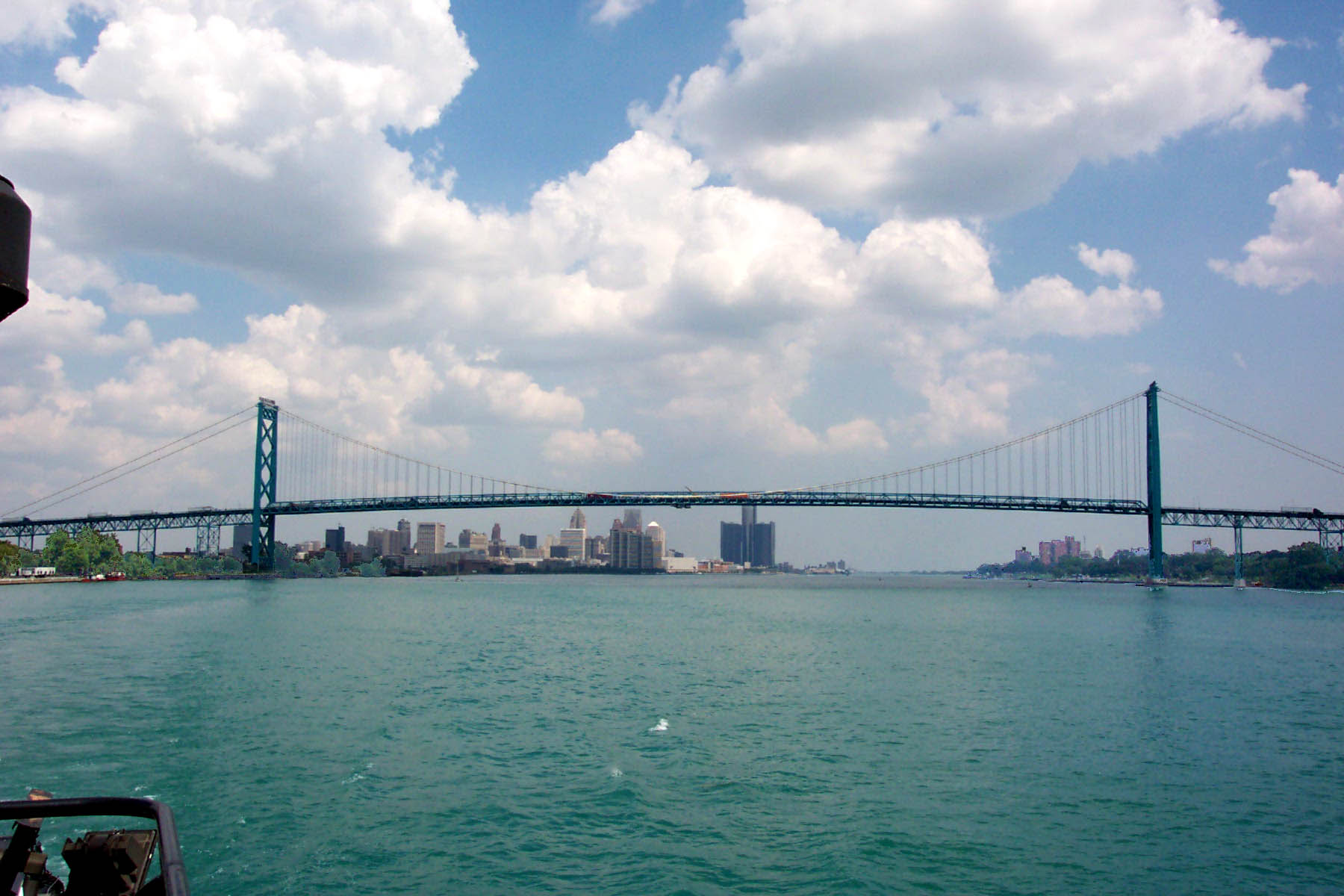
Washington and Ottawa struck a last-minute deal delaying 50% tariffs on about $20bn of Canadian imports. Why a postponement still costs something, why the figure is a targeted slice, and what integrated supply chains do to a tariff.
-

Russians are pulling billions out of their bank accounts, squeezing bank liquidity and the government bond issuance that funds the war. How deposits end up paying for a war, why the cause matters, and what the state can do about it.
-
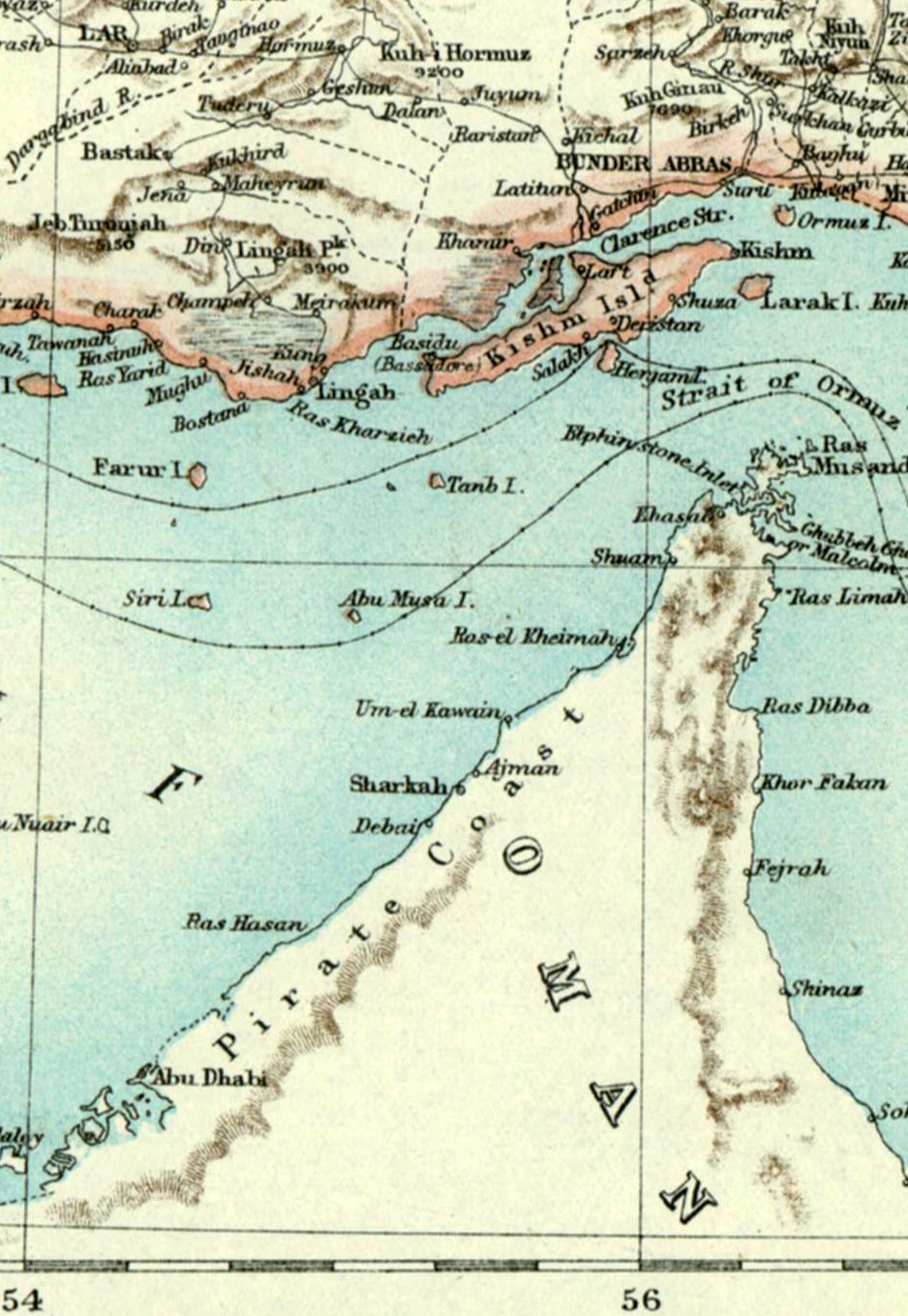
Iran and Oman are reported to be close to a deal on managing the Strait of Hormuz. Why the mediator is Oman, what “managing” could actually mean, and why one version of the deal would matter at every strait in the world.