Category: Economy
-

Buenos Aires has opened sanction proceedings against 45 people and companies over oil work around the Falkland Islands. The firms involved mostly do not trade in Argentina — which is why the interesting part is the shareholders, directors and suppliers.
-

The US added nearly 5 GW of land-based wind in the second quarter while the pipeline behind it shrank. Those measure different years — and the number worth watching is the one nobody reports.
-

California growers are ploughing lettuce back into the ground and laying off pickers because shoppers are wary of illness. The measure that would settle whether the food safety system is failing is not the outbreak count.
-
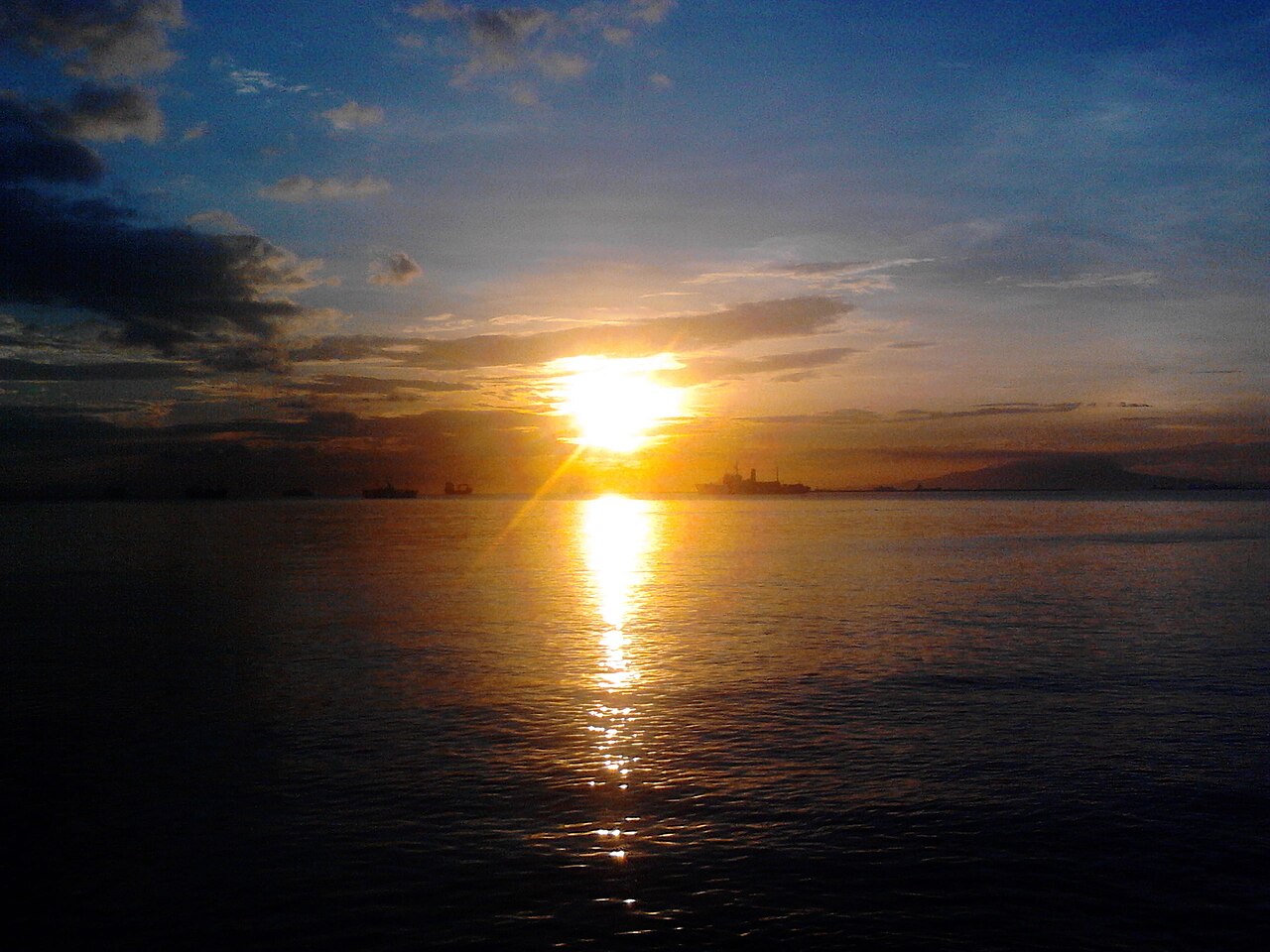
Two Filipino seafarers were killed when an Iranian attack struck a Saudi-owned tanker. They had no stake in the war. A quarter of the world’s merchant crews are Filipino, and nothing in the system produces a finding when one of them is killed.
-

Chevron will put $7bn into Venezuela and more than double production. Exxon, asked the same week whether anything had changed since it called the country uninvestable, said nothing had. One of those two judgements will turn out to be wrong.
-

Vegetable oil in Iran costs 383 per cent more than a year ago and the currency is collapsing. Why an imported staple is the fastest read on a currency crisis, and the long argument about who economic pressure actually reaches.
-
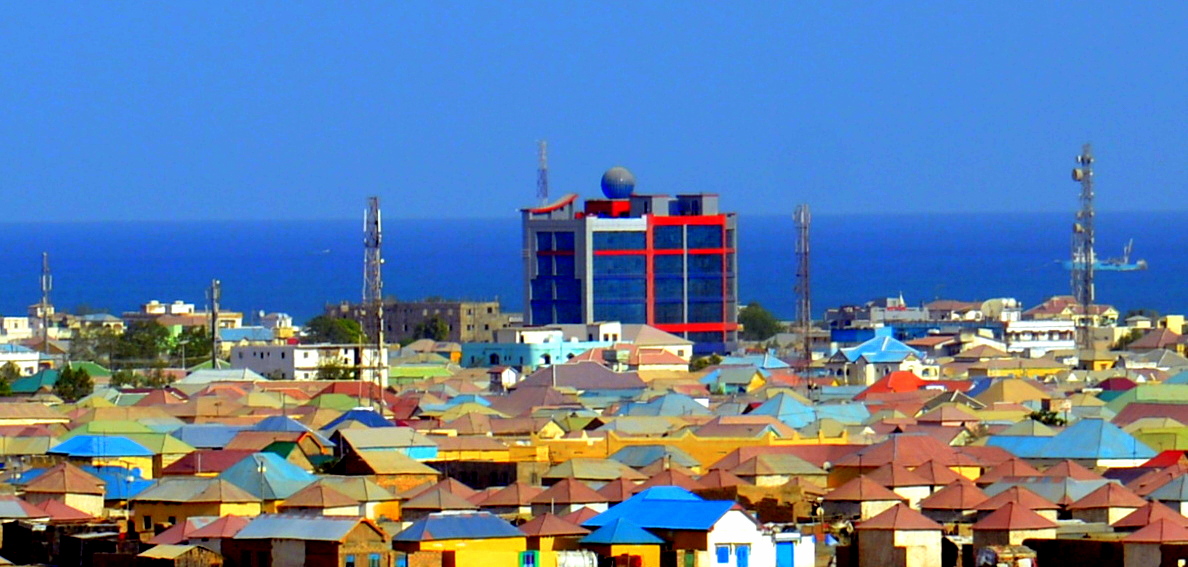
At least fifteen attacks off Somalia this year, eight in the Gulf of Aden since May. The warships that suppressed piracy went to the Red Sea and Hormuz. Puntland and the federal government now disagree over whether a ransom was paid.
-

Washington stopped inspecting Michoacán avocados in August and Mexico sent 1,557 troops. ACLED’s reading is that guarding one crop moves the extortion rather than ending it — and the state’s own violence data already shows the shift.
-
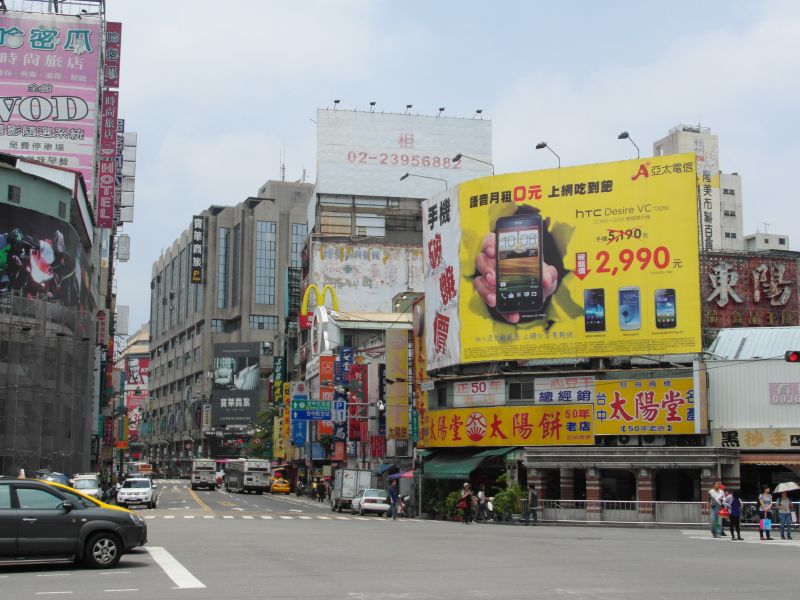
US customs found forced-labour indicators at one of the world’s biggest bicycle makers and stopped its Taiwanese exports. Taiwan issued forced-labour guidelines afterwards. Researchers had documented the problem for years.
-

Seventeen fields, 65 billion barrels, 25 years, a 55 per cent US stake and the right to buy at cost. No text has been released, and the terms that decide whether it is worth anything are the ones not published.