Category: Americas
-

The cheque goes to the importing country’s own treasury, written by one of its own companies. But who writes the cheque and who bears the cost are different questions, and the answer changes with the product. A plain-language guide to tariff incidence.
-
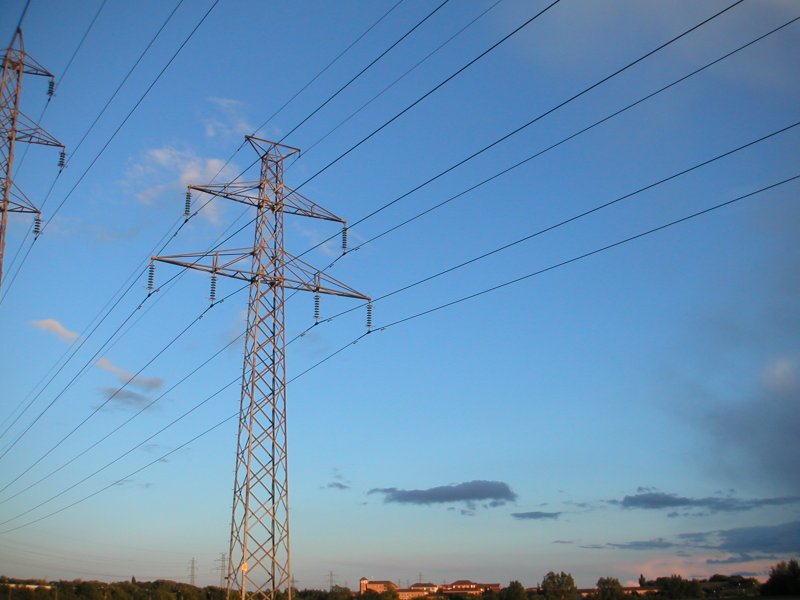
Ontario’s premier says Canada could cut off electricity and critical minerals to the United States. Provinces do control their own resources — but the grid is shared, the contracts are long, and the constitutional question has never been tested.
-

A car crossing the Canada-US border is rarely a foreign product arriving in a domestic market — it is usually a partly finished North American product coming back. That is why a 50 per cent auto tariff behaves differently from an ordinary import tax.
-
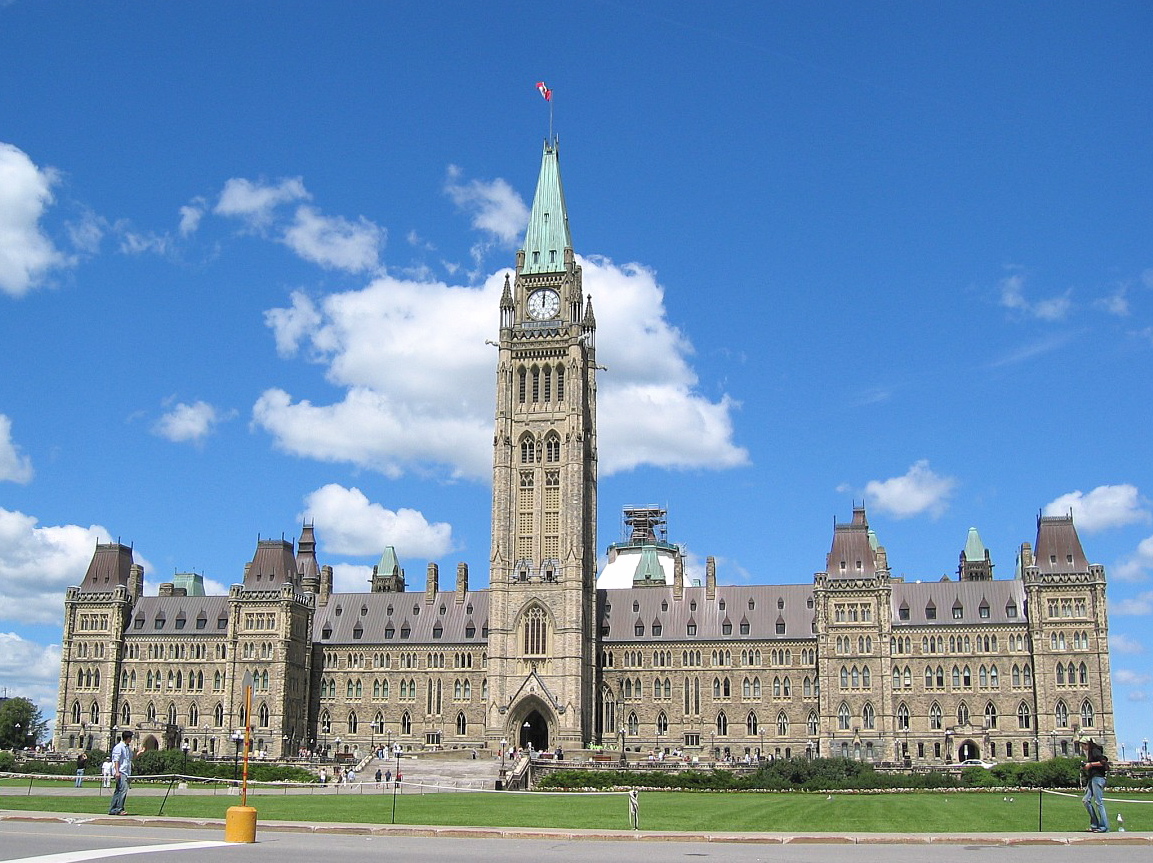
Trade talks have collapsed, the president has threatened 50 per cent tariffs on Canadian vehicles, and the public exchange has moved to insults between Trump and Ontario’s premier. Underneath it is a concrete dispute about whether Canada keeps an auto industry.
-

Trade talks collapsed on 21 August, 50% US tariffs took effect on $20 billion of Canadian goods, and Ottawa will retaliate dollar for dollar on 8 September. Carney says Canada was attacked; Washington says Canada’s trade policy is among the world’s worst.
-
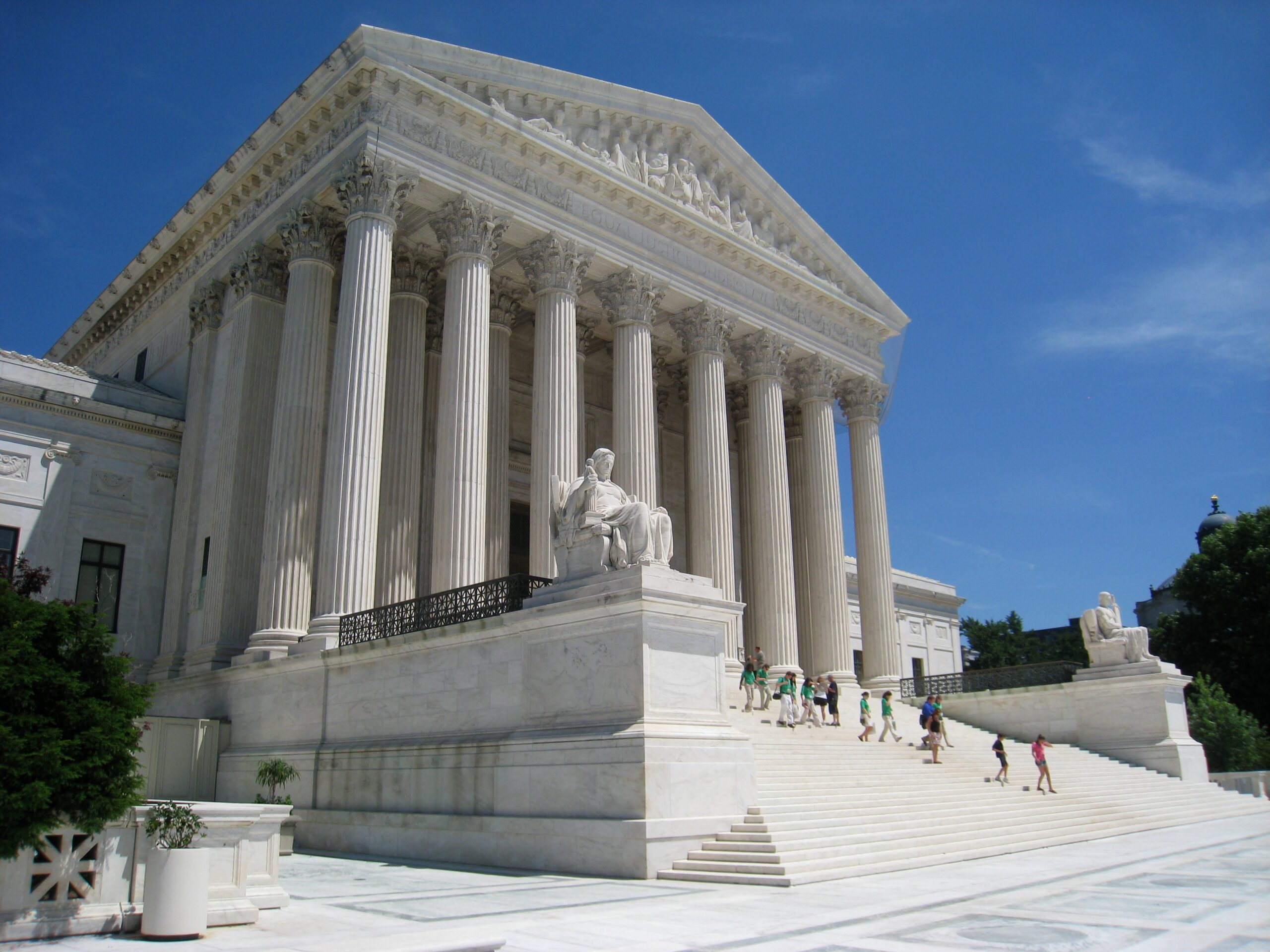
In an unsigned 6-3 order, the US Supreme Court lifted a judge’s injunction against the president’s executive order on mail voting. The ruling turned on whether the challenge came too early — not on whether the order is lawful. A second injunction is still standing.
-
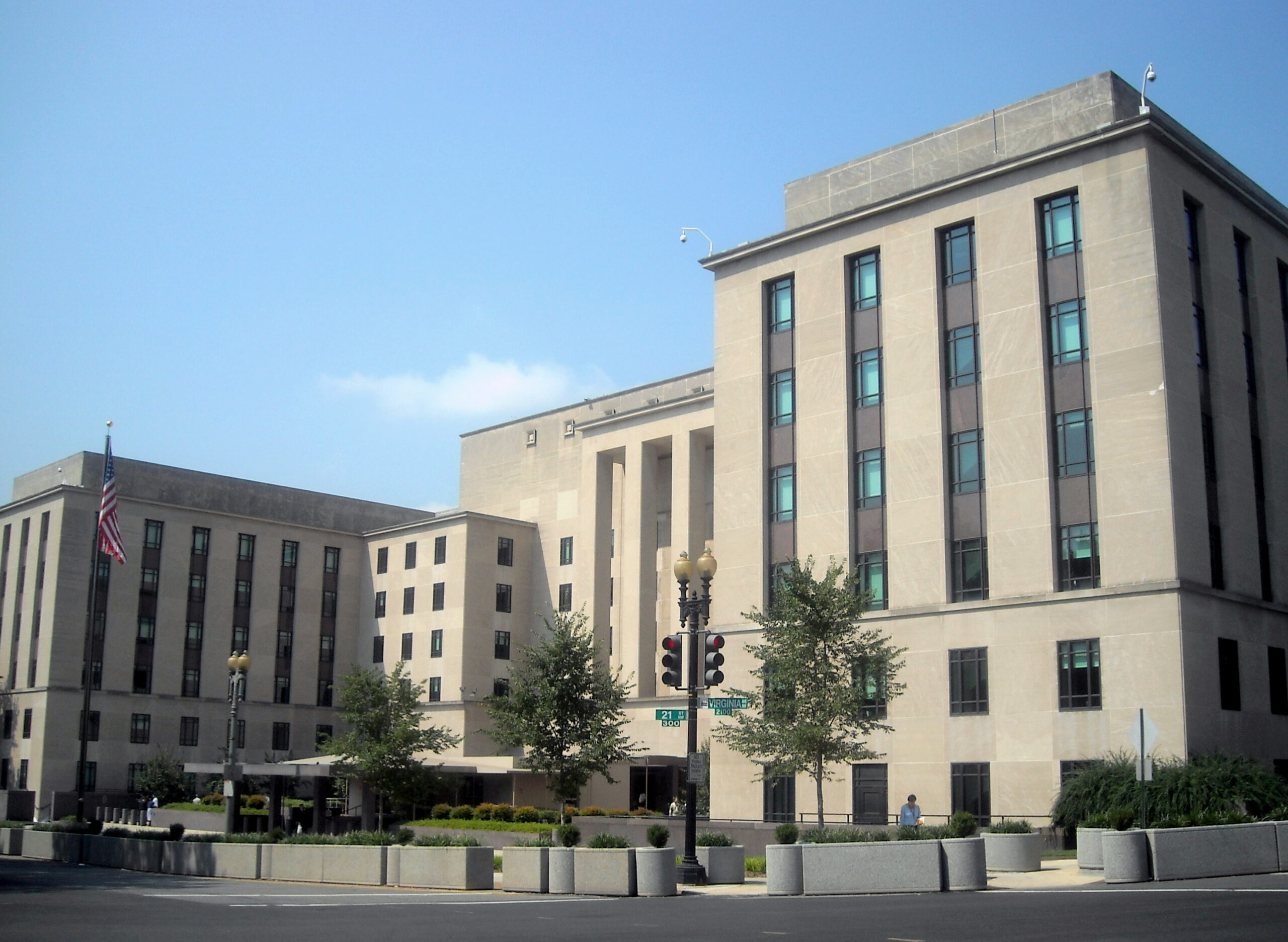
Syria’s removal from the American terrorism blacklist has put an obscure legal instrument on the front pages. What is the list, who decides who goes on it, how does a country get off, and why does a US designation matter to banks and shipping companies that are not American at all?
-

Researchers found that one malicious link could turn Microsoft’s Copilot into a channel for stealing connected email and files, with instructions that persisted in the assistant’s memory. Why prompt injection is not an ordinary bug, and why connectors raise the stakes.
-
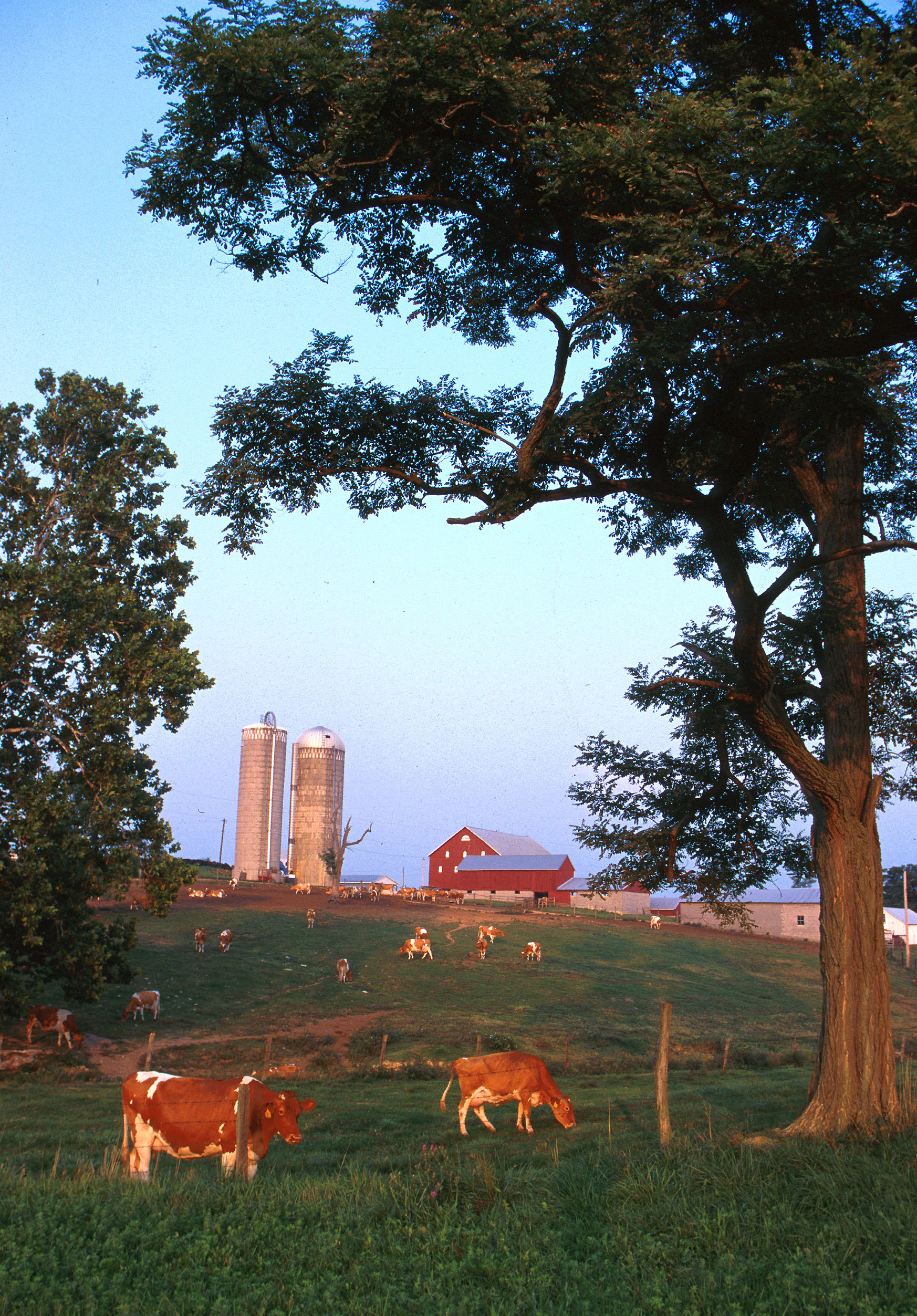
Three of twelve cats sampled near California dairy farms carried antibodies to H5N1. What that shows, why farm cats sit at an awkward junction between livestock and wildlife, and the welfare question that no framework currently owns.
-

A Republican campaign committee has warned AI companies that data centres are costing the party votes in Ohio. Why a data centre shows up on a household bill, why transmission is the binding constraint, and what the memo actually signals.