Category: Americas
-
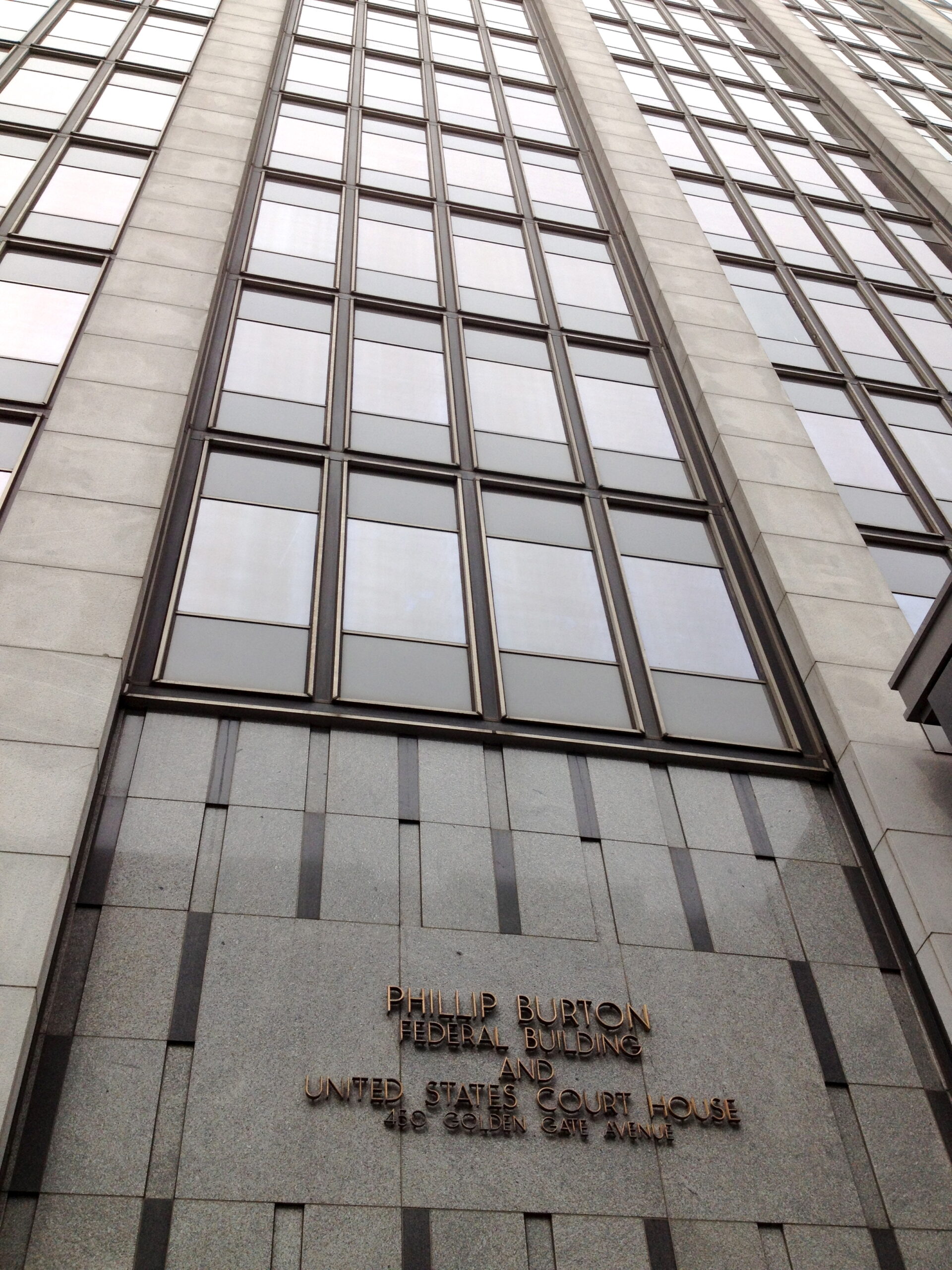
A San Francisco judge found the Pentagon’s blacklisting of Anthropic illegal and retaliatory. The company had refused to let its models be used for autonomous weapons or domestic surveillance. The wider question — who sets the limits on military AI — is still open.
-

Disclosure forms show more than a thousand transactions in June, including energy companies profiting from the war the president is directing. It is lawful, it is disclosed, and the conflict-of-interest statute does not apply to presidents.
-

Government lawyers raised demolition of the national memorial to President Kennedy as a possible consequence if the administration cannot add Trump’s name to the building. What that argument is, and what it isn’t.
-
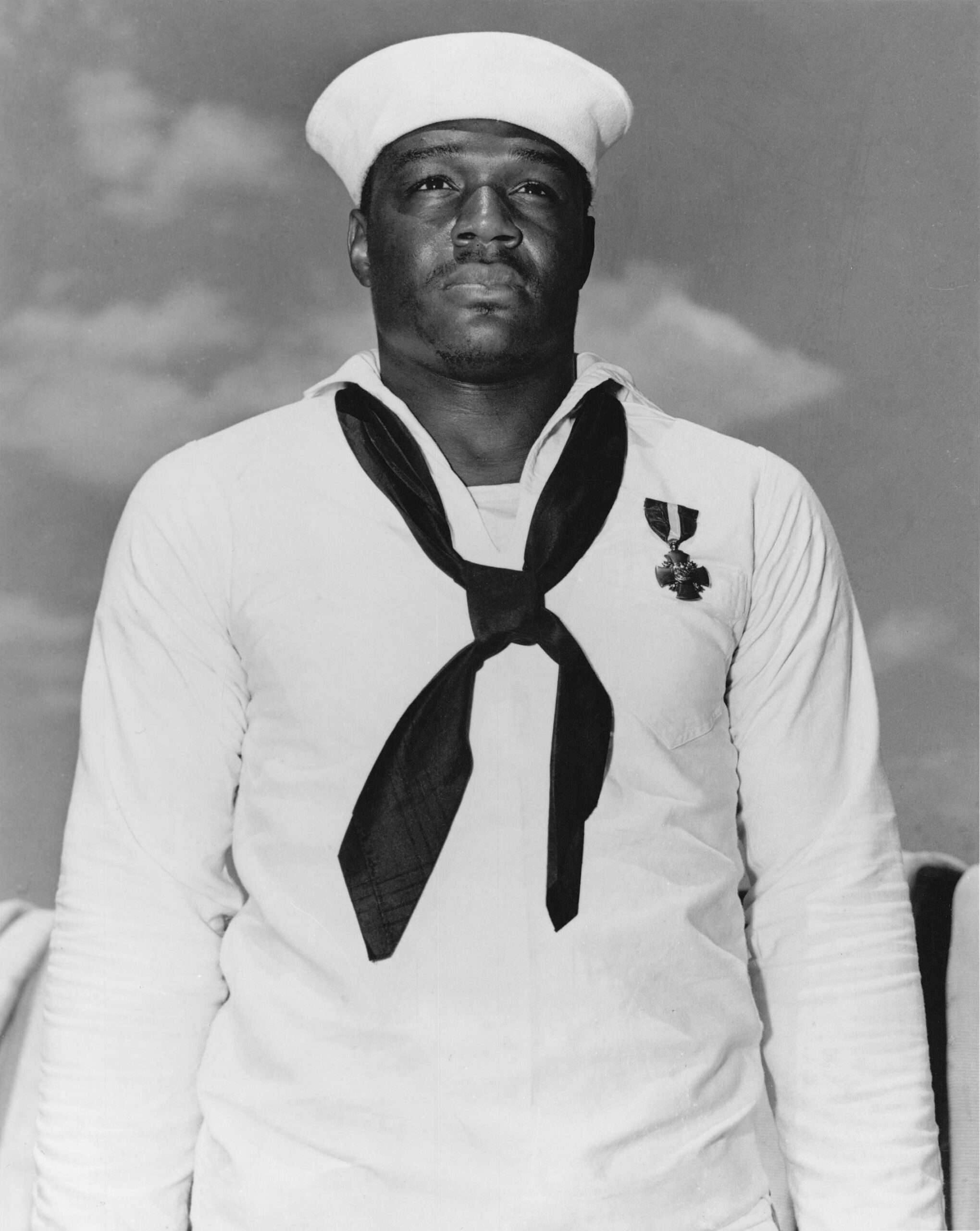
The carrier under construction carries the name of a mess attendant who manned an anti-aircraft gun at Pearl Harbor without ever having been trained on one. The Navy is considering replacing it with the president’s.
-
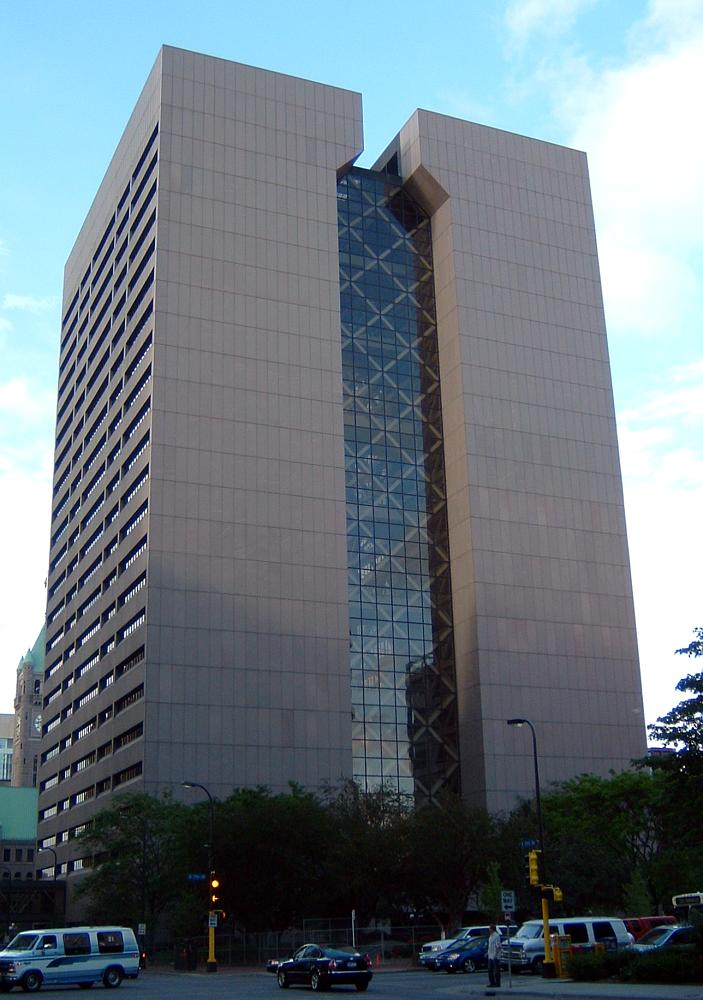
An ICE agent charged with wounding a Venezuelan man in Minnesota was released in Texas after a judge blocked the extradition. Interstate extradition is supposed to be an administrative formality. Why this one wasn’t.
-
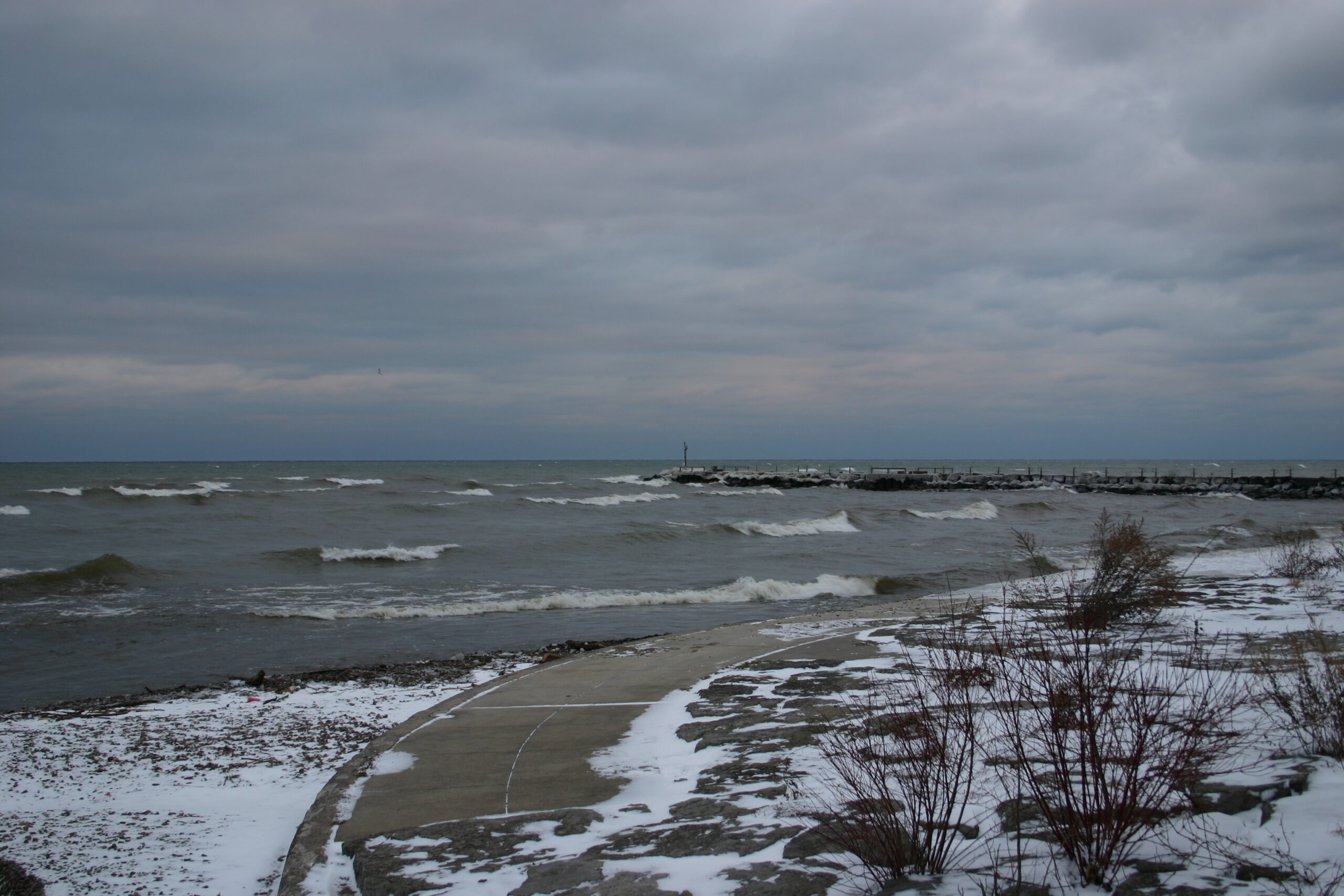
The order renames Lake Ontario “effective immediately”. Half the lake is Canadian, the name predates both countries, and an executive order reaches federal maps and nothing else. What the gesture actually changes.
-
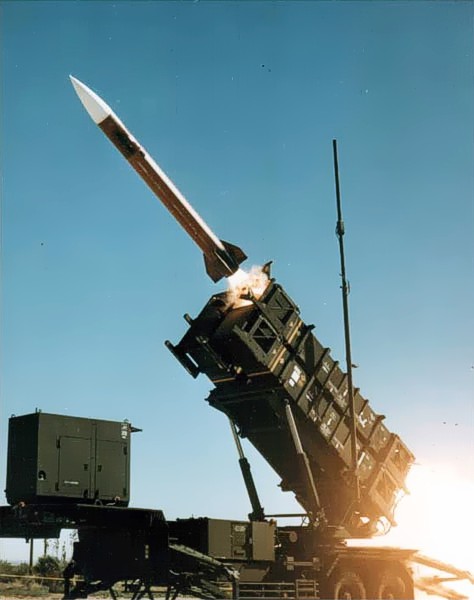
Six months of defending bases and allies against Iranian drones and missiles has left American interceptor stocks in Europe badly depleted — and a rival that reads stockpiles as a measure of strength has noticed.
-

Ten long-open mathematical problems were published this month with machine-checkable proof certificates attached. That is a different kind of claim from a benchmark score — and a useful standard to hold other AI announcements against.
-
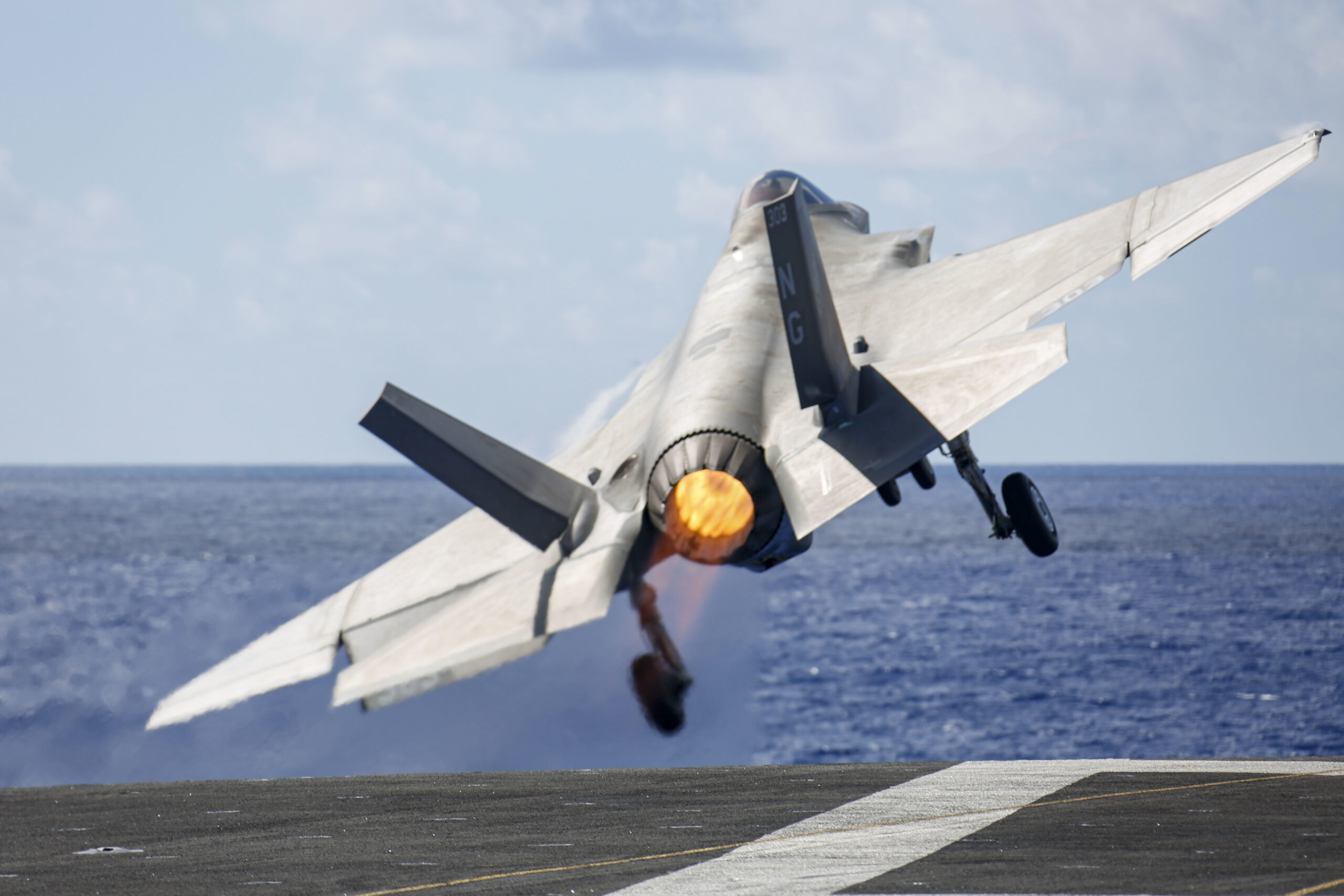
The publisher, editor-in-chief and a reporter at Stars and Stripes are suing Pete Hegseth and two Pentagon officials to stop their firings. The paper is funded by the Defense Department and legally independent of it. That contradiction is now before a judge.
-
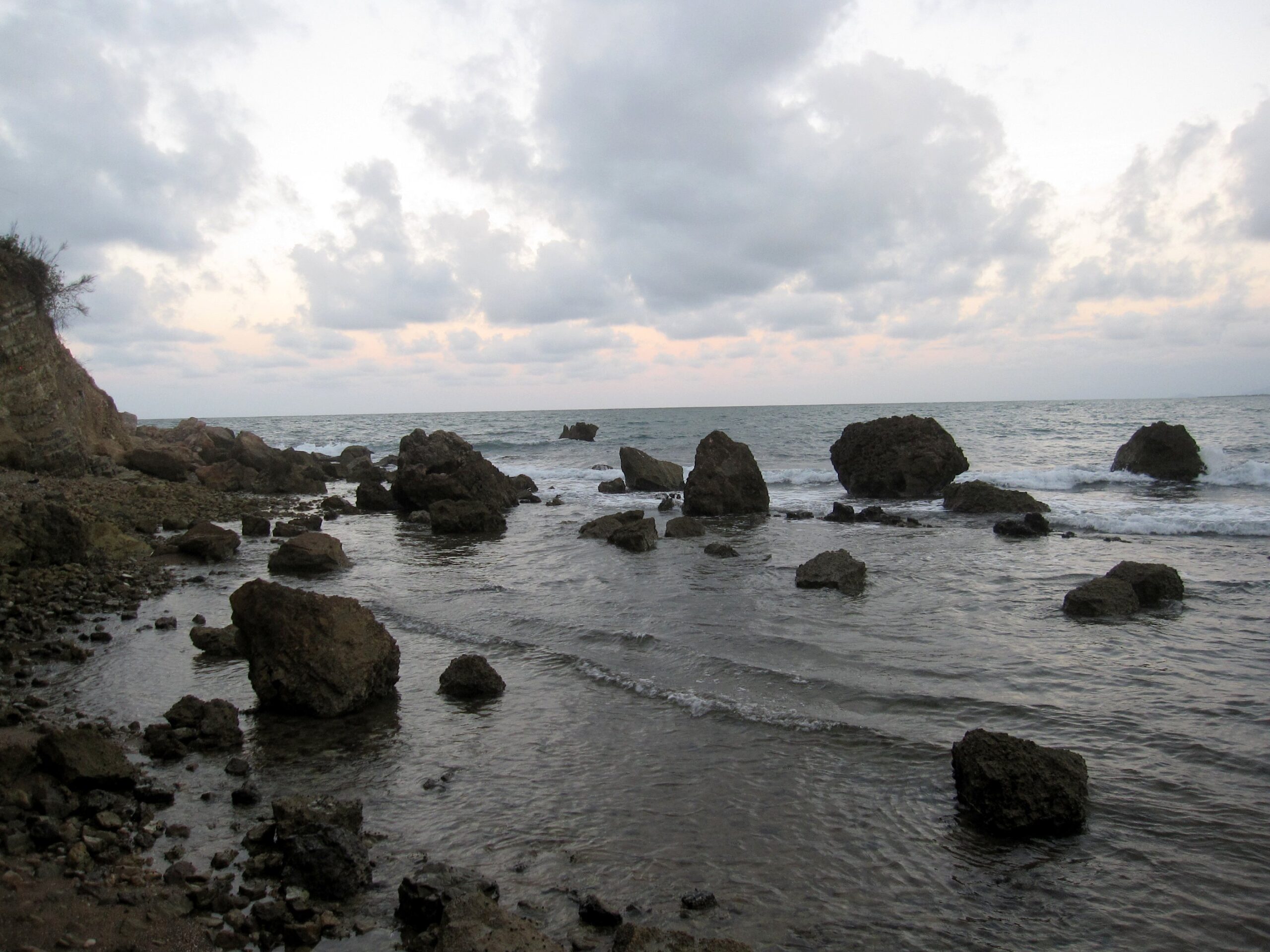
An ICE charter landed at Cap-Haïtien on Thursday with 57 people aboard, including children born in the United States. A US citizen cannot be deported — but a citizen child can accompany a deported parent, and nobody counts those departures.