Category: Others in Africa
-
Sudan’s war has settled into an east–west partition with two parallel governments, and the fighting has moved to the region between them. Sieges and drone strikes in Kordofan are producing famine risk — and famine in modern war is rarely about a shortage of food.
-
Recorded violent incidents in north-west Nigeria rose 78 per cent in the first half of 2026. The armed groups responsible hold territory, tax communities and kidnap at scale — but they are called bandits, and that word keeps the story out of the news.
-

Northern Mozambique has been at war since 2017, in a province holding one of the century’s largest gas discoveries. People there have been displaced repeatedly rather than once, which erodes households in a way a single flight does not.
-

Kenya’s president has ordered a crackdown on foreign nationals running small businesses, drawing accusations of xenophobia. The arguments for and against measures like this are consistent across countries — and the people affected are often refugees with no other permitted livelihood.
-
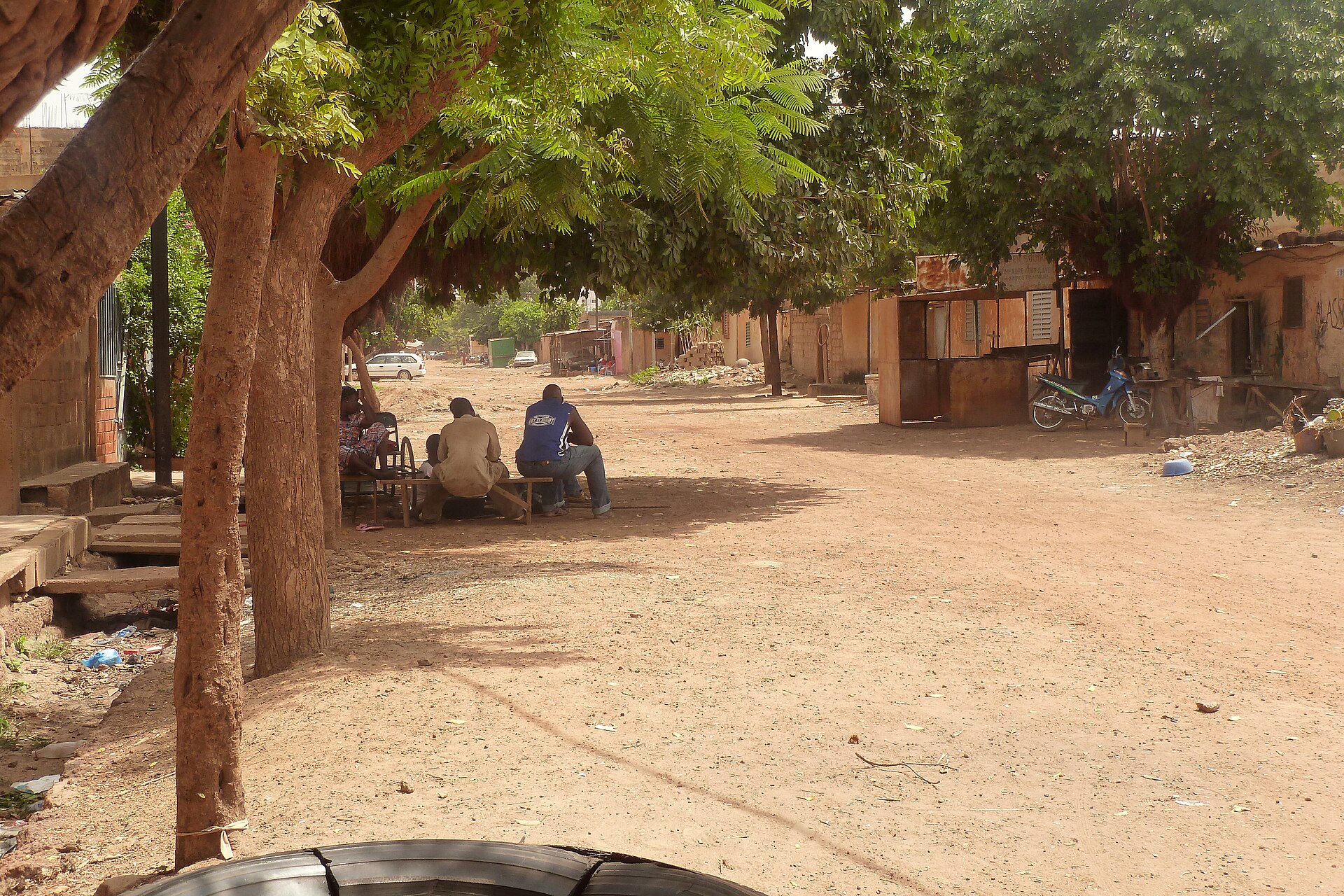
Burkina Faso’s last official displacement figure — 2.1 million, about nine per cent of the population — dates from March 2023. Armed groups now control roughly half the country. When the headline number stops moving, the humanitarian appeal built on it stops growing too.
-
A year ago an al-Qaeda affiliate announced a fuel blockade on southern Mali. More than 300 tankers have been destroyed since. There is no front line and no battle to photograph, which is much of the reason one of West Africa’s most consequential events goes largely unreported.
-

Nigeria’s national generation fell to 1,132 megawatts on the night of 22 August, from more than 4,000 earlier that day, with twelve plants showing zero output. No cause was given. The country’s real electricity cost does not appear in the tariff at all — it appears in the generators people have to buy.
-
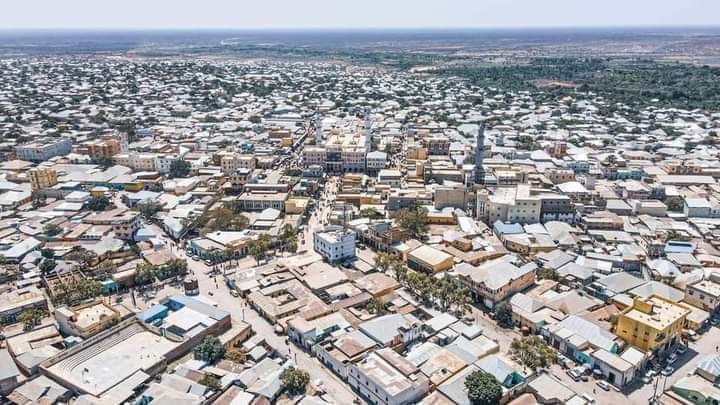
Fighting broke out again in Baidoa on 3 September between Somali federal forces and militias loyal to the removed president of South West State. A hospital reported 71 wounded and one civilian killed. The dispute is about who runs a regional government — and al-Shabaab is the party gaining from it.
-

A new systematic review estimates 402 to 433 million cases of unintentional acute pesticide poisoning among farmers and farmworkers every year — around 46 per cent of the world’s farming population. The figure is large, the method involves substantial extrapolation, and both facts matter.
-

Zimbabwe is clearing street traders from the pavements again. The traders return faster than the enforcement budget lasts — which is what happens when a country tries to police a labour market rather than replace it.