Category: World
-
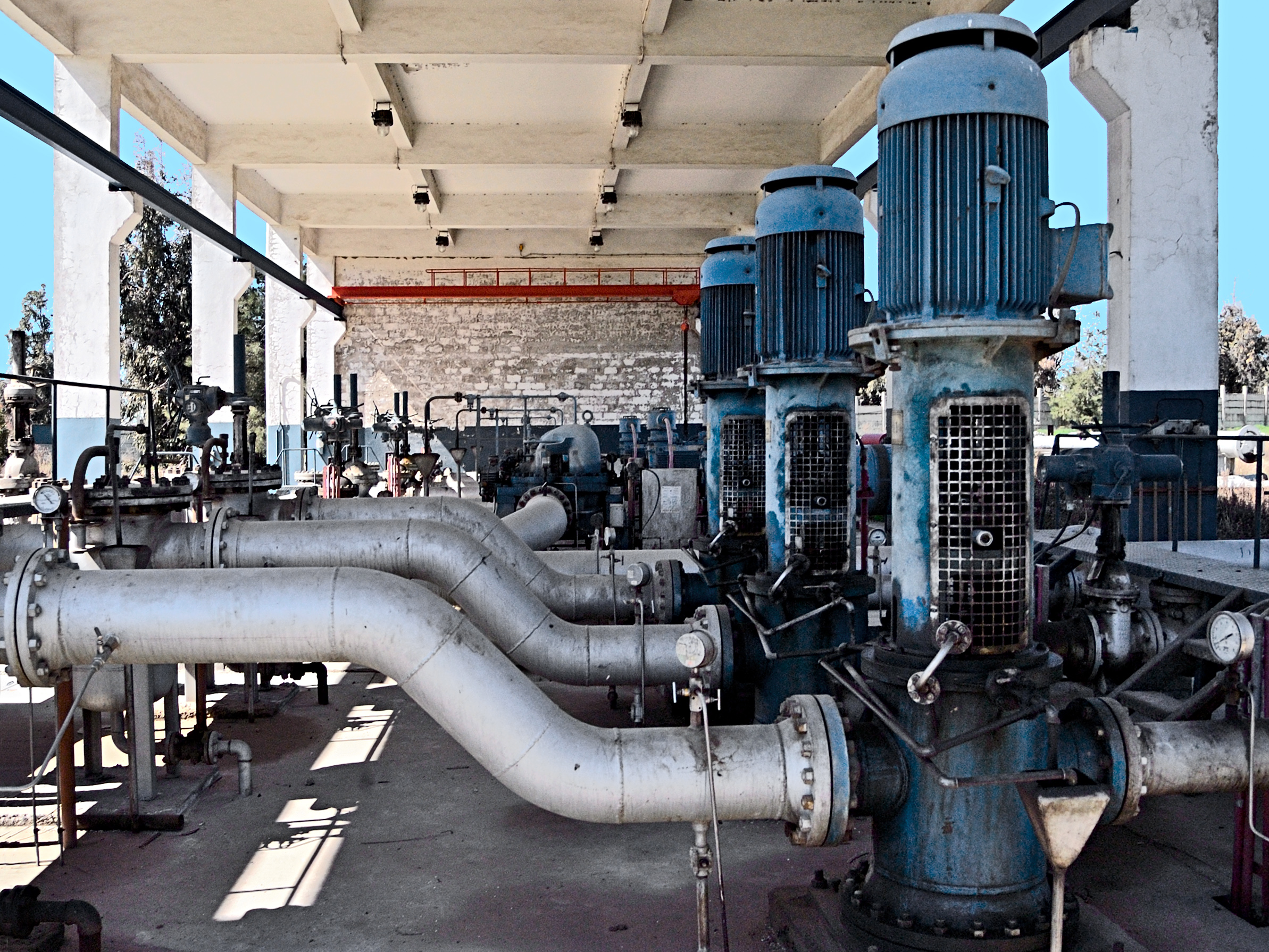
Ukrainian drones hit a refinery in Tatarstan and an oil terminal in Krasnodar overnight. Why a refinery and a terminal are different targets, why the distance is the point, and why damaging refineries can raise crude exports rather than cut them.
-
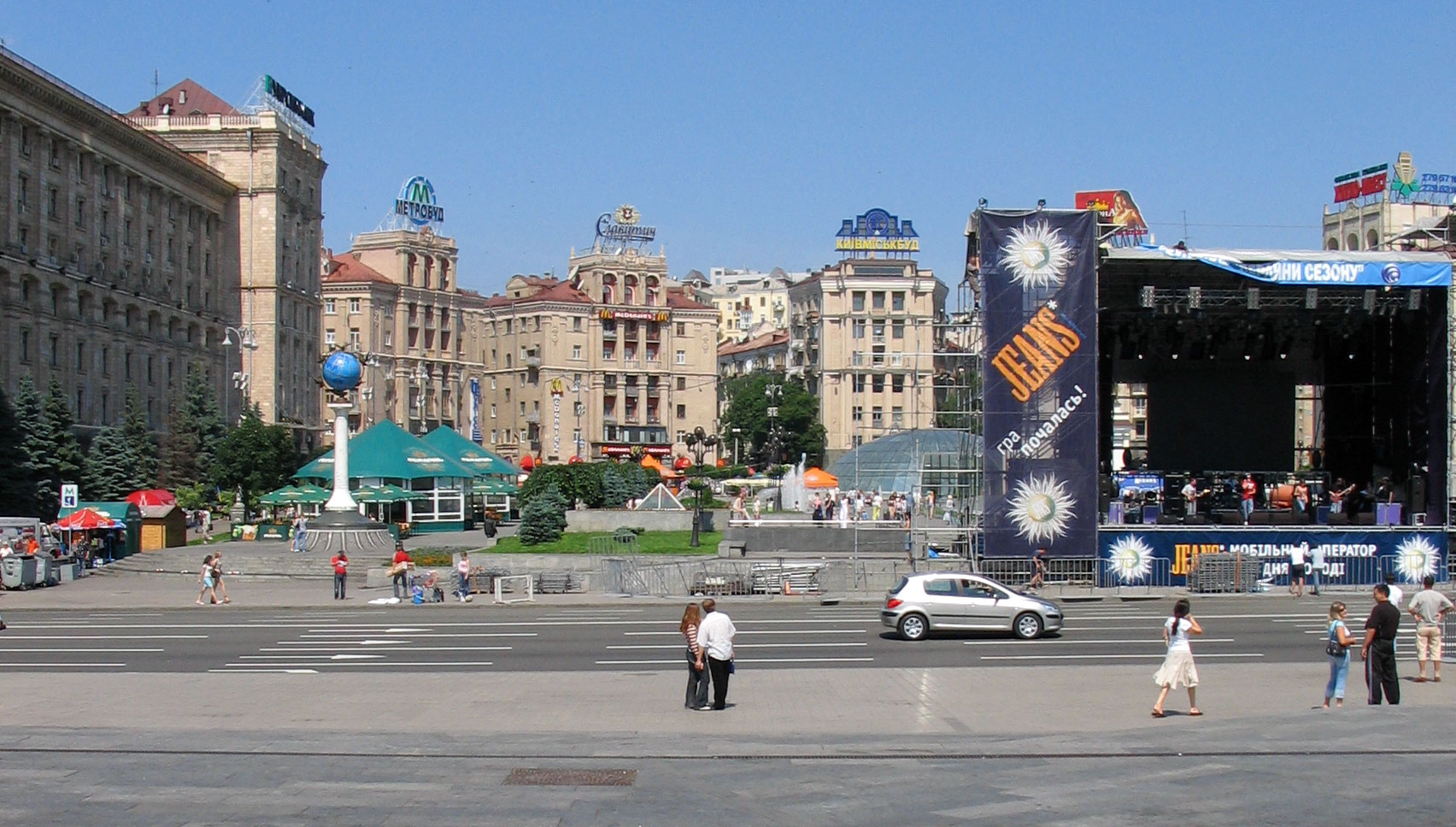
At least twelve people were killed in an hours-long ballistic missile and drone attack on Kyiv, with a children’s hospital among the buildings damaged. Why the toll will move, what “damaged” does and does not establish, and why the two weapons were sent together.
-
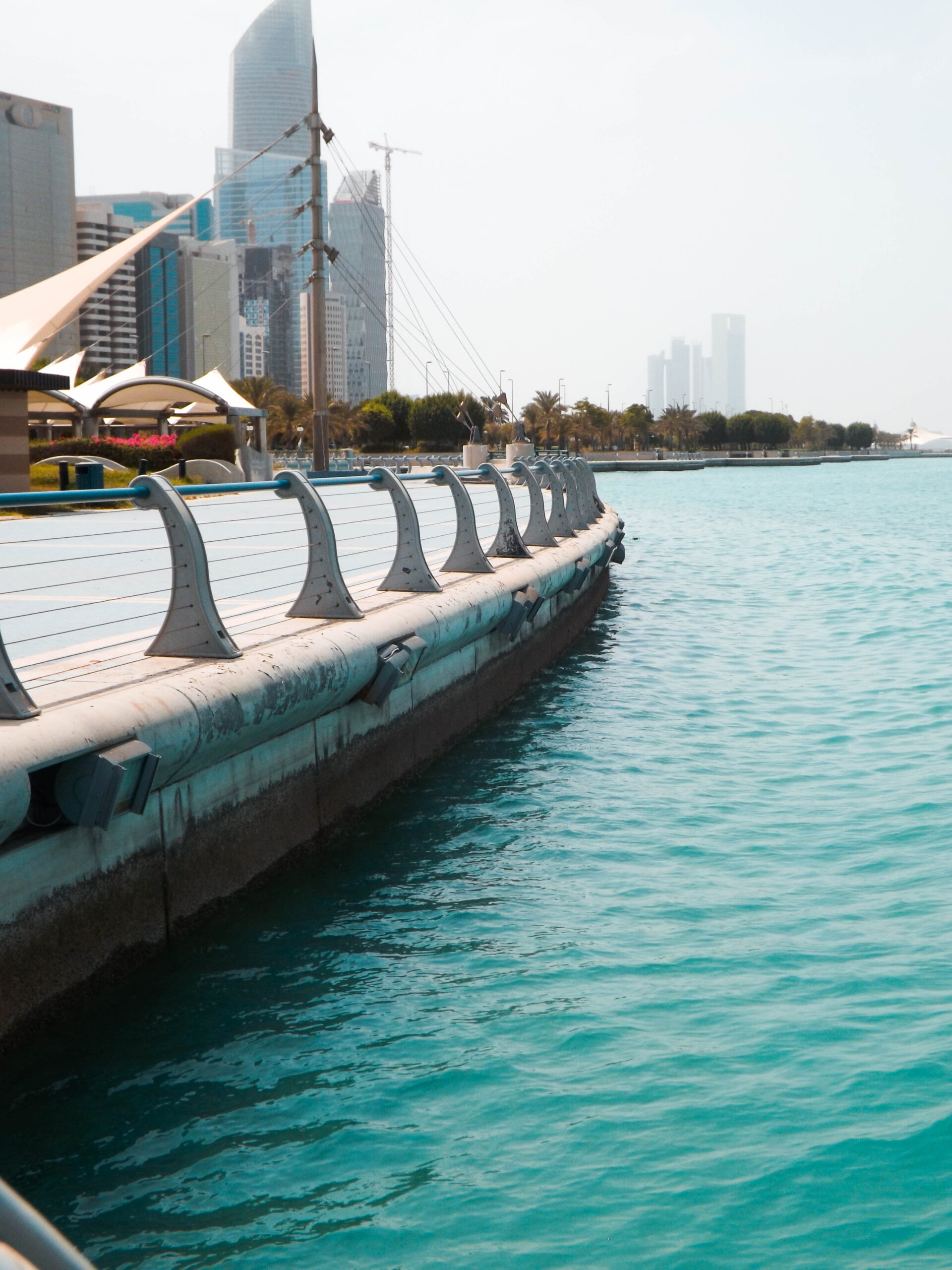
The UAE says missiles were launched toward its territory; Iran categorically denies it. Why attributing a launch is genuinely difficult, why the Emirates is unusually exposed, and what can honestly be said at this stage.
-
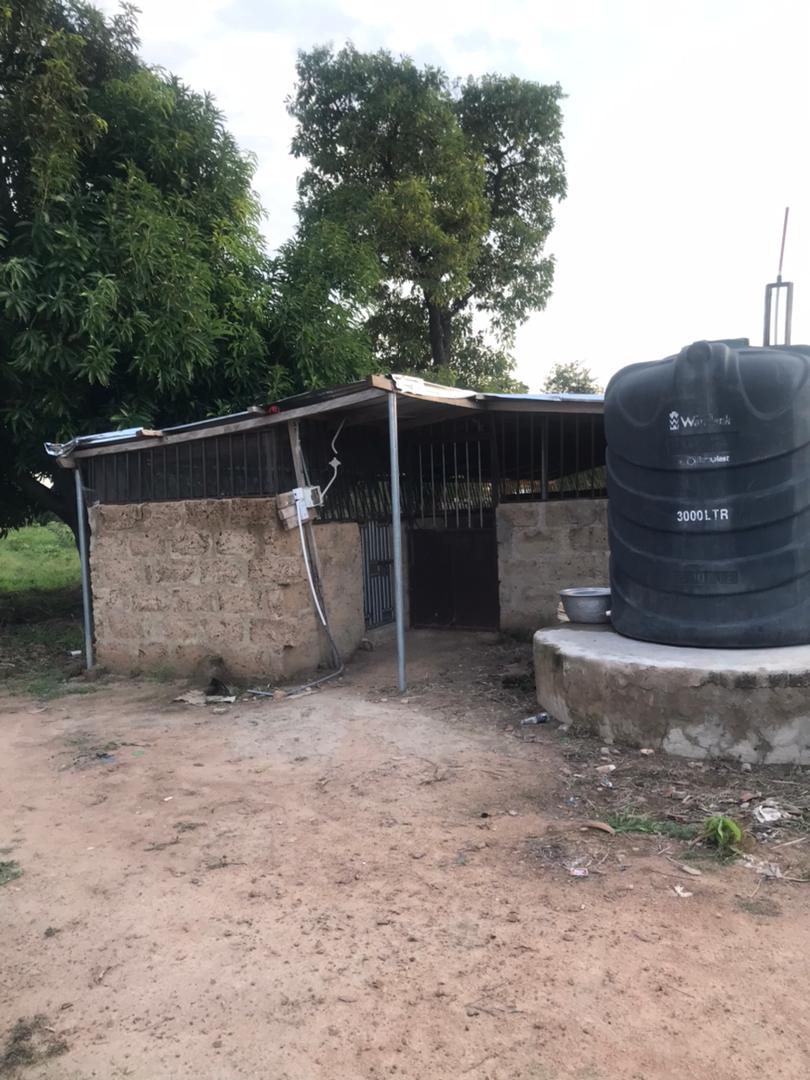
A contested measure on state farm-animal housing laws was left out of the US Farm Bill after the Senate Agriculture Committee did not pass it. What the fight is really about, the case on each side, and the enforcement question underneath it.
-

Lebanon’s parliament has voted to abolish the death penalty, moving the country from abolitionist in practice to abolitionist in law. Why that distinction matters, what happens to existing sentences, and the arguments on both sides.
-
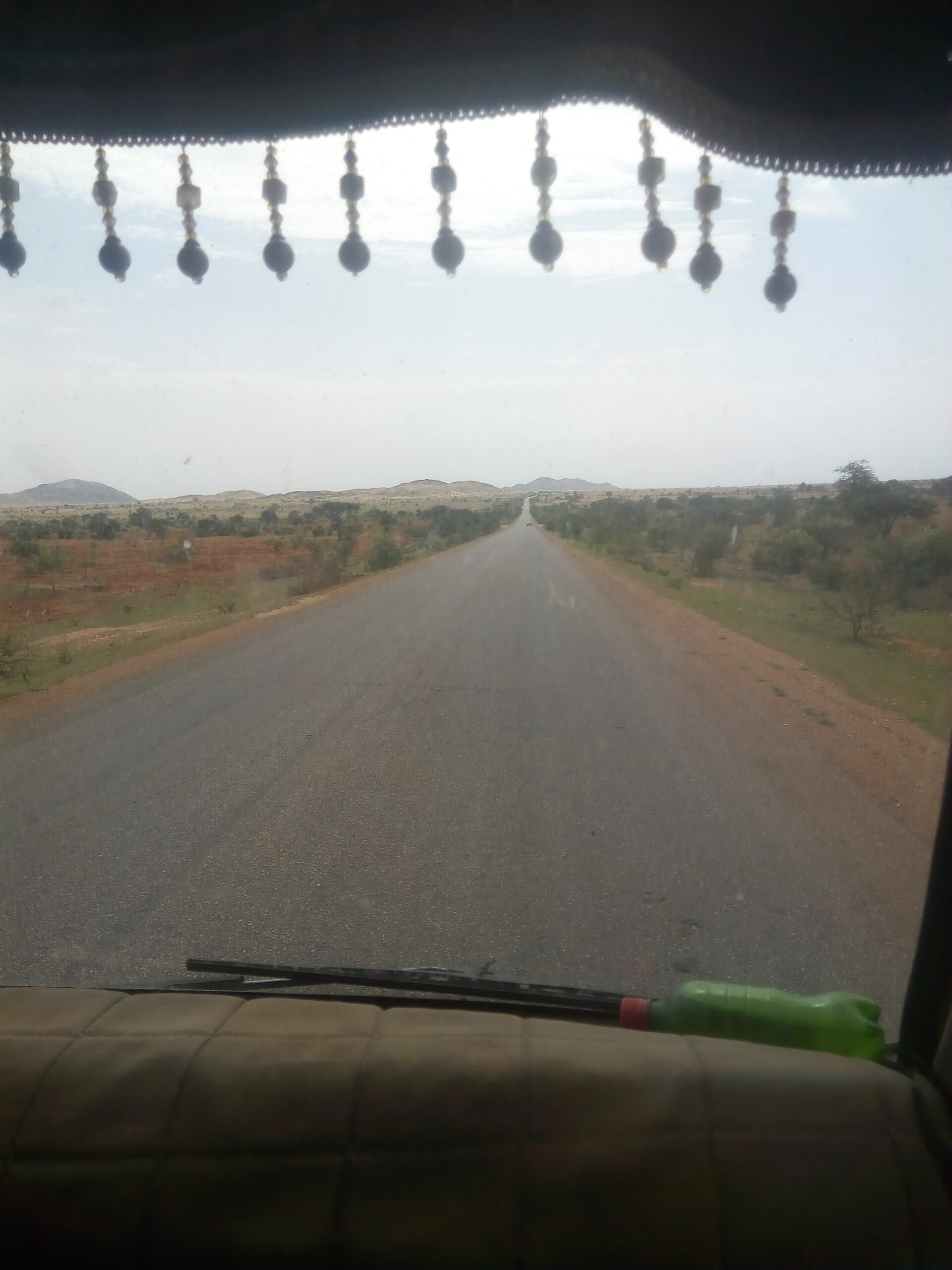
Eight RSF attacks across El Obeid killed two people — a small entry in Sudan’s war, and a large one for a city people had already fled to. Why junction cities are targeted, what repeat displacement costs, and why these days go unreported.
-

A federal appeals court has kept in place an injunction barring immigration enforcement at houses of worship, finding a likely violation of the Religious Freedom Restoration Act. Why the claim belongs to the congregations, not the people being arrested.
-

Odisha has announced a ₹1,000-crore relief package after flooding. What the figure covers and what it does not, why compensation tied to land ownership misses the poorest, and the numbers that would show it worked.
-

Hungary’s new president takes office today, elected by parliament and running unopposed. What a president actually does in a parliamentary republic, which of the limited powers matter, and why an uncontested election is worth reading carefully.
-
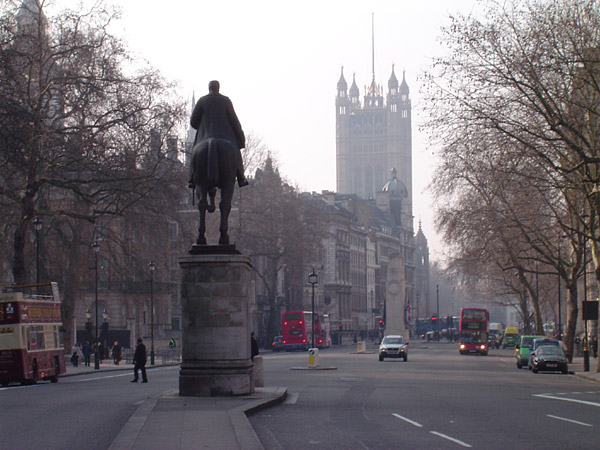
Russia has made new threats against the UK while continuing to strike Ukraine. Why Britain features so heavily in Russian rhetoric, three tests for reading a threat, and the part of the story that is not rhetorical.