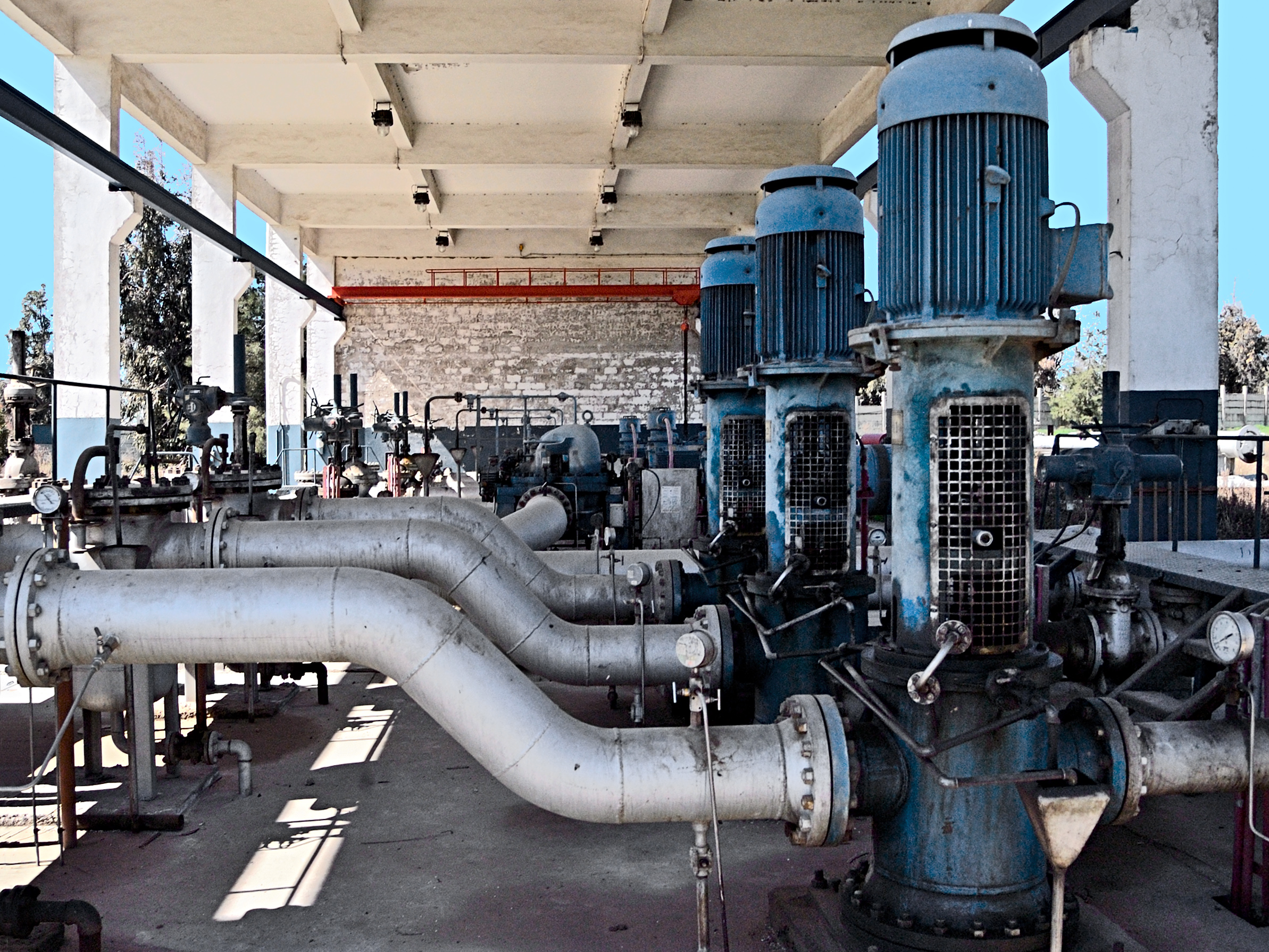
Ukrainian drones struck an oil refinery in the Russian republic of Tatarstan and an oil terminal in Krasnodar Krai overnight, continuing a campaign that has made Russian energy infrastructure the most consistently targeted category of site in this war.
Advertisement — ad space reserved
Two different targets
A refinery and a terminal do different jobs, and hitting them has different effects — a distinction usually lost when both appear in the same sentence.
A refinery converts crude into usable products: petrol, diesel, jet fuel. Damaging one reduces the supply of fuel inside the country, because refined products are what people and armies actually consume. Refineries are also hard to repair quickly. The processing units are specialised, and some of the equipment has historically been imported from countries now operating under export controls.
A terminal moves product out. Damaging one interrupts exports, which hits revenue rather than domestic supply, and terminals are generally easier and faster to bring back into service — tanks and loading arms are more replaceable than a catalytic cracker.
Striking both in one night therefore aims at two separate pressure points: what the country can burn, and what it can sell.
Why the distance matters
Tatarstan sits well over a thousand kilometres from Ukrainian-controlled territory. Reaching it is the point as much as the damage is.
Air defence is finite and has to be allocated. A country that must protect industrial sites across an area the size of Russia cannot concentrate its systems near the front, and every battery moved to cover a refinery in the Volga region is one not covering something else. Long-range strikes impose that dispersal cost whether or not any individual attack causes lasting damage — which is why the strategic effect is often larger than the physical one.
Advertisement — ad space reserved
The awkward economics
There is a counterintuitive result that analysts of this campaign keep returning to. Damaging refineries can increase a country’s crude oil exports rather than reduce them, because crude that cannot be processed at home is available to sell abroad. And by tightening global supply of refined products, such strikes can raise prices — which partially offsets the revenue lost.
In other words, the pressure is real but not simple, and headline claims that a strike has “cut Russia’s oil revenue” should be treated with caution unless someone has actually done the arithmetic. The domestic fuel effect is the more reliable one: shortages and queues in Russian regions have been reported through previous rounds of this campaign.
We set out this mechanism in more detail in our explainer on why refineries rather than oil fields are the target.
The legal question, stated carefully
Energy infrastructure occupies contested ground in the law of armed conflict. A refinery supplying military fuel is a plausible military objective; the same refinery supplies civilian heating and transport. This is the classic dual-use problem, and it is not resolved by asserting either that all such strikes are legitimate or that all are unlawful.
What the law requires is an assessment of proportionality in each case — whether expected civilian harm is excessive relative to the concrete military advantage anticipated. That is a case-by-case judgement, made on information neither we nor most readers have, and it applies with equal force to strikes in both directions.
The same night these facilities were hit, an attack on Kyiv killed at least twelve people and damaged a children’s hospital — reported here.
Sources
Advertisement — ad space reserved
Leave a Reply