Category: Politics
-
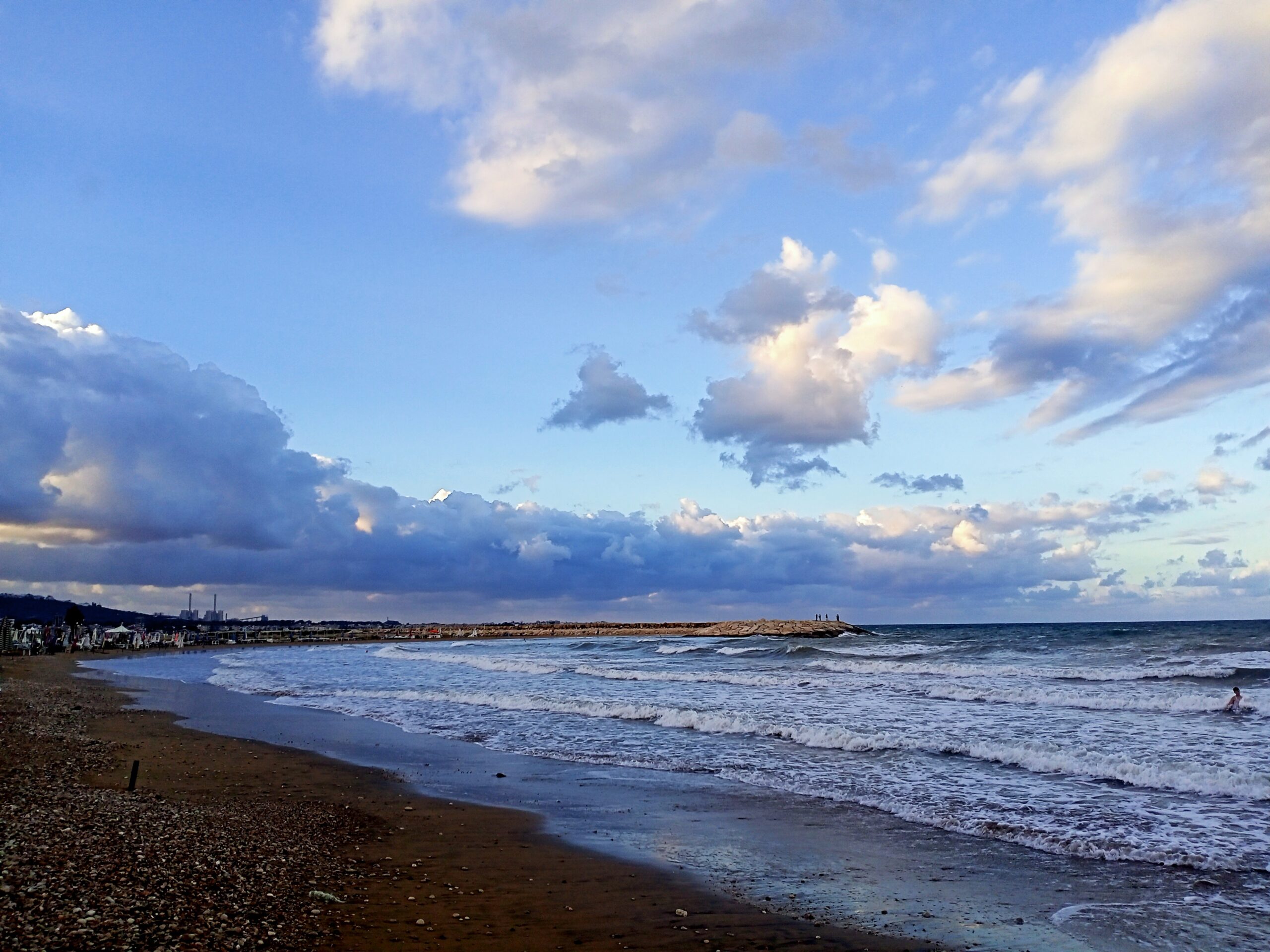
Russia’s bases on the Syrian coast are becoming “joint training centres”. Why that coastline matters to Moscow, and how to tell a real change from a relabelling.
-
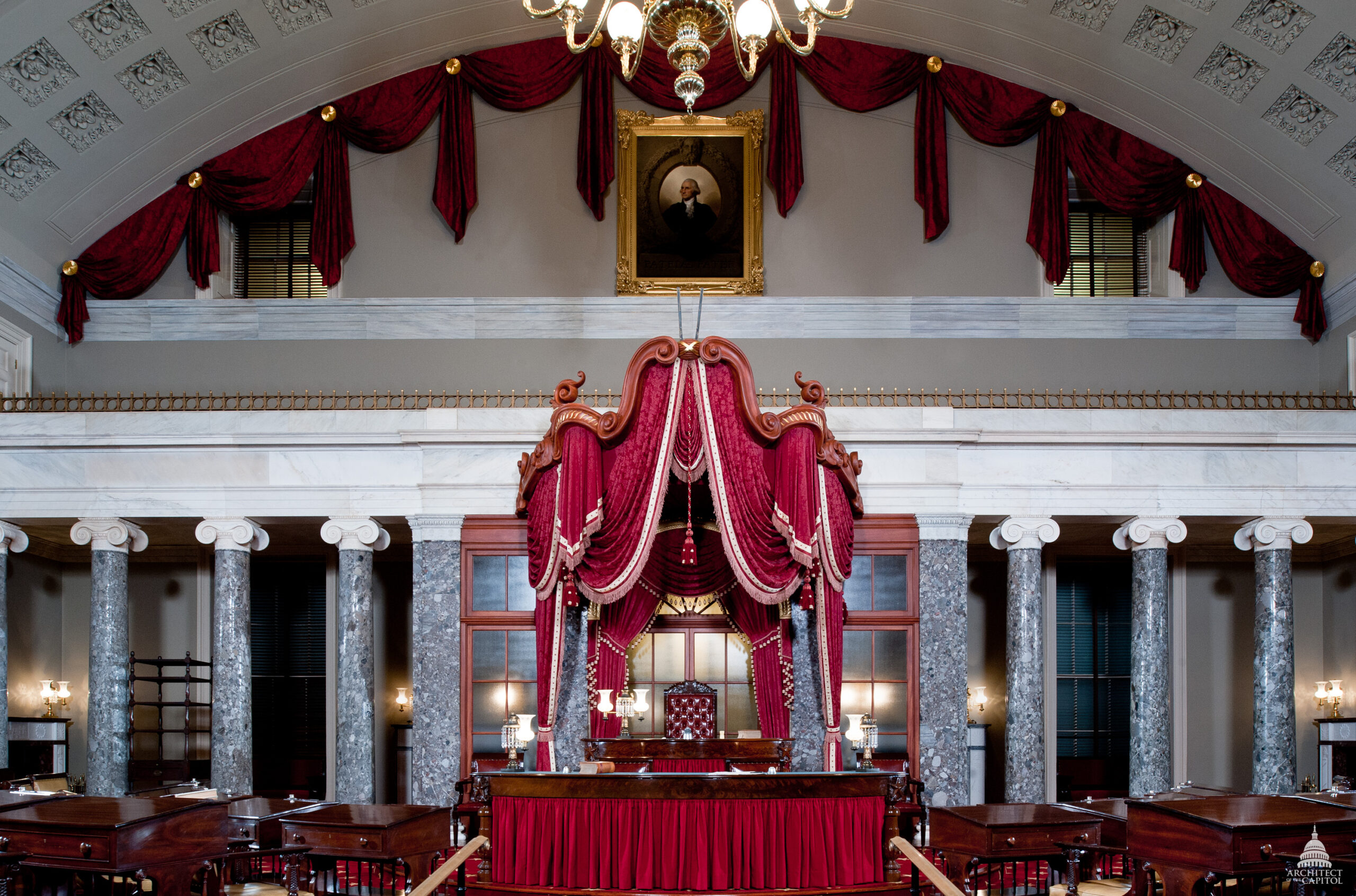
The US Senate has passed a sweeping sanctions bill 86–11, targeting Russian officials, banks and the shadow fleet, and authorising tariffs on countries that buy Russian oil.
-

The Senate has blocked a rule giving the White House more control over federally funded research. What a “rule” is, and the real argument about who decides what gets studied.
-
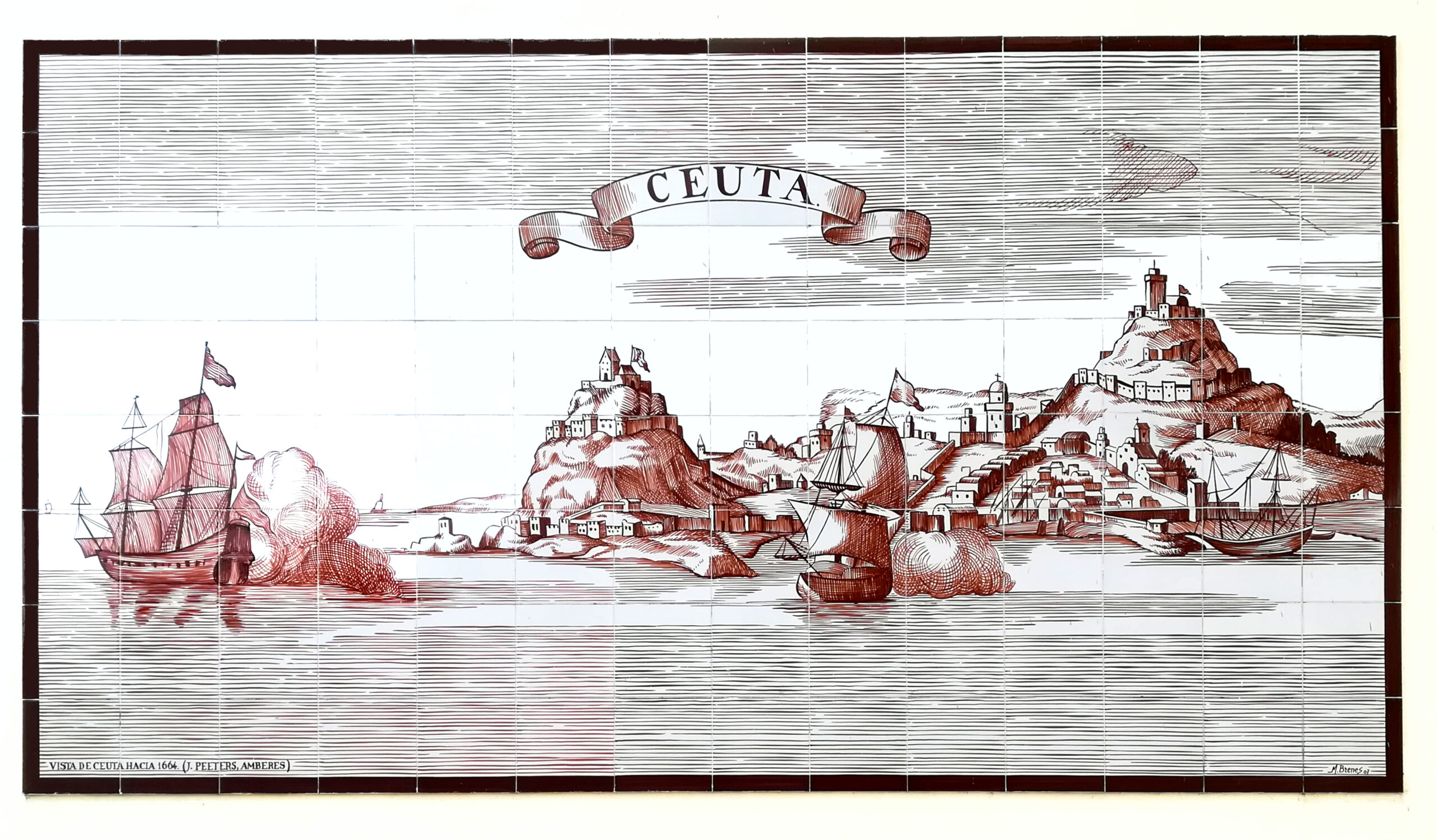
Spain and Italy have imposed border checks on each other’s travellers after the mass arrival of migrants in Ceuta — inside a zone built to abolish exactly those checks.
-
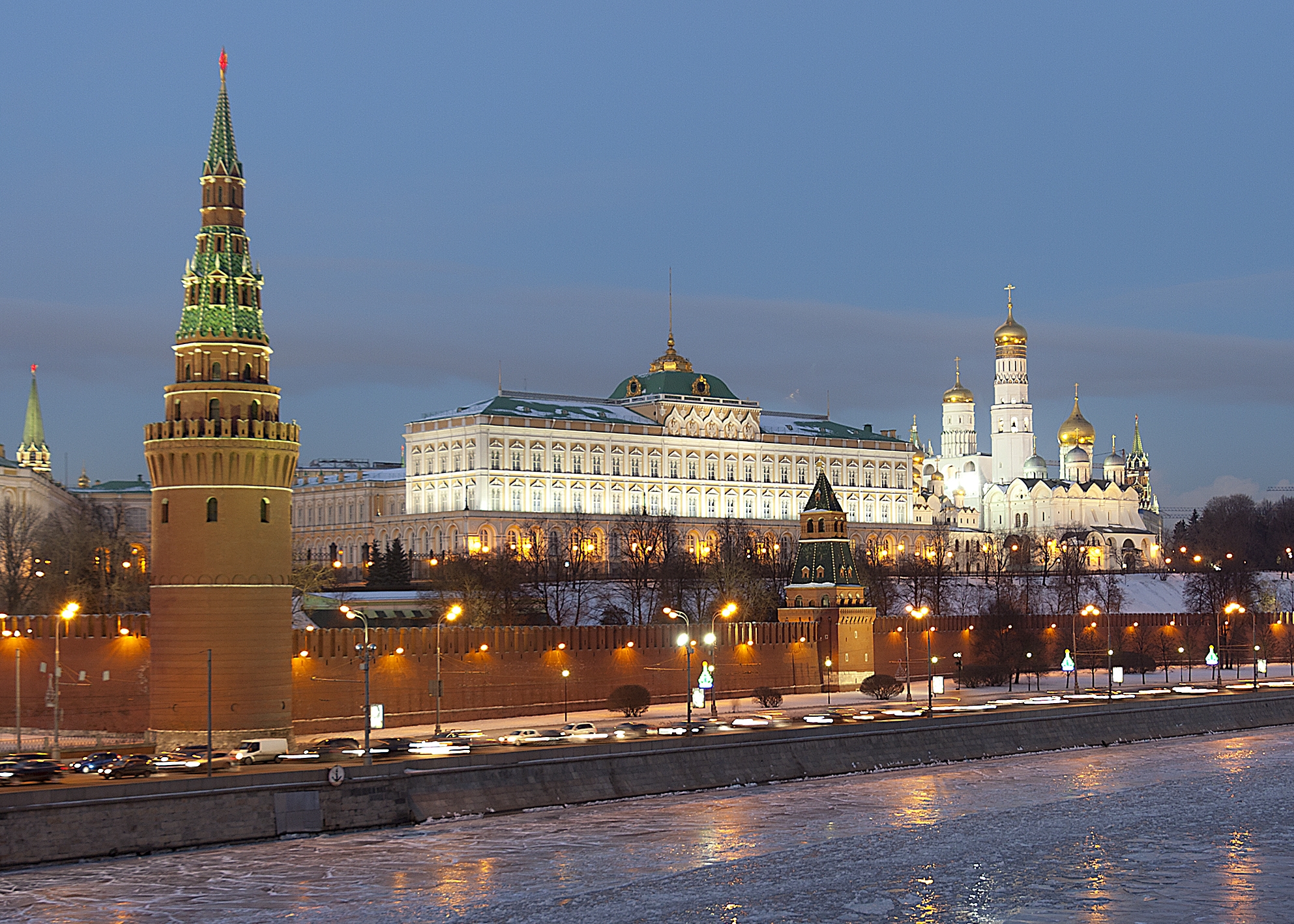
Boris Nadezhdin, the politician who tried to run against Putin on an anti-war platform in 2024, says he has left Russia. Who he is, why his campaign mattered, and what his exit removes.
-
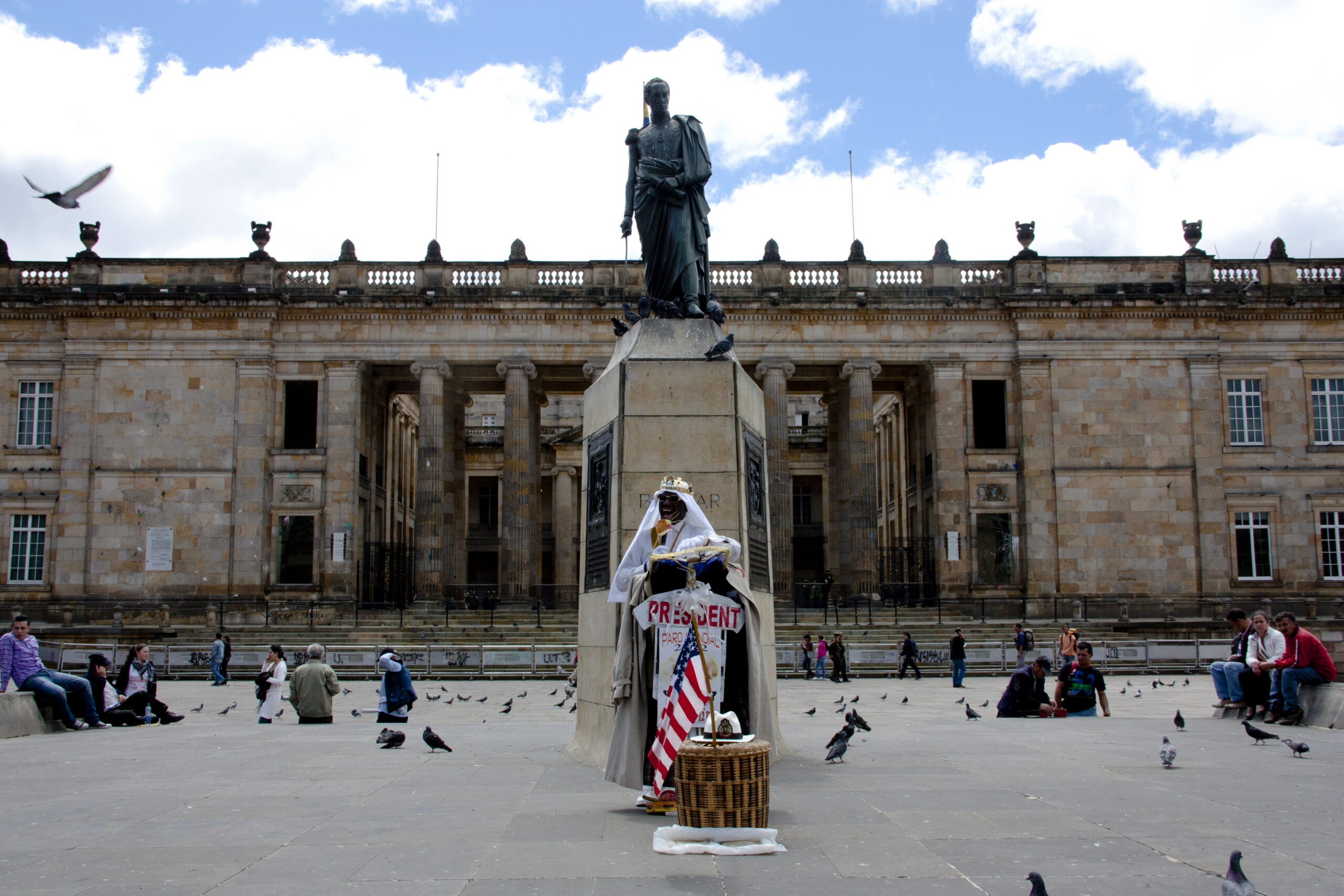
Abelardo de la Espriella was sworn in as Colombia’s president outside Bogotá, breaking a century-old tradition. Why the setting of an inauguration is itself a political message.
-
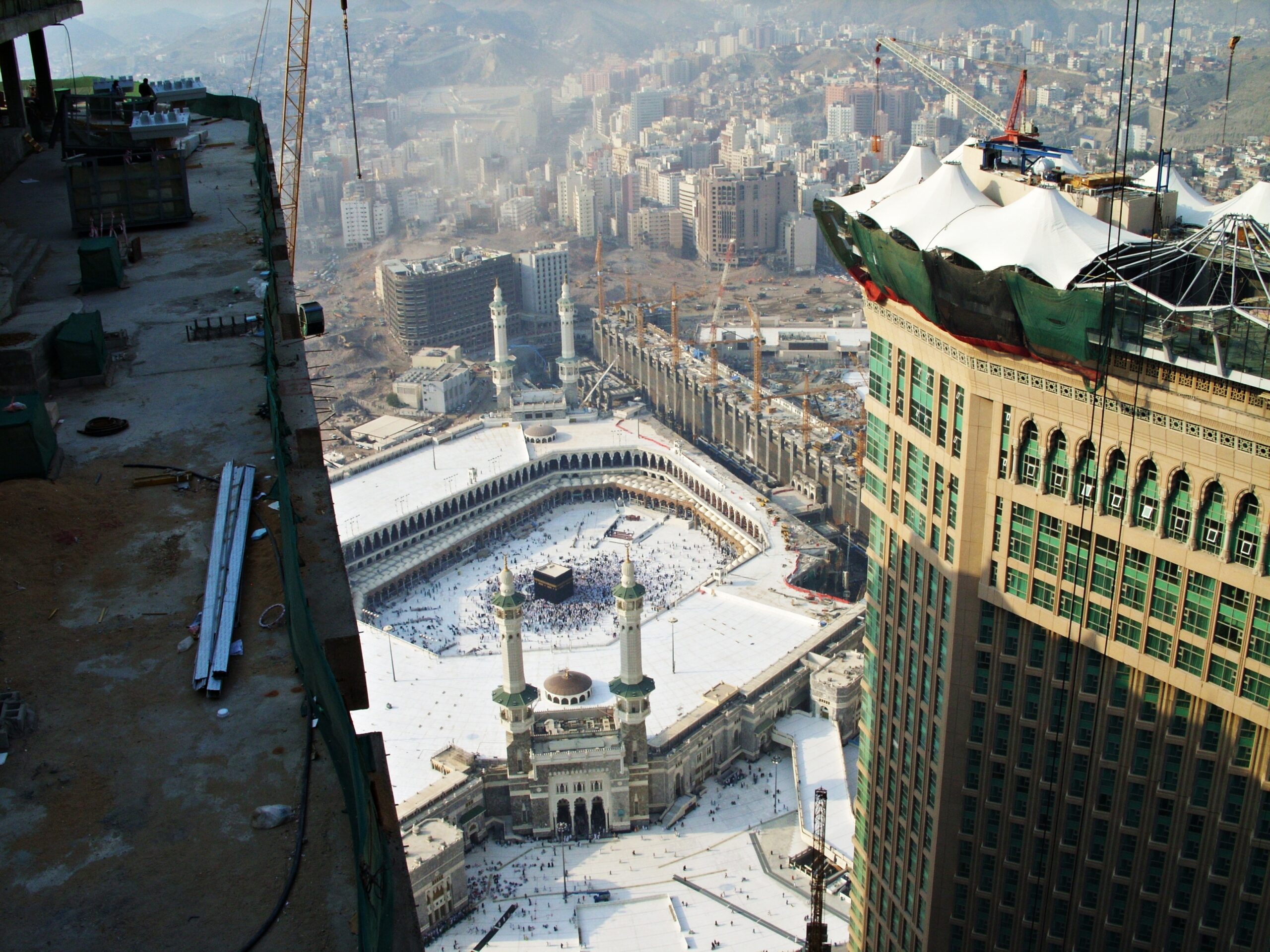
Türkiye, Saudi Arabia and Pakistan signed the Makkah Joint Defense Agreement, declaring an attack on one an attack on all. What collective defence means, why these three, and why the timing matters.
-

The FCC voted 2–1 to scrap the national TV ownership cap. What the cap was, why it existed, and the honest case on both sides of letting broadcasters get bigger.
-
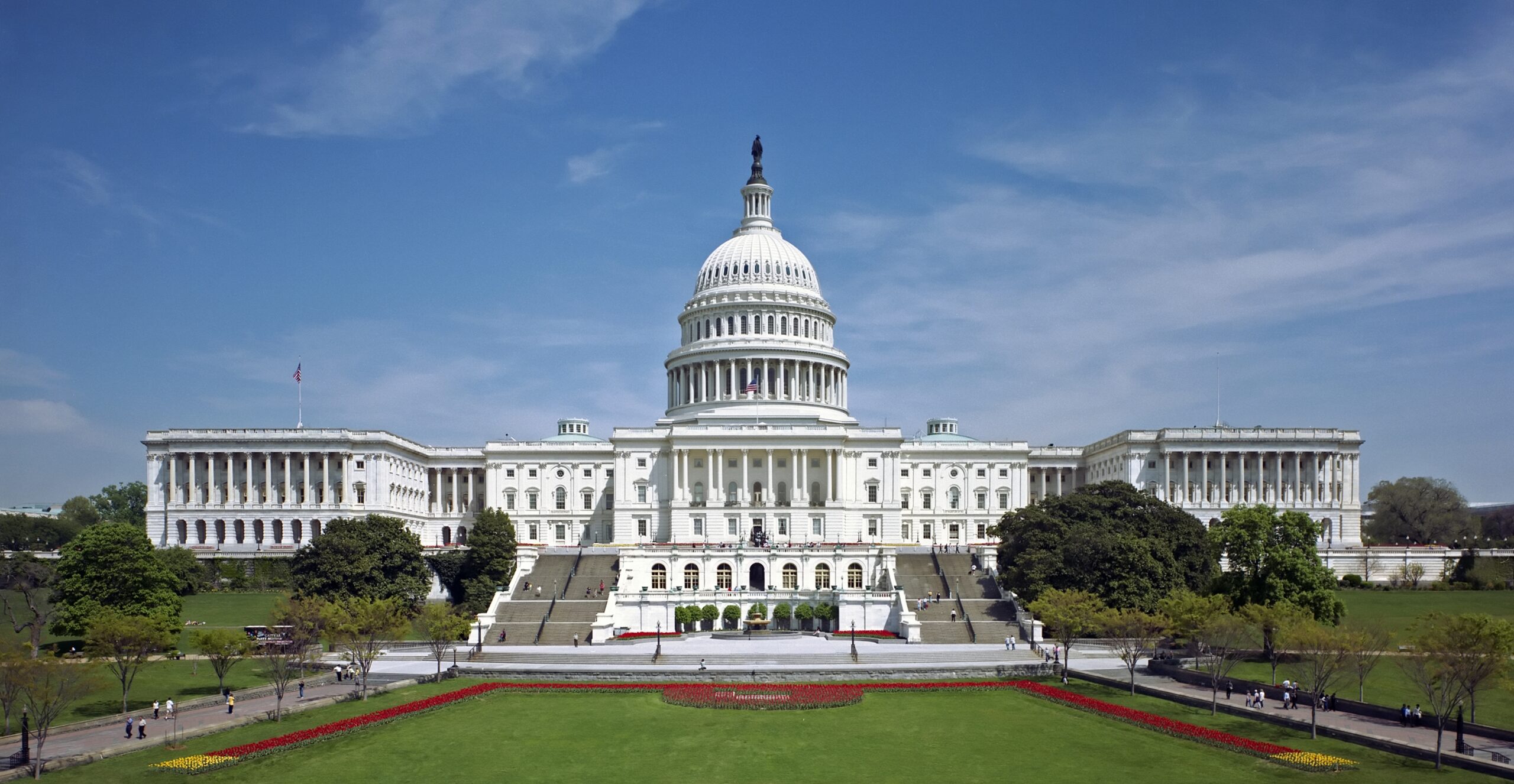
Abdul El-Sayed won a Michigan primary with a message against “the politics of hatred”. What a primary actually is, and why these results are read as a signal ahead of the US midterms.
-

The administration wants to scrap hundreds of rules governing Head Start, saying it will save $2.2 billion and reach 236,000 more children. Supporters call it efficiency; critics call it dismantling. Both arguments, plainly.