Category: Middle East
-
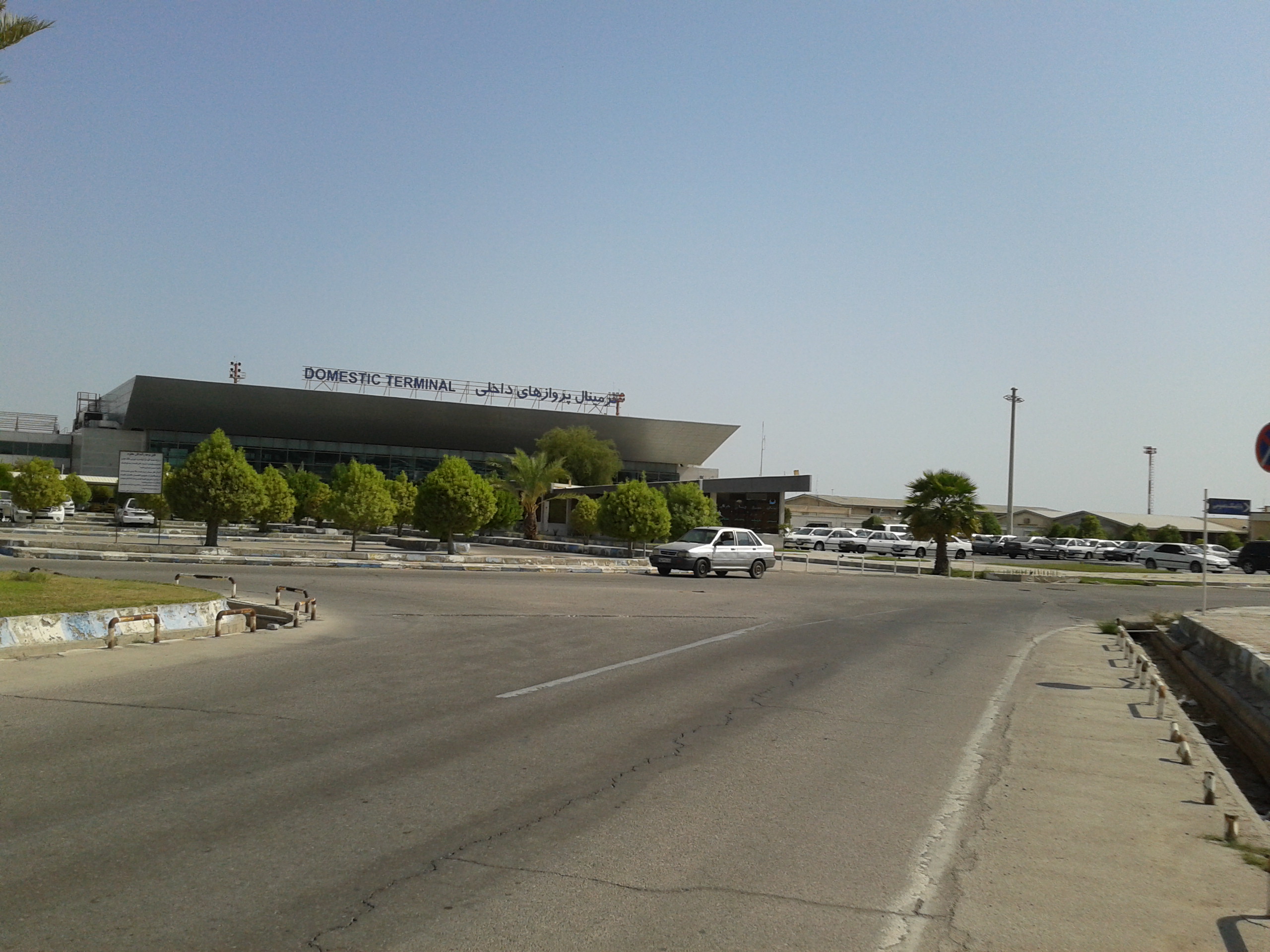
Mediators have asked Tehran to set out what it wants in exchange for reopening the Strait of Hormuz, and Iran says it is drawing up the list. President Trump says the United States is not talking to Iran at all.
-
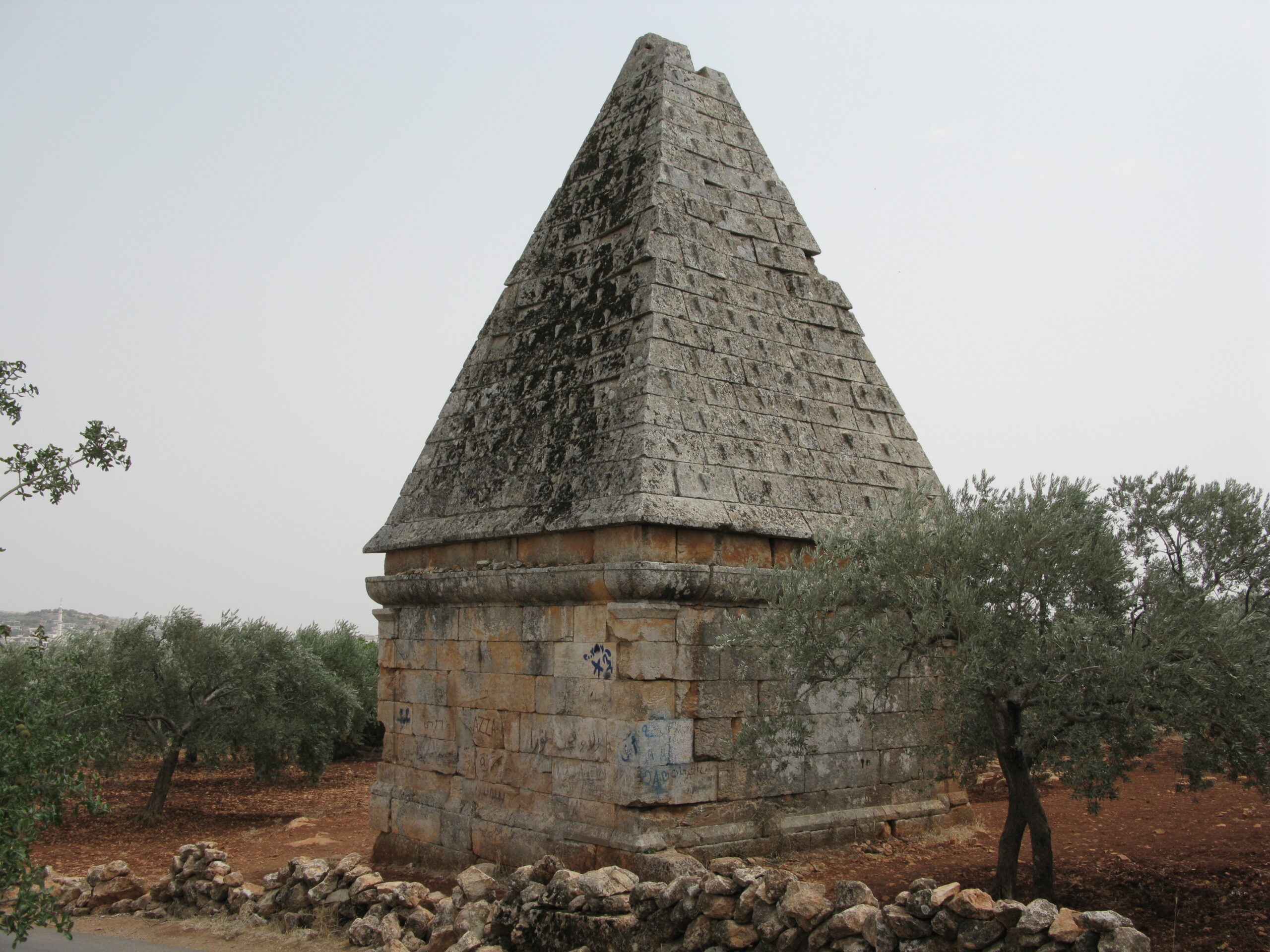
Eight Israeli strikes cratered the runway at Abu al-Duhur in Idlib province. Israel said it was stopping a Turkish deployment. The United States called it an unnecessary escalation, and is still pressing both sides to step back.
-

The IAEA cannot compel entry, impose sanctions or close a facility. It counts material, seals equipment and takes swipe samples — and only where a state has agreed to let it. What safeguards actually involve, and what happens when an inspected site is bombed.
-

The White House says Iranian inflation is above 100 per cent and the state cannot pay its police. Neither figure is attributed to any index or source, and wartime disruption makes Iranian price data unusually hard to verify. What can and cannot be established.
-
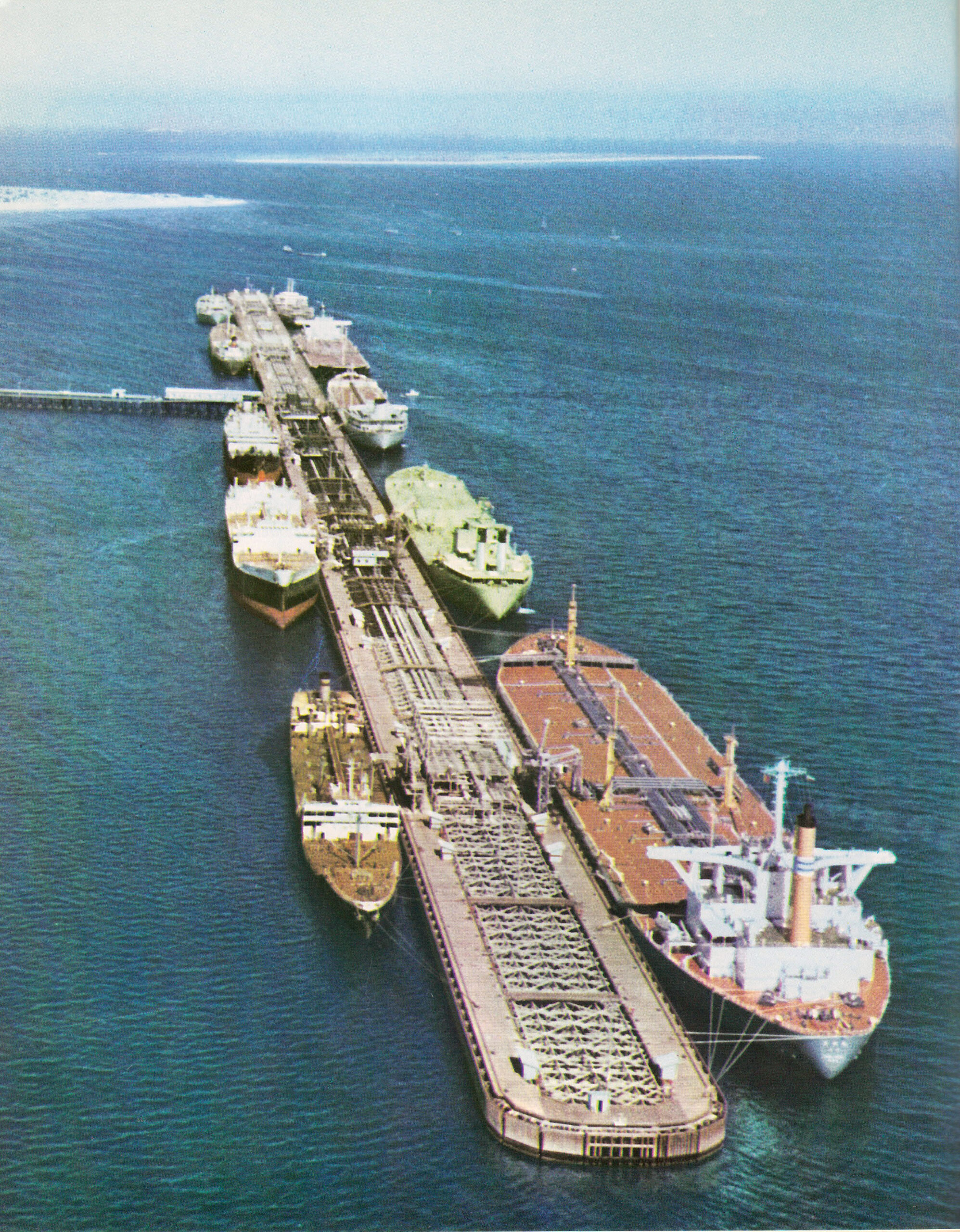
A tanker was hit by an unknown projectile in the Strait of Hormuz on Thursday. Iran and Oman are close to a deal on a temporary corridor. The United States, which is enforcing the strait militarily, says it is not part of the talks.
-

Oil through the Bab el-Mandeb collapsed to 4.1 million barrels a day in 2024, then doubled to 8.1 million this year as Saudi crude was rerouted away from Hormuz. The escape route from one chokepoint runs straight through another.
-
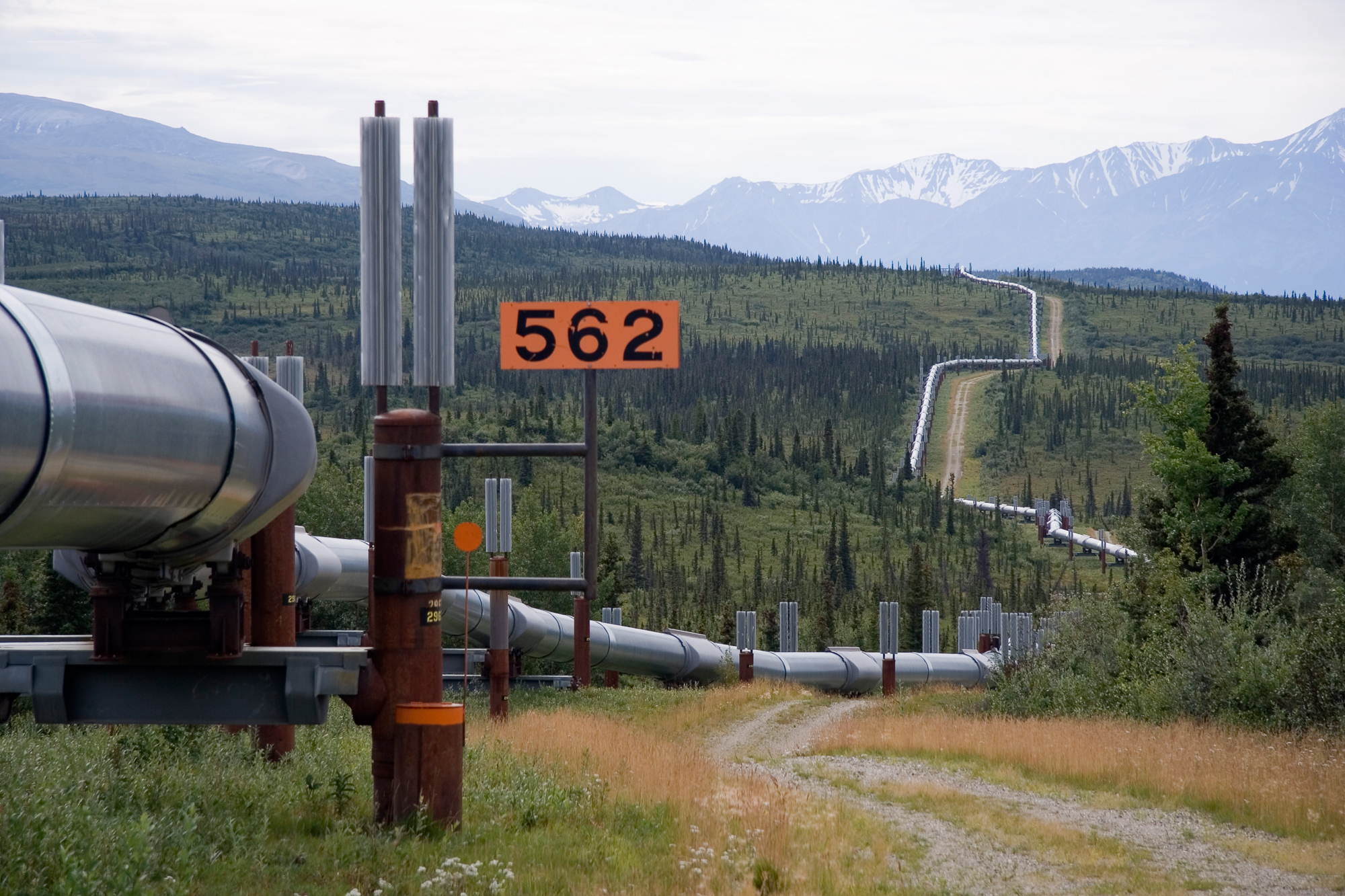
About 5 million barrels a day are moving through the Strait of Hormuz, against more than 20 million before the war. Where the missing barrels went, why Japan is backing pipelines that bypass the strait, and why the price shock was smaller than the volume loss.
-

Navies do not declare water free of mines — they declare a probability that one remains. Sweeping versus hunting, why bottom mines sink out of sonar range, why ship-count fuses defeat clearance operations, and why the number to watch is the insurance premium.
-

The president said the US Navy had cleared all mines from the Strait of Hormuz. The next day, Iran and Oman agreed a joint project to clear the strait of mines. Both statements can stand — but only because of where the shipping lanes actually run.
-
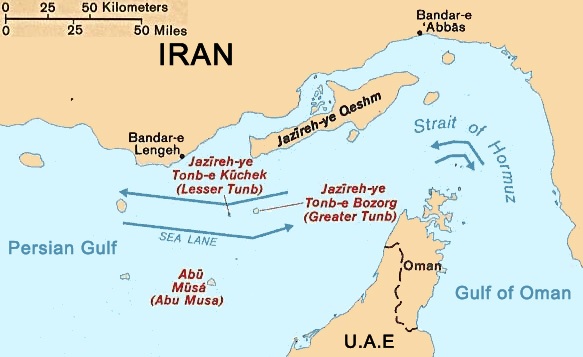
Iran and Oman have proposed a temporary shipping corridor through the Strait of Hormuz and a joint mine-clearing project — the clearest step yet towards reopening. Hours later, Tehran said the strait stays shut until Washington ends the war. Both things are true.