Category: Middle East
-

Sixty people were killed in a single day of fighting in south-west Yemen, including six civilians on a bus in Taiz. The offensive is moving toward Bab al-Mandab, and almost nobody is reporting it.
-

A Hezbollah drone was launched and shot down, injuring no one. The Israeli strikes that followed killed three people in southern Lebanon and wounded more than twenty. Both sides say they remain committed to the ceasefire.
-

Blasts were heard near Kharg Island this morning. One Iranian agency says the origin is unknown and no smoke was visible; another says the US hit a tanker. Nobody has confirmed anything — which is the story worth understanding.
-
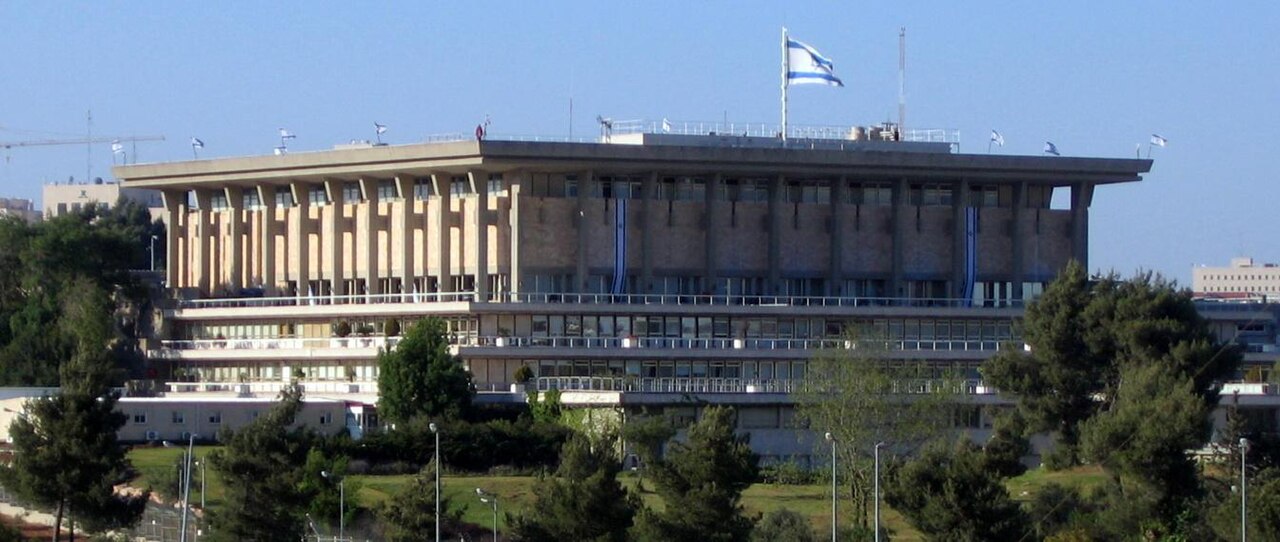
Israel’s national security minister has set out a timetable for removing the population of Gaza and called for a government ministry to carry it out. He does not have the authority to do it. The reason to report it is what the numbers concede.
-

Washington says talks require Iran to stop attacking ships. Tehran says it will stop when the strikes stop. Each is asking the other to surrender its only leverage first, and calling that a precondition.
-

Two Filipino seafarers were killed when an Iranian attack struck a Saudi-owned tanker. They had no stake in the war. A quarter of the world’s merchant crews are Filipino, and nothing in the system produces a finding when one of them is killed.
-
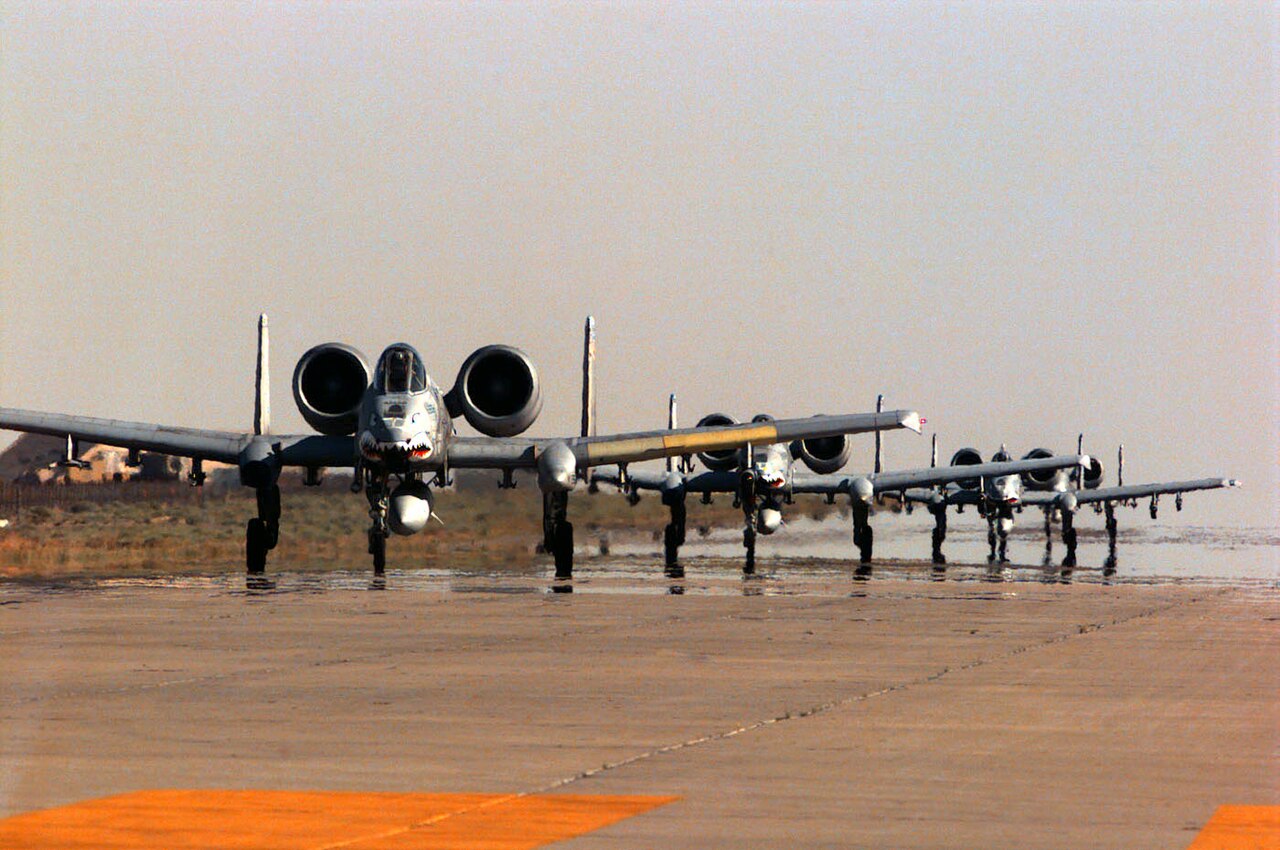
Iran says it struck US bases in Kuwait and the UAE overnight; Jordan says it intercepted ten of thirteen missiles. Nobody was killed. The exchanges have settled into a pattern that depends on interceptors working every time.
-

Iran says it struck US bases in Kuwait and the UAE, and puts the civilian toll from Tuesday’s American strikes at 18 dead. The Iranian Red Crescent has asked the ICC to act over a strike on a wedding in Sirik. Here is what the court can actually do.
-

While coverage of the Middle East follows Iran, Hormuz and the Houthis, conflict monitors are recording something quieter: jihadist groups adapting to the space that has opened in southern Yemen and northeastern Syria.
-
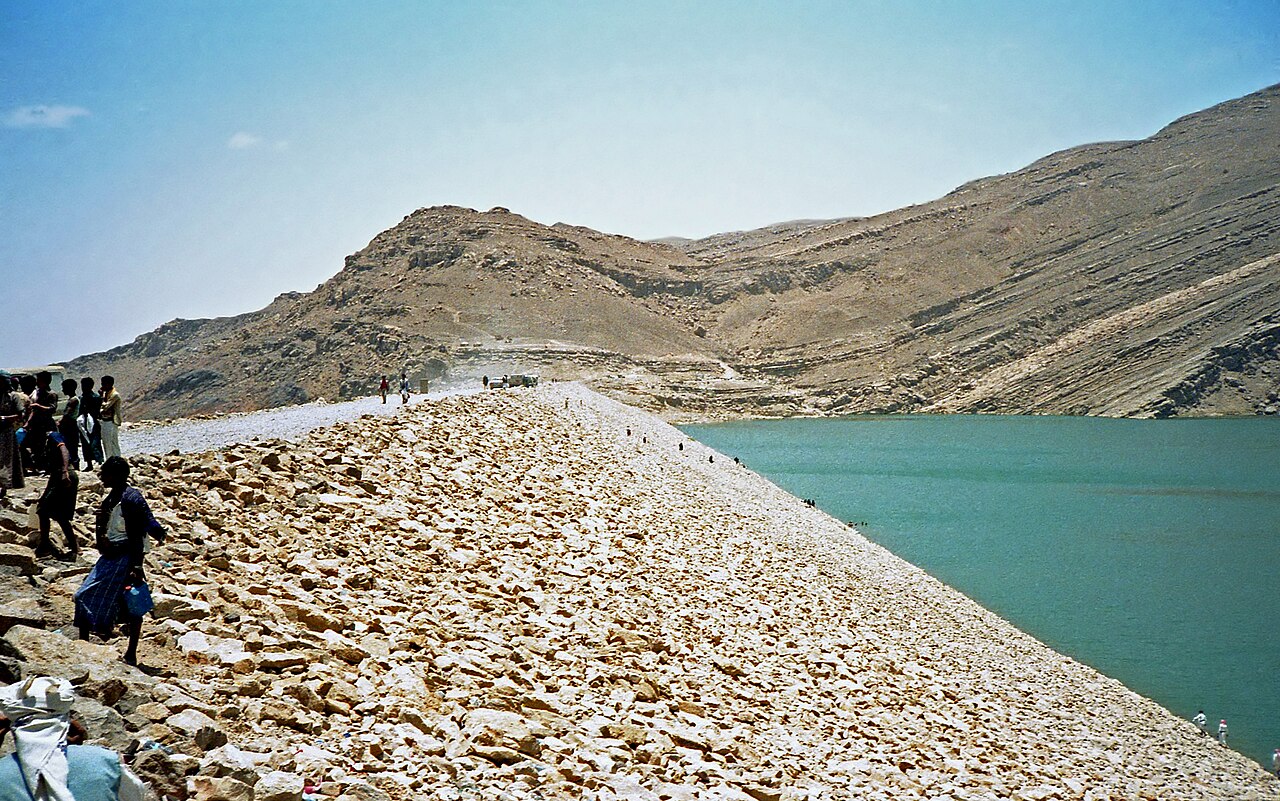
Seventy-three UN staff are being held by the Houthis, and a May agreement to release more than 1,600 conflict-related detainees has stalled. Coverage of Yemen follows the missiles, which is how the slower failures go unrecorded.