Category: Asia
-

Drought cuts the harvest and expensive fuel makes importing the shortfall costlier — each shock removes the other’s remedy. Rice is unusually exposed, because so little of world production is actually traded.
-

Data centres and prolonged heat are both pushing Malaysian electricity demand up, and they compound: hot air makes cooling systems work harder, so server halls and household air conditioners peak on the same afternoons.
-

Cambodia has signed the agreement for the Funan Techo water project. It is about sovereignty for one country and rice yields for another, and the treaty governing the Mekong has no mechanism to settle which reading wins.
-

Indonesia plans $600m to open bank accounts for 200 million people — about three dollars each. Opening accounts is the easy part. Elsewhere, huge inclusion drives have produced tens of millions of accounts that were never used.
-

Vietnam is planning a campaign urging families to have two children — the same number it once restricted them to. The evidence on whether such campaigns work is not encouraging, and the country faces growing old before it grows rich.
-
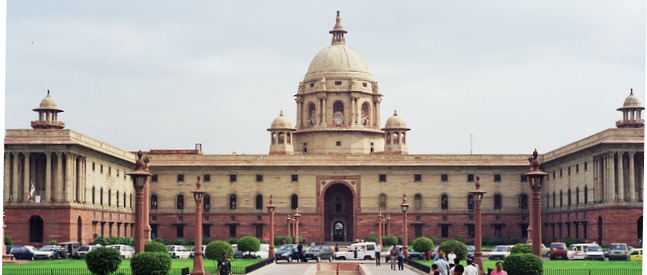
New Delhi is lit up ahead of a BRICS summit. The grouping has no treaty, no tariff, no defence commitment and a name invented by an investment bank. What actually holds it together, and the two competing readings of whether it matters.
-

Russia and North Korea have opened their first road bridge, across a seventeen-kilometre border that until now had only a Soviet-era railway. Road traffic is flexible and hard to count from orbit — and bridges are not built for arrangements anyone expects to end.
-

Japan has eased pressure on companies to keep monthly overtime under 45 hours, citing labour shortages. It reverses a decade of policy built after the karoshi scandals — and it is the fastest of the options a shrinking workforce leaves open.
-

Ten days after Nepal’s floods, searches continue for hydropower workers feared trapped in tunnels, and rebuilding is estimated at $5 billion. Coverage peaks in the first days and falls away; need runs the other way.
-
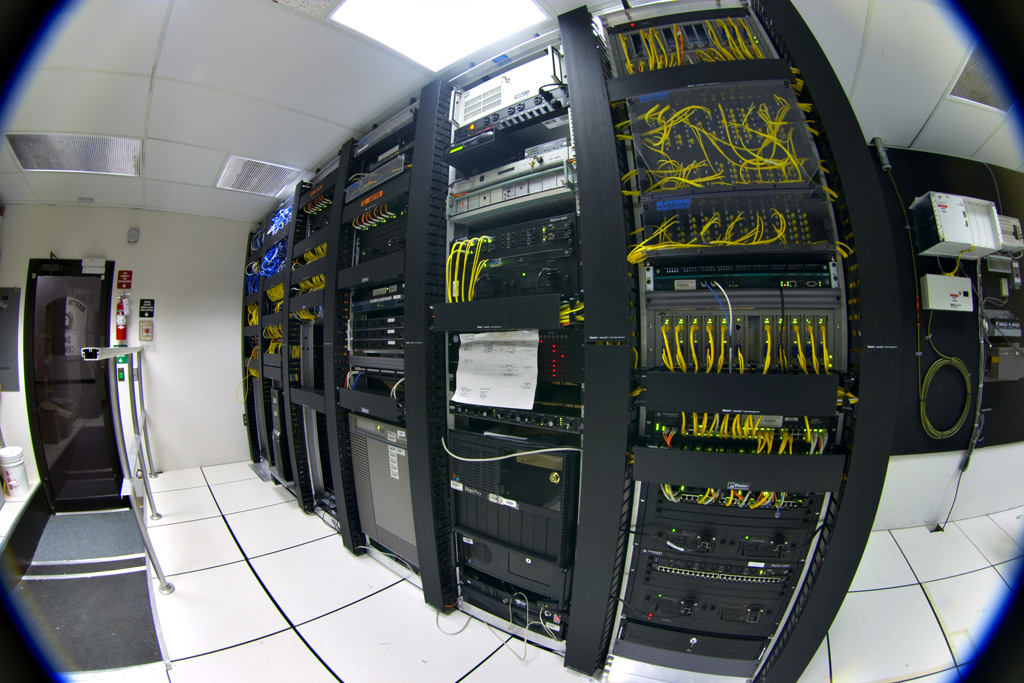
Beijing plans to raise national AI computing capacity from about 2,185 exaflops to 9,800 by 2030. The target treats AI as infrastructure rather than software — a bet that the binding constraint is physical. It says nothing about where the electricity comes from.