Category: Humanitarian
-
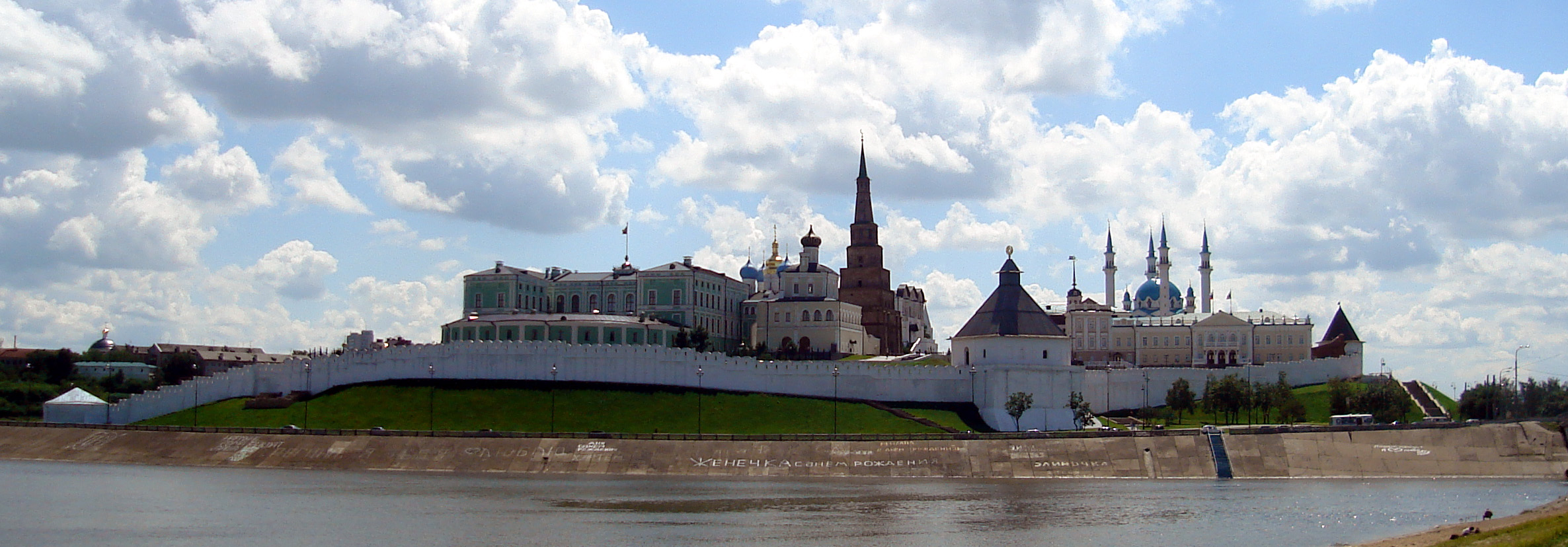
Thirteen people, including a child, were killed in a Ukrainian drone attack on a refinery in Tatarstan. Why refineries are targeted, what “dual-use” means, and why we count all the dead.
-
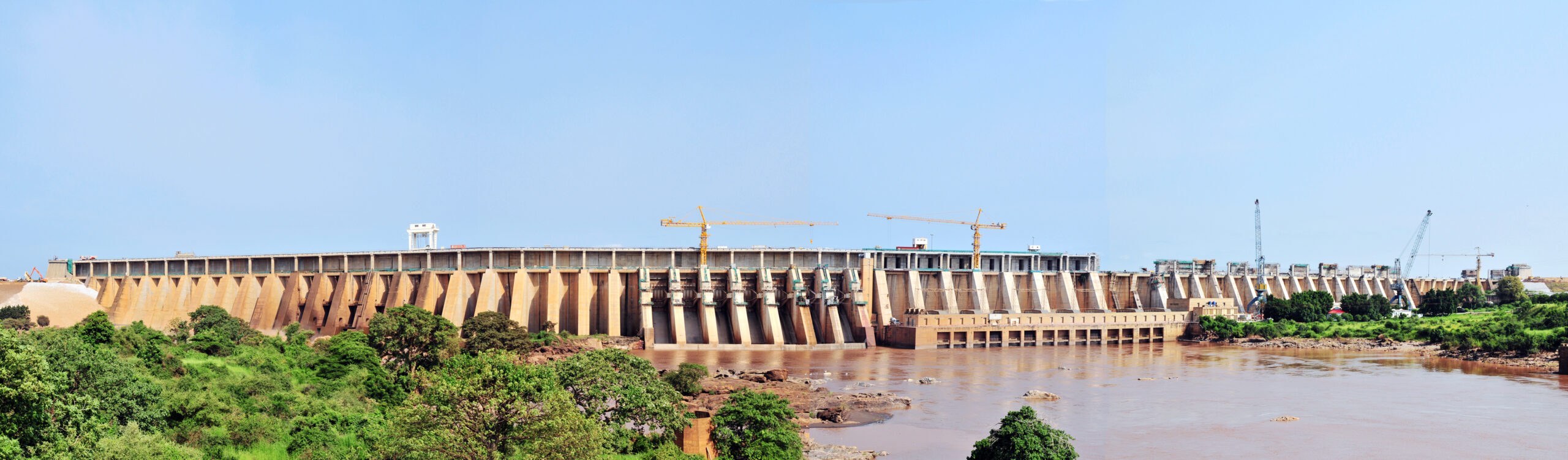
Mass graves of 25 civilians reported executed by the RSF have been found in Kurmuk, Blue Nile. Why “executed” is a specific legal word, and what happens to evidence in a closed war.
-
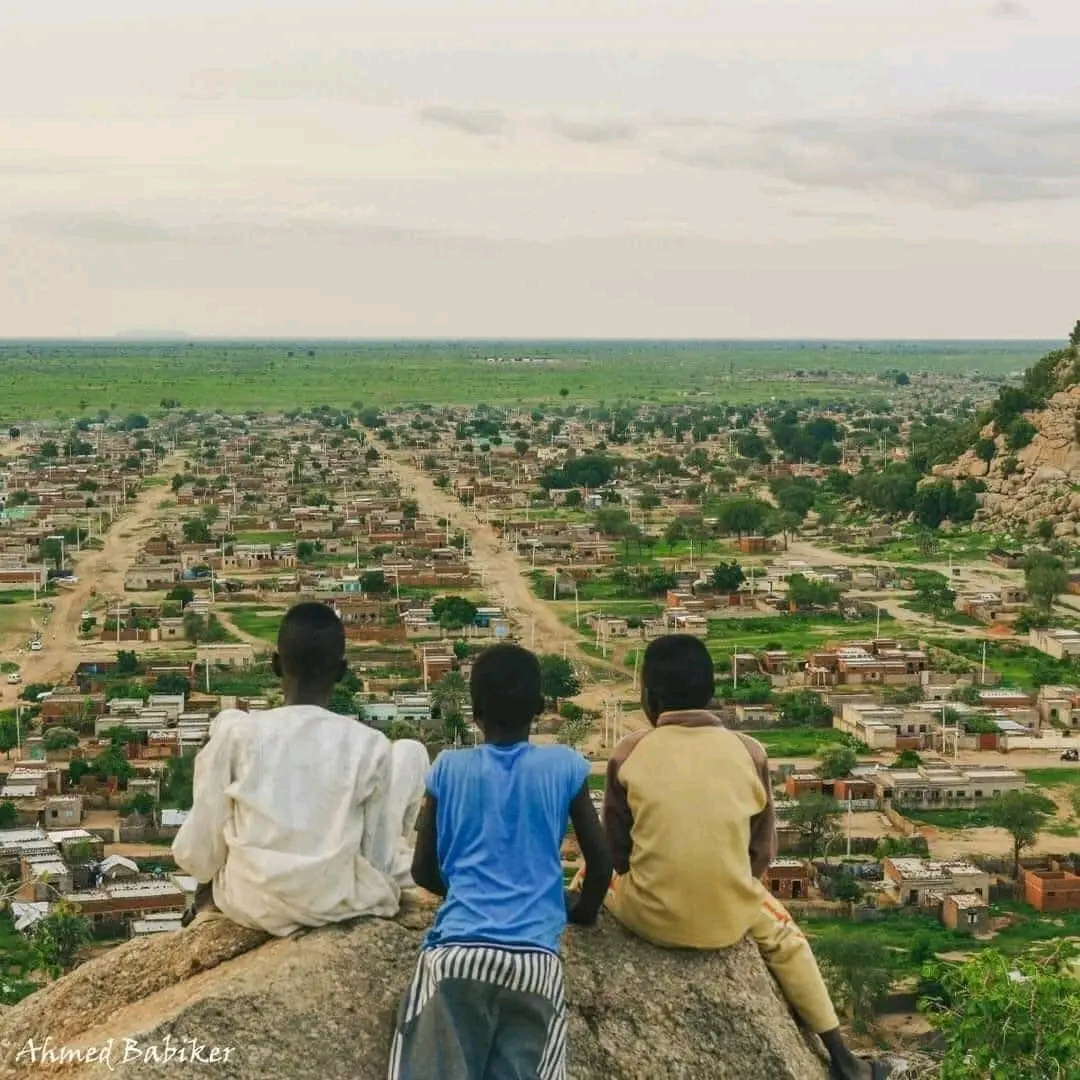
Sudan’s army says it repelled an RSF drone attack on Dilling in South Kordofan. Who is fighting whom, why these towns matter for aid, and how to read claims from a closed war.
-

Protesters have blocked the Port Sudan–Khartoum highway over power cuts during a heatwave. Why losing electricity in extreme heat is a threat to life, not an inconvenience.
-
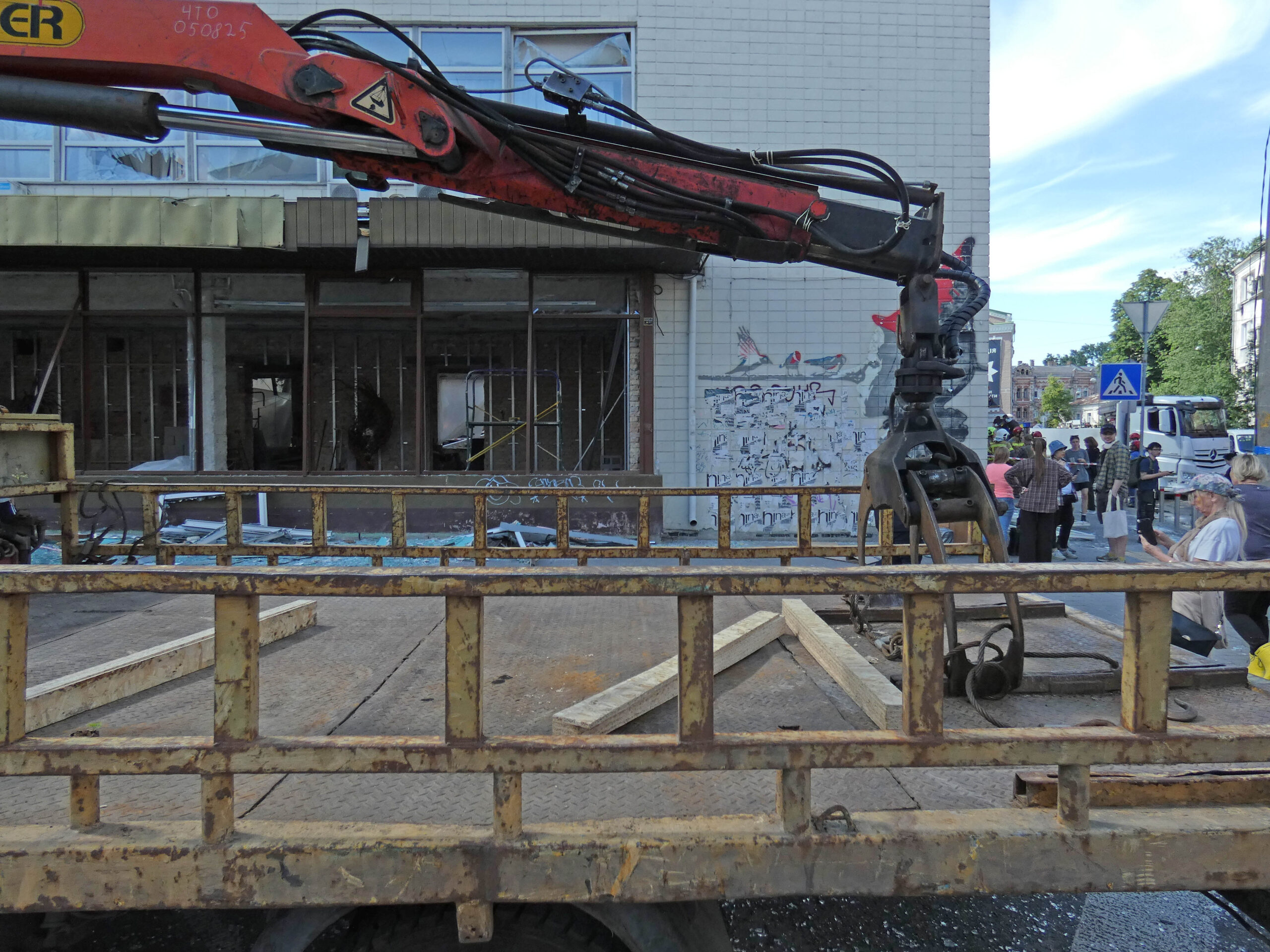
A three-year-old boy and his grandparents were killed by a drone strike in Ukraine. Why casualty lists in this war fall so heavily on the very young and the elderly.
-
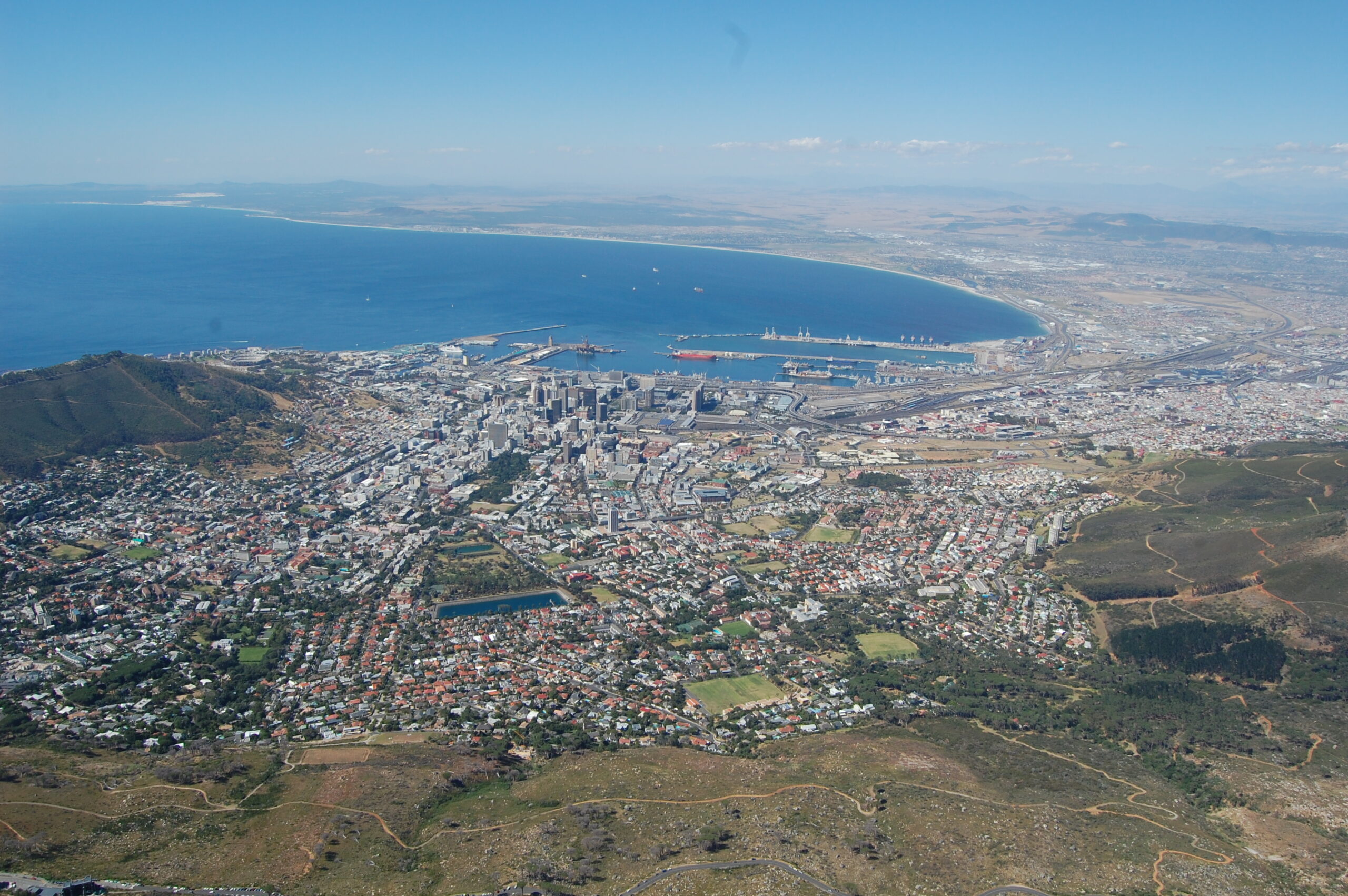
More than 170 people murdered in South Africa’s Western Cape in two weeks. Why the violence is so concentrated, what makes it resistant to crackdowns, and why it rarely leads world bulletins.
-
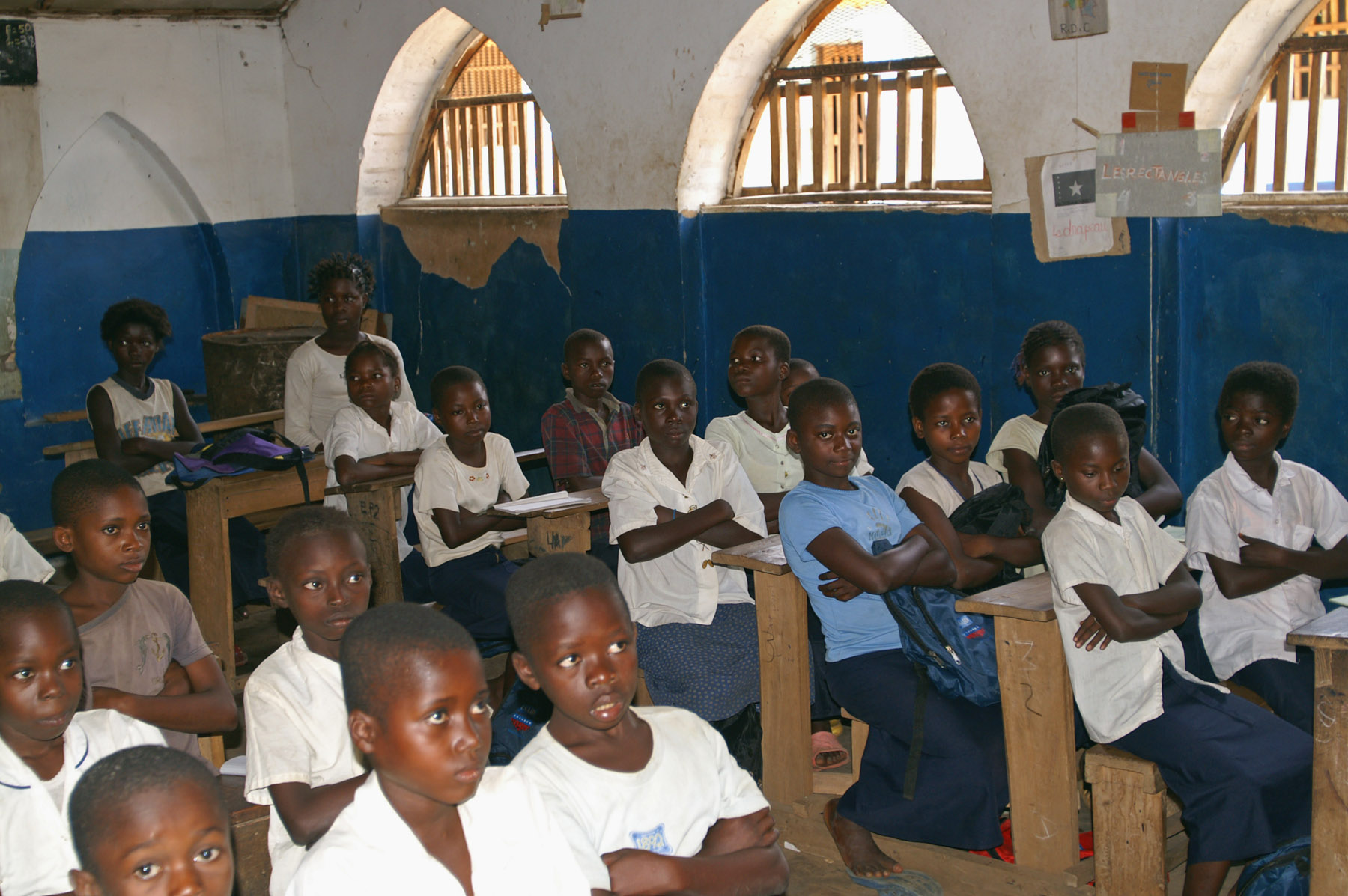
The UN says at least 8 million Sudanese children are out of school as war drives mass displacement. Why lost schooling is an emergency in itself — and why this war gets so little coverage.
-

Seven months after Iran’s crackdown on protesters challenging the theocratic system, the aftermath continues. What that system actually is — and why reliable information from inside Iran is so hard to get.
-
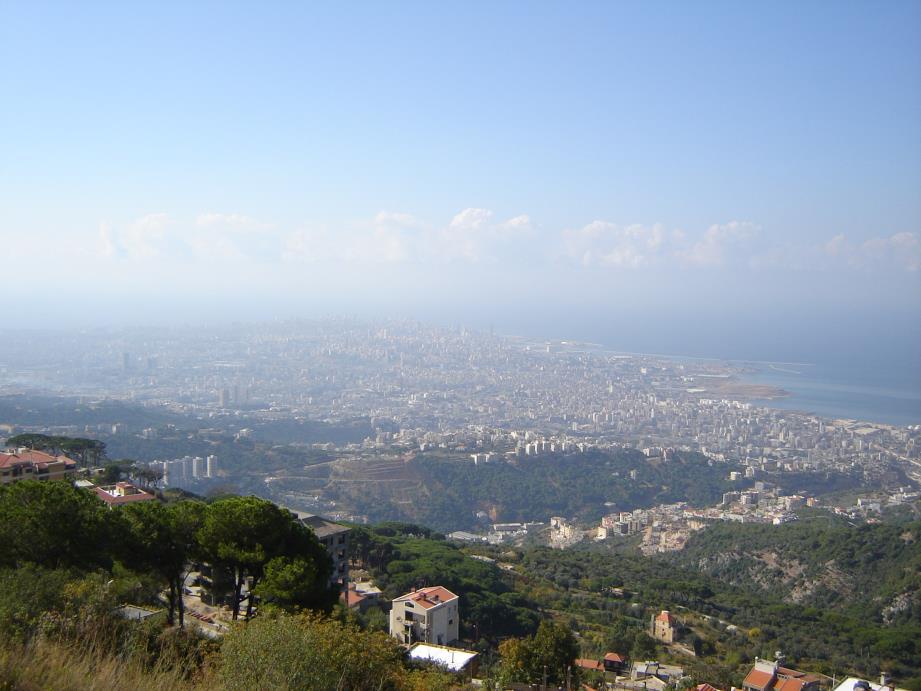
Human Rights Watch, Amnesty International and The Legal Agenda published investigations into the killing of Lebanese journalist Amal Khalil. What they concluded, and why journalists’ civilian status matters in law.
-

The administration wants to scrap hundreds of rules governing Head Start, saying it will save $2.2 billion and reach 236,000 more children. Supporters call it efficiency; critics call it dismantling. Both arguments, plainly.