Category: Climate & Environment
-

South Sumatra alone has 1,429 fire hot spots, haze has crossed into Malaysia and Brunei, and 52 aircraft are water-bombing and cloud-seeding. Police have arrested 72 people and are investigating four companies for clearing land with fire.
-

Copernicus recorded a global average sea surface temperature of 21.1C on 22 August, narrowly beating the previous record from March 2024. The number itself is a fraction of a degree. What scientists find notable is that it happened five months out of season.
-

European surveillance reports 81 locally acquired West Nile cases across six countries this season. Why “locally acquired” is the key phrase, why the counts understate infections, and what the climate link does and does not establish.
-
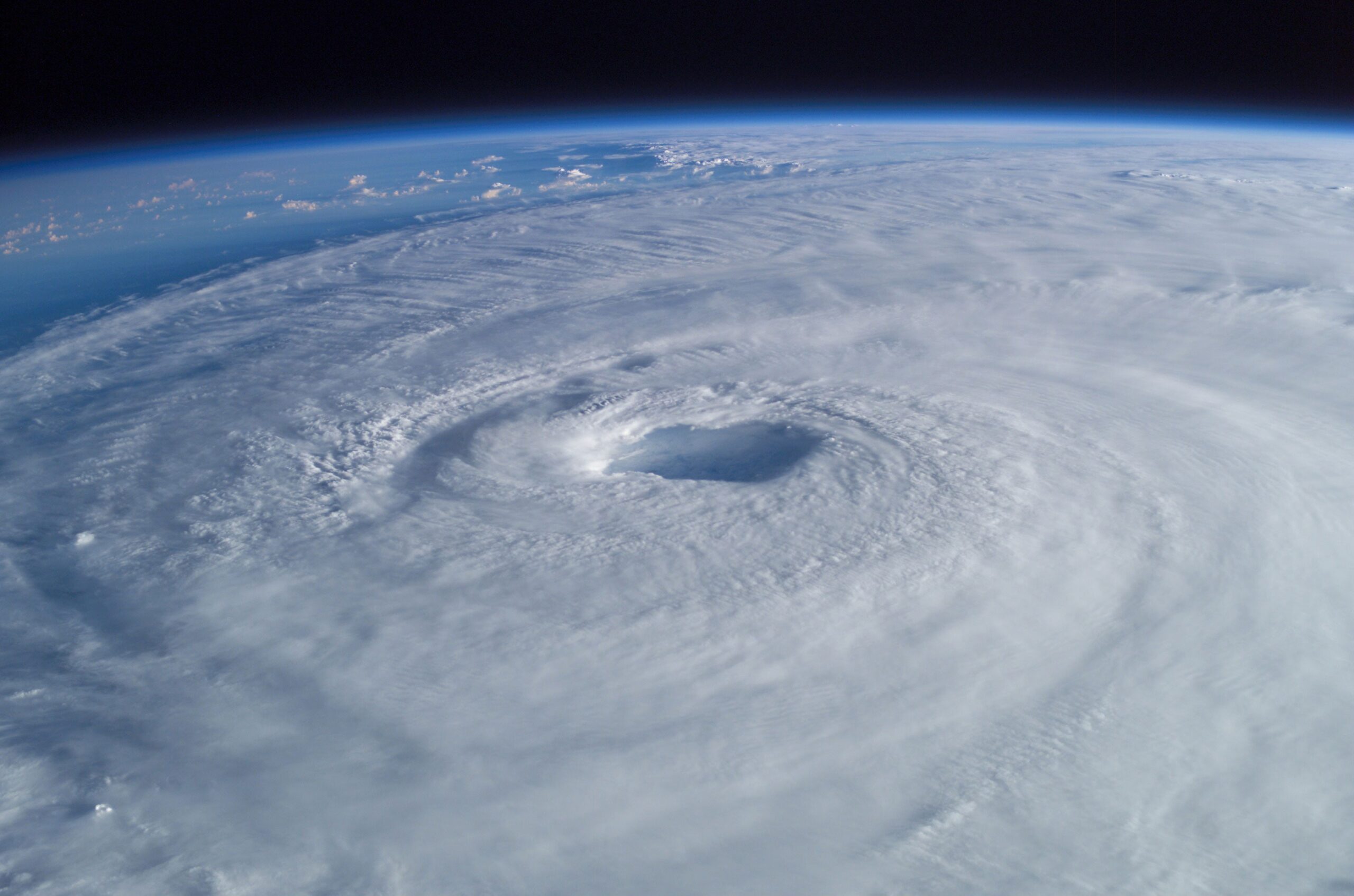
Does a storm’s category tell you how dangerous it is? No — the Saffir-Simpson scale measures wind alone, and water kills most people. Why a downgrade is not an all-clear, and the four things worth checking instead.
-
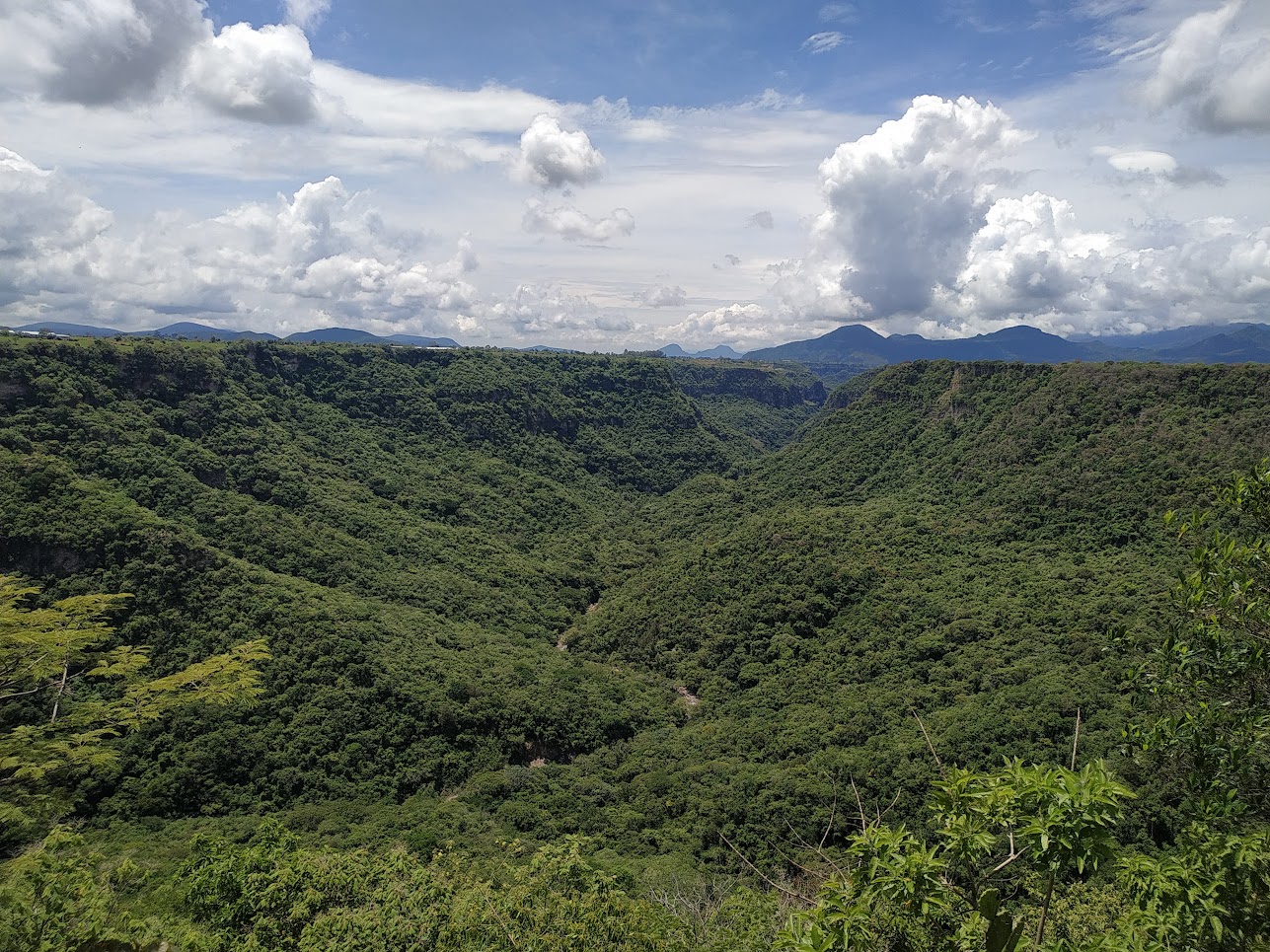
Monsoon rains and Tropical Storm Kujira have killed at least 23 people and affected nearly 586,000 across the Philippines. Why the storm is not the whole cause, what actually kills people in these events, and what “affected” measures.
-

Another shipment of suspected US electronic waste has been intercepted at Subic, the latest in a dispute running since March 2025. Why the Basel Convention makes this legally awkward, what “urban mining” means, and why a court ruling is the reason customs cannot simply seize the cargo.
-

Dozens of animal species turn out to carry enzymes that digest PHA bioplastics — an ability thought to belong only to microbes. What a PHA is, why the finding changes degradation models, and why “biodegradable” is a condition rather than a property.
-

Tens of thousands in Indiana are starting a second week without power. Why the last few per cent of customers take longest to reconnect, what a week without electricity actually does to a household, and the real trade-offs in burying power lines.
-

The claim that global warming has paused keeps returning because temperature records are genuinely noisy. Where the claim comes from, what a 2026 analysis found once natural variability was removed, and three questions that test any trend claim.
-

Funding is being pulled from NOAA’s Arctic Report Card, published annually since 2006. What the report actually is, who relies on it besides scientists, and why breaking a twenty-year series is a different kind of loss from ending one.