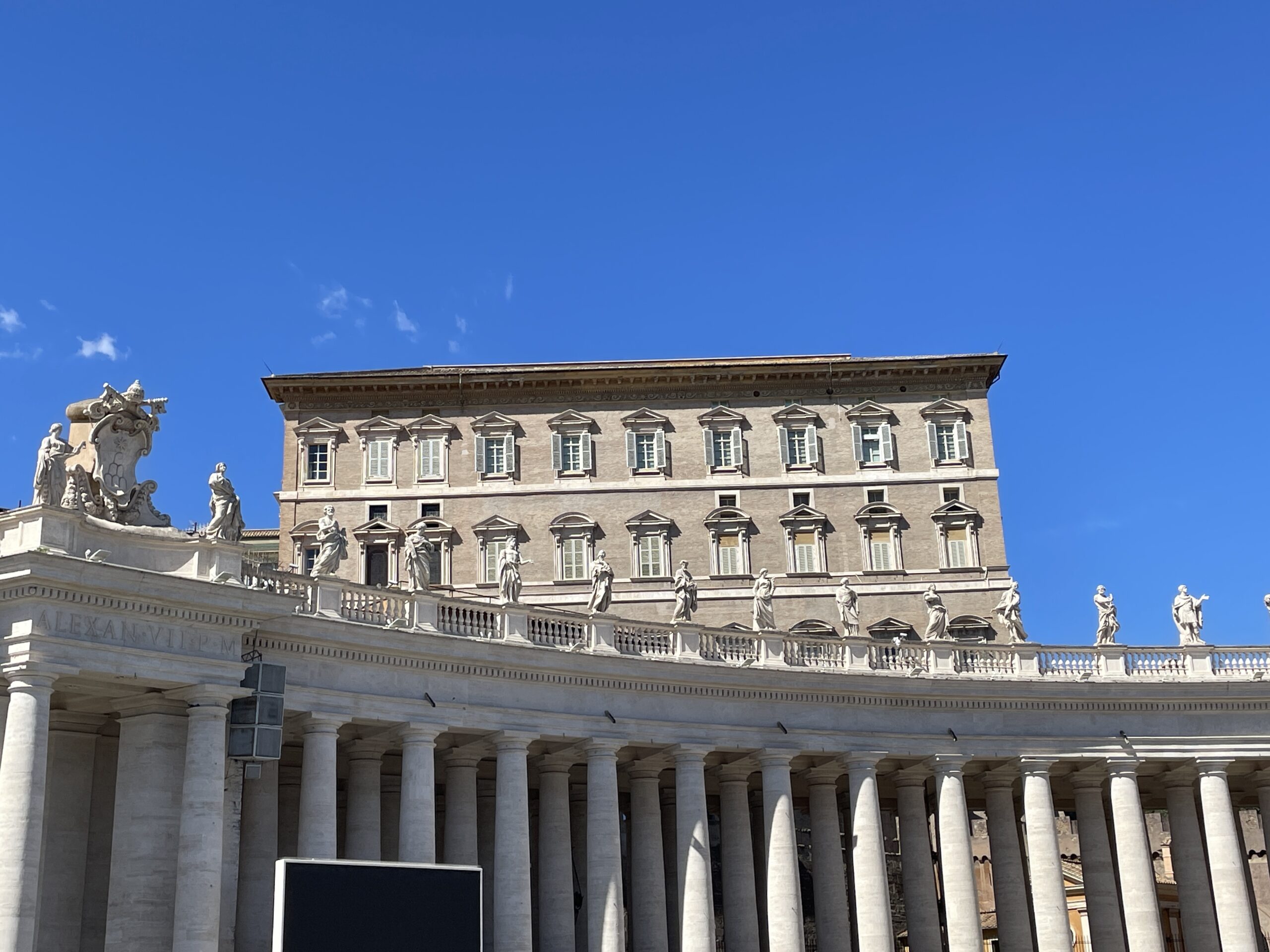
Pope Leo XIV has appointed eight new members to the Vatican’s Council for the Economy, four of them laypeople. Eight existing members were reconfirmed, including the council’s president, Cardinal Reinhard Marx, and vice coordinator Charlotte Kreuter-Kirchhof.
It reads like an administrative notice. It is part of a long and difficult argument about how the Church handles money.
Advertisement — ad space reserved
What the Council for the Economy does
The council oversees the administrative and financial structures of the Roman Curia — the Vatican’s central administration — and of institutions connected to the Holy See.
It is an oversight body rather than an operational one. It sets policy and scrutinises rather than managing day-to-day finances, which is handled elsewhere.
It was created as part of a wider reform effort following years of financial scandal — including the affair surrounding a London property investment that led to the criminal trial of a cardinal, an event without real precedent in modern Vatican history.
Why laypeople on the council matters
Four of the eight new members are laypeople — not clergy.
Historically, Vatican financial oversight was conducted by clerics reviewing the work of other clerics, within an institution where seniority, obedience and personal relationships shape how questions get asked. Critics have argued for decades that this was structurally incapable of catching serious problems.
Bringing in laypeople with professional financial or legal backgrounds is intended to introduce people whose careers do not depend on ecclesiastical advancement, and who are accustomed to the auditing norms of the secular world.
It is also a limited change. Members are appointed by the Pope, serve at his discretion, and the council’s authority remains what canon law gives it.
Advertisement — ad space reserved
Continuity as well as change
The reconfirmation of eight existing members alongside eight new ones is worth noticing. A new pope replacing an entire oversight body would signal dissatisfaction with the direction of reform; retaining half of it signals the opposite.
This follows Leo XIV’s new Fundamental Law for Vatican City State, promulgated at the end of July. Read together, they suggest a papacy paying close attention to institutional structures early in its term.
Why it matters beyond Rome
The money involved is modest by the standards of a large corporation. The reason financial governance matters here is different.
An institution that asks more than a billion people to trust its moral authority is judged partly on whether it can account for donations honestly. Financial scandal has done disproportionate damage to the Church’s credibility precisely because the gap between teaching and conduct is the thing critics point to.
Appointments to an oversight committee will not resolve that. They are, however, the kind of unglamorous structural work that either happens or does not — and it is usually only noticed when it has failed.
Source: EWTN News / Catholic News Agency, 11 August 2026.
Advertisement — ad space reserved
Leave a Reply