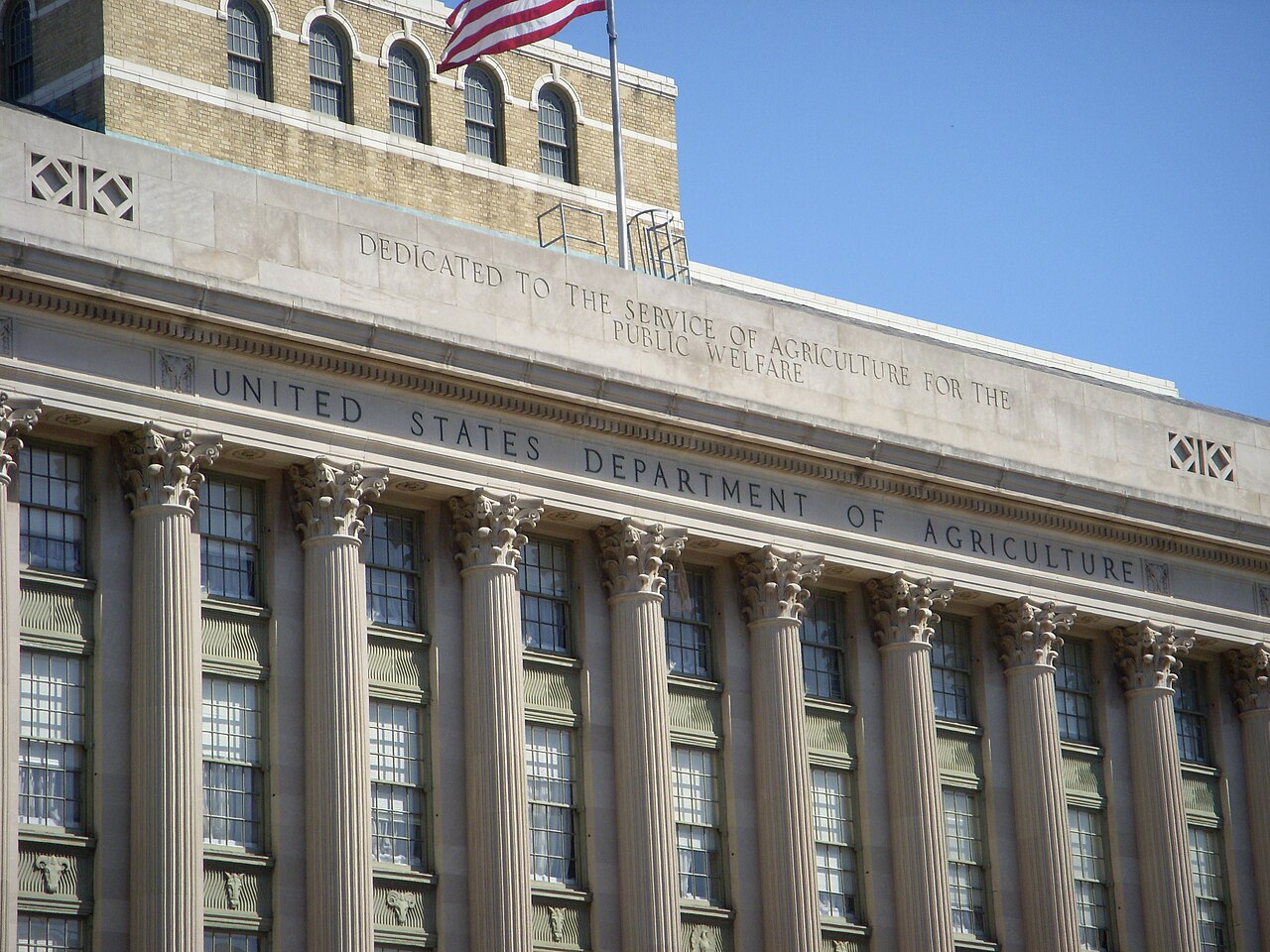
The US Department of Agriculture is moving roughly half of its Washington-based employees out of the capital, relocating positions to regional hubs around the country.
Relocations of this kind have been tried before, by this department specifically, and the results are documented well enough to make the likely consequences predictable.
Advertisement — ad space reserved
The case for moving
The arguments are genuine ones. Agricultural policy is made in Washington for a sector located almost entirely outside it, and officials closer to the farms they regulate may understand them better. Salaries and office costs are lower outside the capital. And there is a distributional argument: federal employment is a substantial economic asset, and concentrating it in one wealthy metropolitan area is a choice with regional consequences.
Governments in several countries have pursued the same logic. The United Kingdom has moved civil service posts out of London for years, and Nordic states have long practised deliberate dispersal of public agencies.
What happened last time
In 2019 the USDA relocated its Economic Research Service and National Institute of Food and Agriculture to Kansas City. Most affected staff did not move. Reporting and subsequent government accountability work found that a large majority of employees in the affected units left rather than relocate, and that research output dropped sharply while the agencies rebuilt.
The mechanism is not mysterious. Senior specialists — economists, statisticians, scientists — have working spouses, school-age children and mortgages, and their skills are portable to other employers. The people most able to leave are the ones with the most expertise, which means a relocation functions as an unplanned redundancy programme aimed disproportionately at the department’s institutional knowledge.
Supporters of the earlier move argued that the agencies recovered, that new hires brought different perspectives, and that resistance to relocation reflected the preferences of Washington professionals rather than the needs of American agriculture. Both readings can point to real evidence about what happened after 2019.
Advertisement — ad space reserved
What is at stake in the detail
The USDA does more than farm policy. It runs the food assistance programmes that tens of millions of people depend on, sets nutrition standards, inspects meat and poultry, forecasts crop production for global markets, and administers rural development lending.
Which functions move, and which staff are in them, therefore matters more than the headline share. A relocation that disperses regional field operations is a different proposition from one that moves the statistical services on which commodity markets, and every serious analysis of the food system, depend.
Those statistical outputs are also the raw material for reporting on the sector — including the cattle inventory data Tyson cited when it closed its Illinois beef plant.
Sources
- Reporting on the USDA relocation announcement, September 2026
- Background on the 2019 relocation of the Economic Research Service and NIFA to Kansas City and subsequent staffing losses
Leave a Reply