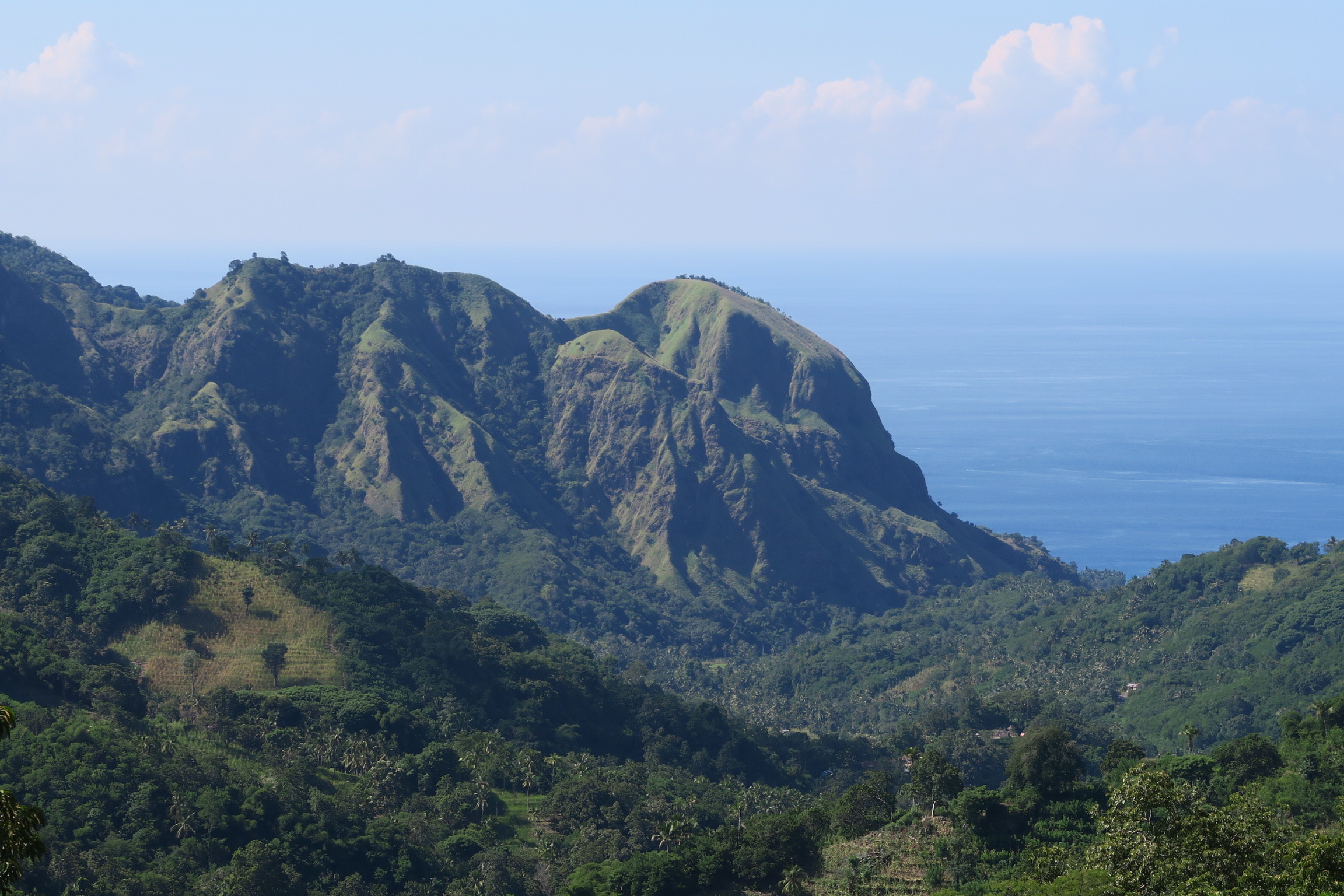
Pope Leo XIV has sent a message of condolence to the people of Indonesia following the earthquake that struck on 15 August. The telegram, dated 17 August and signed by the Secretary of State, Cardinal Pietro Parolin, was addressed to Archbishop Paulus Budi Kleden of Ende — the diocese covering much of the worst-affected area on Flores.
Advertisement — ad space reserved
Why the message went to Ende
Indonesia is the world’s largest Muslim-majority country. Flores is one of the places where that description does not hold: the island is heavily Catholic, a legacy of Portuguese missions from the sixteenth century onwards, and Ende was historically a mission centre. The Catholic parish network there is not a minority presence but the ordinary structure of village life across much of the island.
That is why a papal telegram to Ende is addressed to something operational rather than symbolic. Archbishop Kleden has been describing relief efforts publicly and asking for prayers as they continue.
Religious networks as first responders
In the first days after a disaster in a remote area, the organisations that function are the ones already there. On Flores, with roads blocked and villages cut off, that meant parishes, mosques, schools and religious orders — buildings with space, people with lists of who lives where, and structures that do not need to be assembled from scratch.
Researchers who study disaster response consistently note both the value and the limits of this. Faith networks reach places and people that formal agencies take days to reach, and they carry trust that outsiders have to earn. They are also uneven: coverage follows the map of religious affiliation rather than the map of need, they are rarely trained in the technical parts of a response, and coordination between them and the state can be improvised. In a mixed community, help arriving through one community’s institutions can be experienced as help arriving unevenly.
Both things are usually true at once, and neither cancels the other.
Advertisement — ad space reserved
What a papal telegram actually does
It is easy to be dismissive about condolence messages, and worth resisting. A telegram of this kind does three practical things beyond expressing sympathy.
It directs the attention of a global institution to a specific local church, which in the Catholic system is how funds and personnel start moving. It encourages the civil authorities by name to continue their humanitarian work, which is a mild but real form of public pressure. And it registers an event internationally in a place where coverage is thin — Flores is not a location that holds the world’s attention for long.
This is the second such message in a week. The Pope sent a similar telegram on 11 August after the earthquake in western Colombia, a disaster on a much larger scale.
The situation on the ground
The 7.7-magnitude earthquake has killed at least 53 people, according to figures cited in mid-week reporting, with more than 5,000 displaced and severe structural damage to hundreds of buildings. Rescuers have reached villages that were cut off in the first days, and aftershocks have continued, as we covered in our reports on the rising toll and on what 235 aftershocks in 36 hours actually means.
Figures at this stage remain provisional. The phase now beginning — shelter, water, and getting children back into schooling — is the long one, and it is the phase that religious and civil institutions will be carrying together long after the attention has moved on.
Sources
- Catholic World Report — the Pope’s message to Indonesia
- Vatican News — Archbishop Kleden on relief efforts in Ende
Advertisement — ad space reserved
Leave a Reply