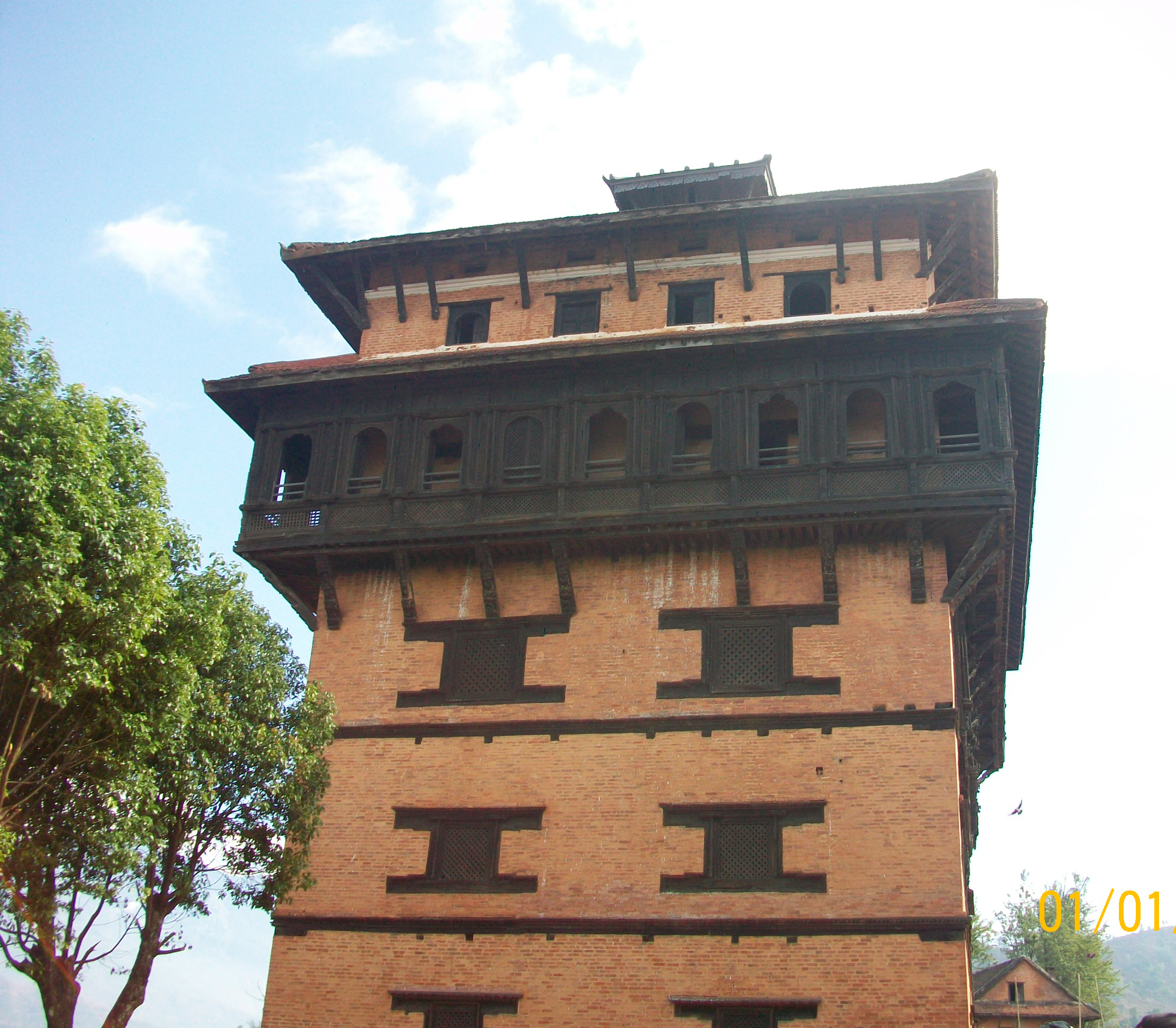
Four days after the glacier collapse on the Nepal–Tibet border, survivors cut off in the upper valleys have begun reaching safer ground, carried out by helicopter or walking where roads have been cleared. In Devighat and other settlements in Nuwakot district, residents spent Saturday salvaging belongings from houses filled with mud and debris.
The confirmed death toll has continued to climb. Nepali authorities reported several hundred dead by the weekend, with Chinese authorities reporting a small number of deaths on the Tibetan side. The figure that has grown fastest, and that families are waiting on, is the missing: taken together across both sides of the border, close to 3,000 people are unaccounted for.
Advertisement — ad space reserved
What the missing figure means
It is worth repeating a point we made earlier this week, because the number is large enough to be misread. The missing are not a second death toll waiting to be confirmed.
The list is assembled from relatives’ reports, and it includes people who were in the affected districts and cannot be reached. In a region where phone coverage has failed, roads are cut and thousands have moved to shelters, being unreachable and being dead are very different conditions. In comparable Himalayan disasters, a substantial share of those initially listed as missing were later located alive.
It also, unavoidably, includes duplicates: the same person reported by two families, or listed in two districts. Reconciling those lists is slow work that tends to happen after the search phase ends.
None of that makes the figure meaningless. It is the best available measure of how many households are still waiting.
The phase the response is entering
Rescue operations of this kind follow a grim arithmetic. The survival window for someone trapped in mud and debris is short, and by the fourth day the emphasis shifts from rescue towards recovery and towards keeping the survivors alive: shelter, clean water, and preventing the outbreaks that follow when sanitation systems are buried.
Thousands of Nepali army and police personnel remain deployed. The obstacles have not changed: destroyed bridges, some 40 kilometres of damaged road, weather that grounds helicopters, and the debris lake at the head of the valley, which halted work near the border earlier in the week.
Advertisement — ad space reserved
What comes after
Two problems are already visible beyond the immediate emergency.
The first is administrative. Families of the missing in Nepal face a long wait for death certificates, without which inheritance, bank accounts, land title and compensation are all frozen. This is a recurring feature of mass-casualty disasters and it can take years.
The second is economic. The Gyirong crossing, the main trade route between Nepal and Tibet, was destroyed. The valley’s other livelihood, trekking, depends on infrastructure that no longer exists, in a season that is normally its busiest.
Our earlier coverage: the toll passing 500 and the new lake above the valley, and how a glacier falls down a mountain.
Advertisement — ad space reserved
Sources
Associated Press; Nepal Police; Nepal’s National Disaster Risk Reduction and Management Authority; Chinese state media reports from Gyirong county.
Leave a Reply