Category: Energy
-

The US Strategic Petroleum Reserve fell to 289.7 million barrels, its lowest since November 1982. The stockpile is not empty — but the reserve’s usefulness is measured in barrels per day, not barrels, and that number has fallen too.
-
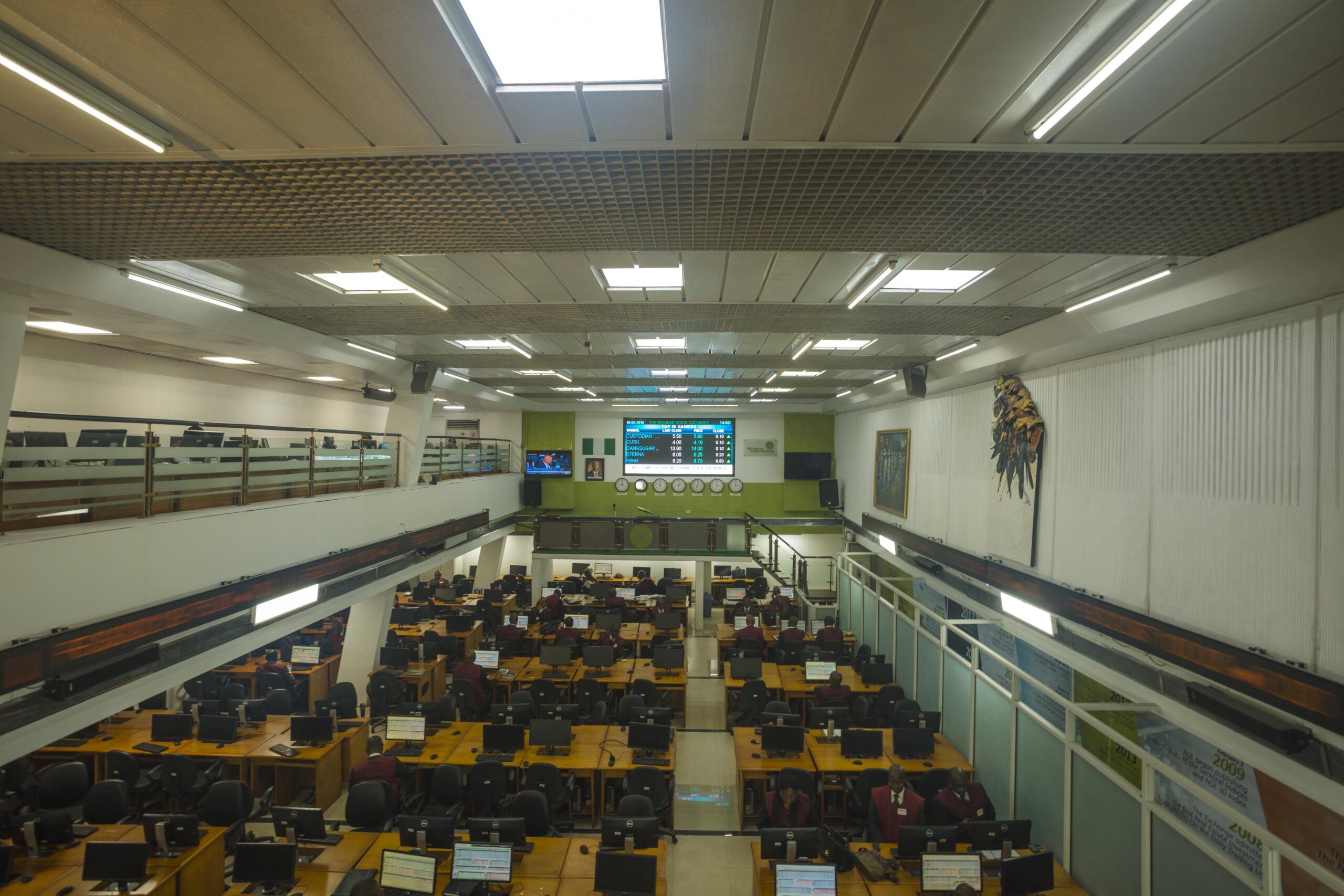
Iran’s foreign minister says US officials are gaming energy markets for personal gain and keeping the president in a losing war. No evidence was published, no names given. Why the claim is worth reporting anyway — and how to read it.
-
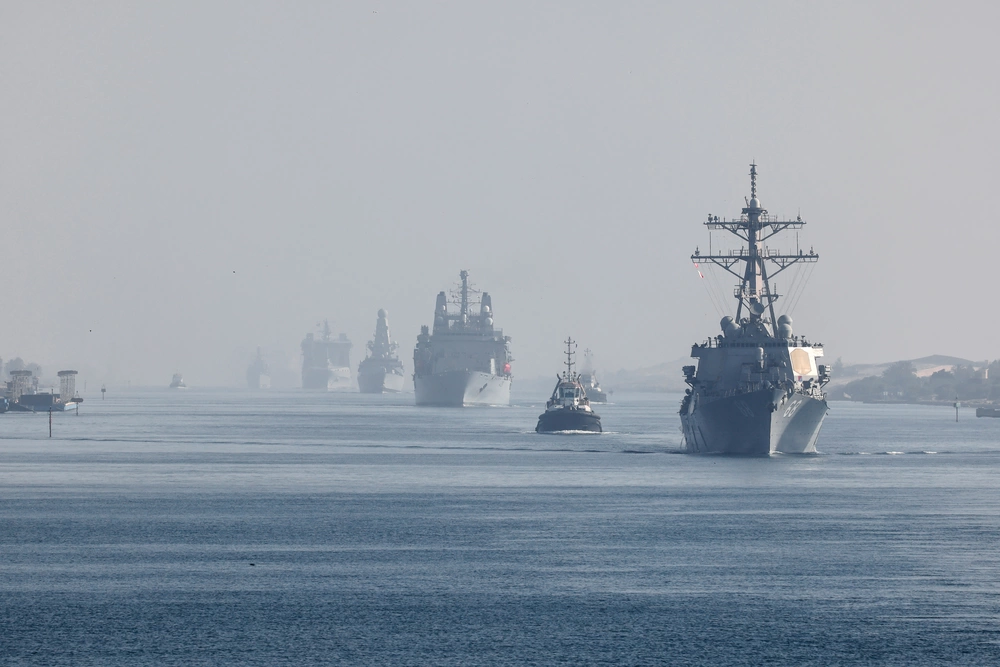
The only chokepoint in this series that people dug. Egypt earns tolls on every transit, which makes the canal a national budget line as well as a trade route — and in 2024 it emptied out without Egypt closing anything at all.
-

Oil through the Bab el-Mandeb collapsed to 4.1 million barrels a day in 2024, then doubled to 8.1 million this year as Saudi crude was rerouted away from Hormuz. The escape route from one chokepoint runs straight through another.
-

The world’s biggest oil chokepoint is not Hormuz. It is a 1.7-mile-wide channel near Singapore carrying nearly a third of seaborne oil and a quarter of all traded goods — and its collapse in volume this year shows how chokepoints are linked.
-
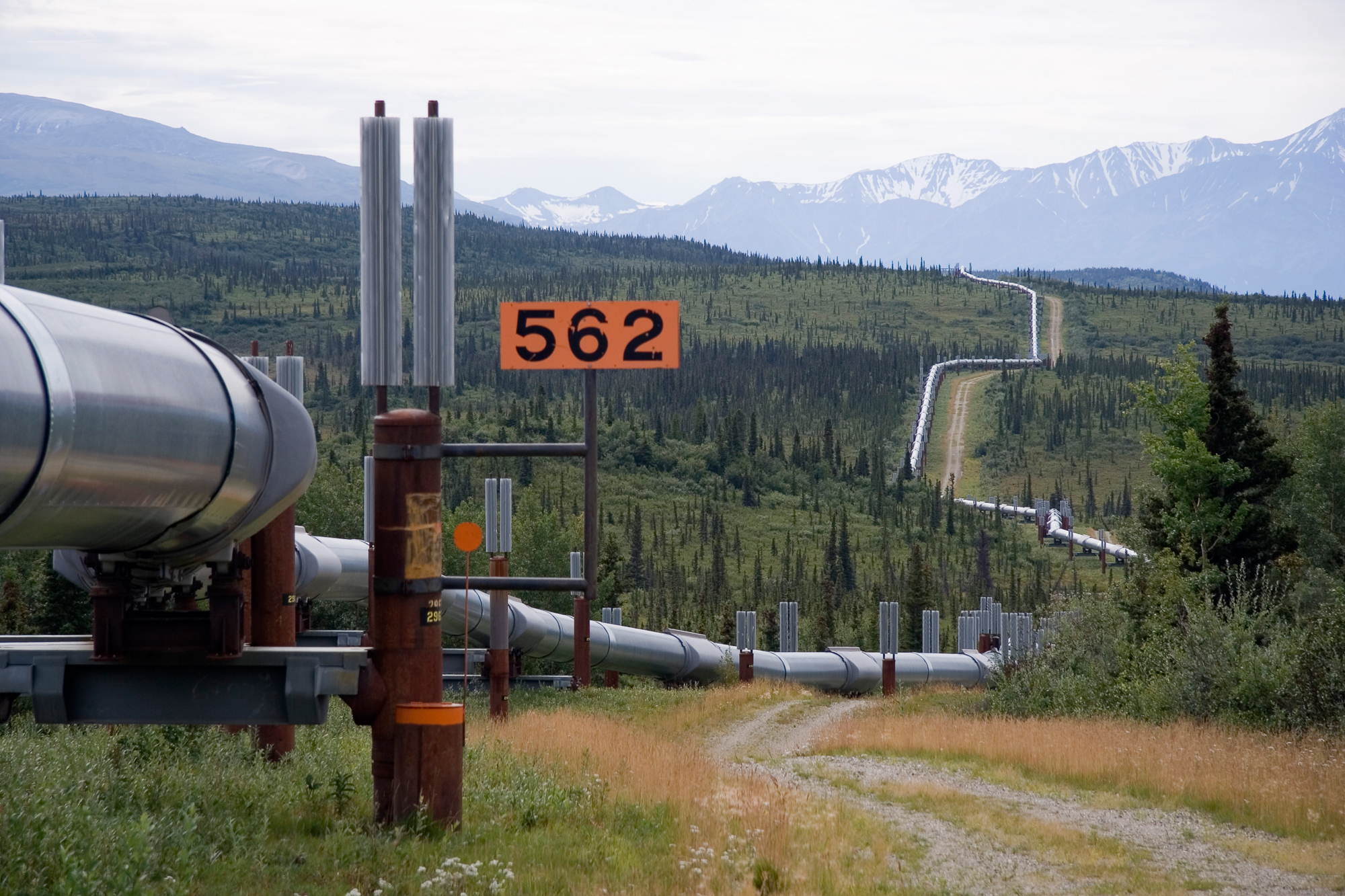
About 5 million barrels a day are moving through the Strait of Hormuz, against more than 20 million before the war. Where the missing barrels went, why Japan is backing pipelines that bypass the strait, and why the price shock was smaller than the volume loss.
-
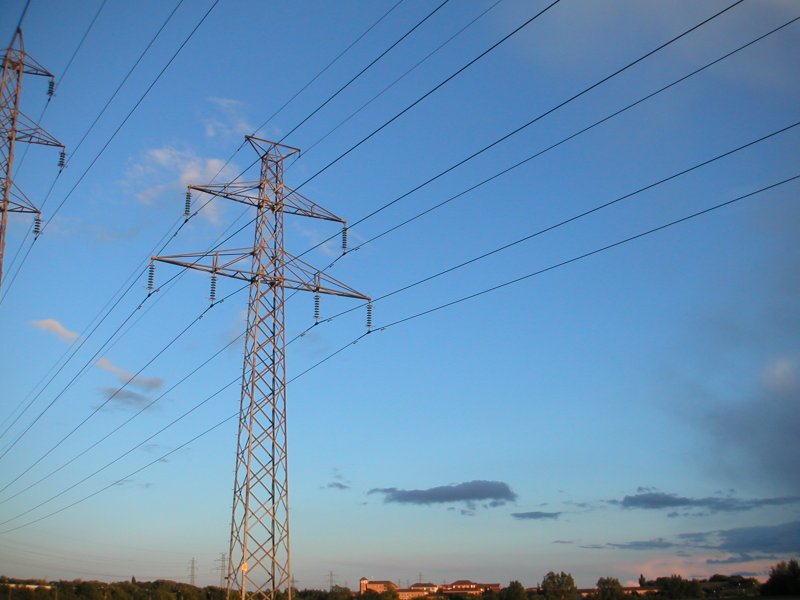
Ontario’s premier says Canada could cut off electricity and critical minerals to the United States. Provinces do control their own resources — but the grid is shared, the contracts are long, and the constitutional question has never been tested.
-

A Republican campaign committee has warned AI companies that data centres are costing the party votes in Ohio. Why a data centre shows up on a household bill, why transmission is the binding constraint, and what the memo actually signals.
-
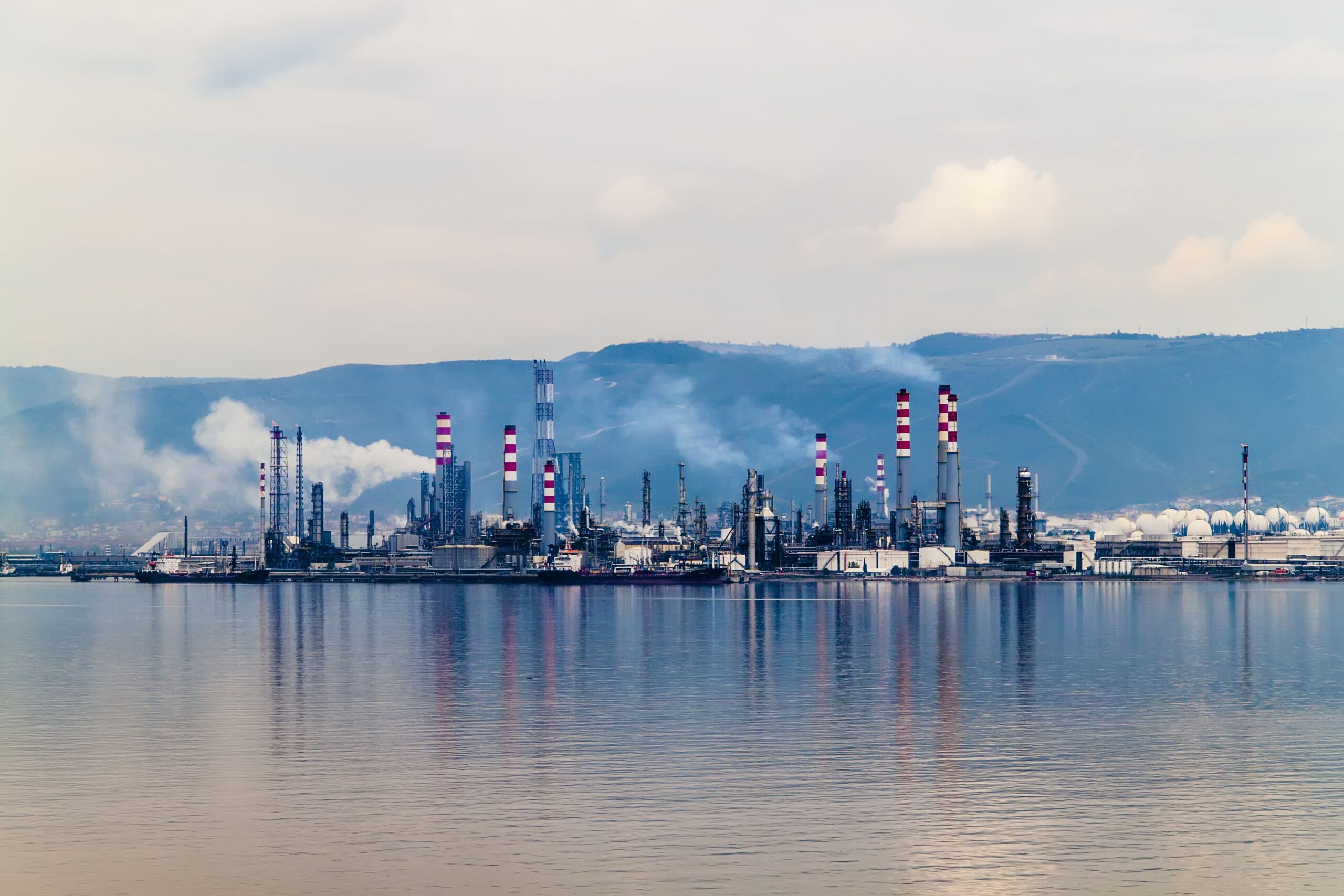
Offers of Iranian crude to China have fallen for September and October delivery while prices rise. Why China is effectively the only buyer, what an “offer” measures that export data doesn’t, and why a higher price here signals weakness.
-
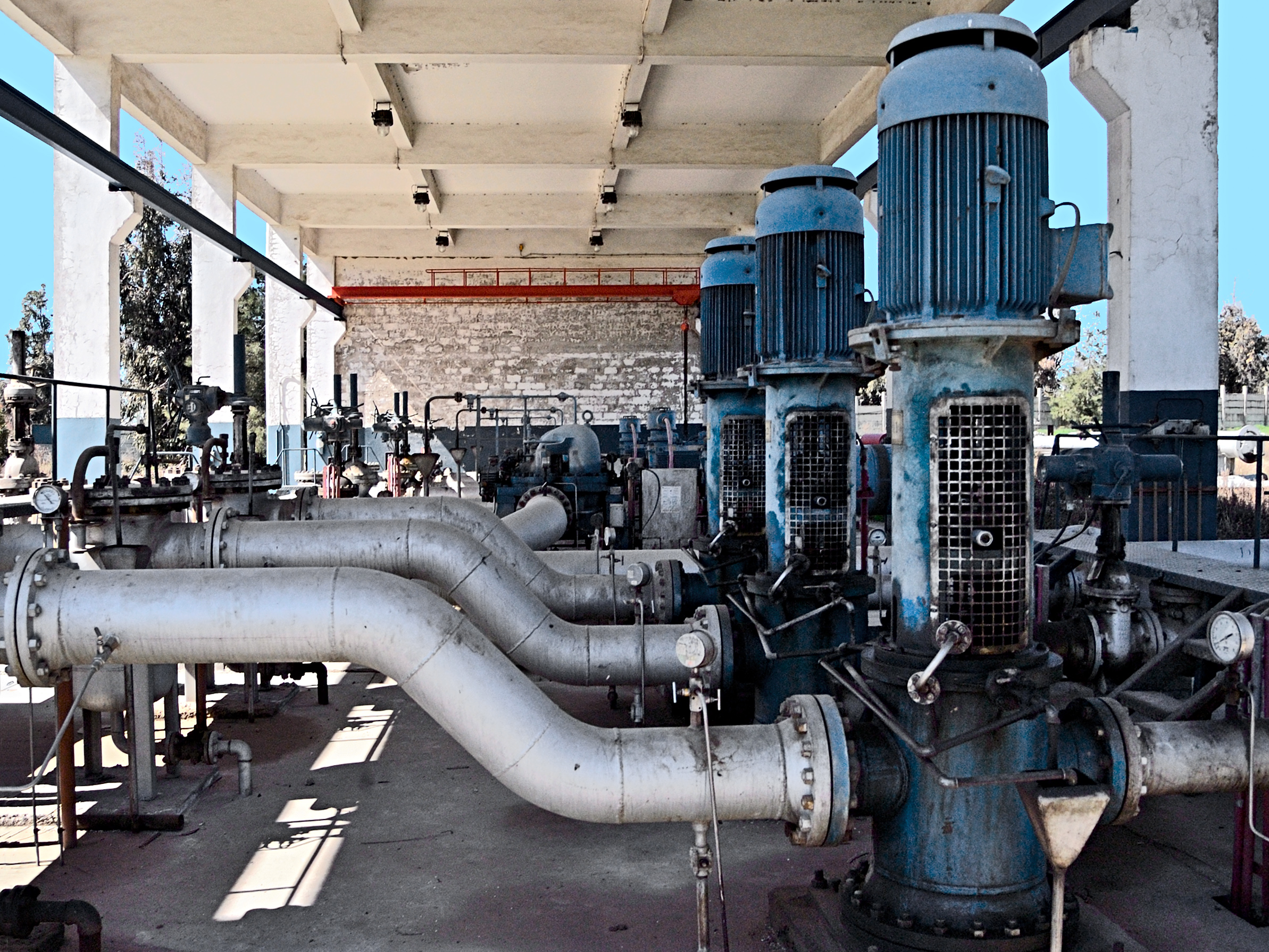
Ukrainian drones hit a refinery in Tatarstan and an oil terminal in Krasnodar overnight. Why a refinery and a terminal are different targets, why the distance is the point, and why damaging refineries can raise crude exports rather than cut them.