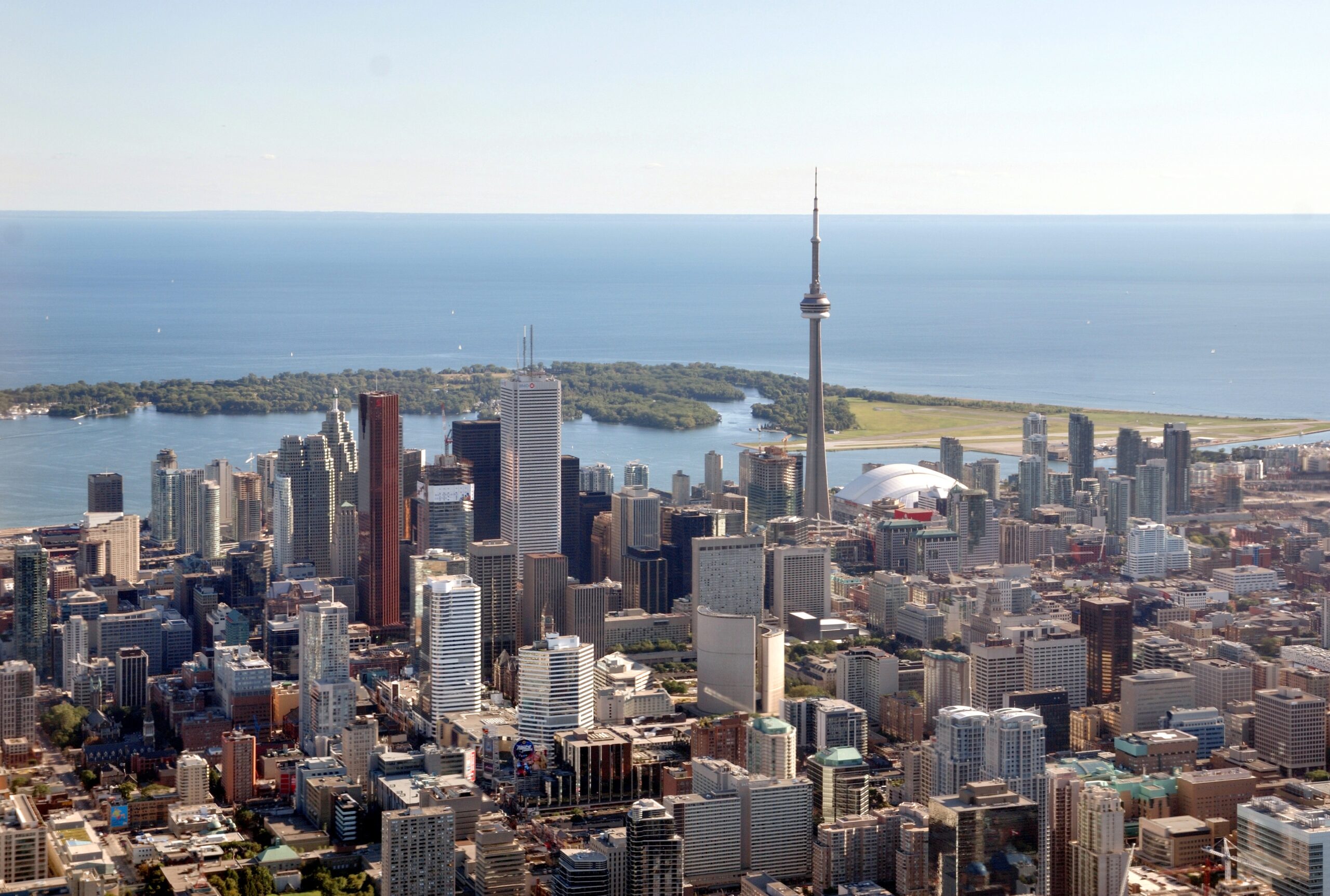
Canada has answered the renaming of Lake Ontario with a sign. Large lettering installed on the Canadian shore reads “Lake Ontario now and always”, and it was reported by the BBC and DW over the weekend as the latest exchange in a dispute that began as a trade fight and has moved on to cartography.
Advertisement — ad space reserved
What each side is actually doing
The American executive order signed on Thursday renamed the lake “Lake America”, effective immediately. As we set out at the time, that binds United States federal agencies and their maps, and reaches nothing else. Roughly half the lake is Canadian, and Canadian authorities name features on their side.
A sign is the physical version of that legal point. It asserts nothing new — the name has not changed in Canada, and no American order can change it — but it makes the split visible in a way a filing cabinet cannot.
Both gestures share a quality worth naming: they are free. Neither costs a government anything measurable, neither changes a tariff schedule, and both generate coverage. That is the appeal.
The thing underneath
The dispute that produced all this is not about a lake. The United States imposed 50 per cent tariffs on $20 billion of Canadian goods, and the consequences of that fall on lumber mills, car parts plants, farms and the people who work in them, on both sides of the border. The two economies are deeply integrated; a tariff at that level does not simply move production from one country to the other, it raises costs inside supply chains that cross the border several times before a finished product exists.
Neither the order nor the sign moves any of that. This is the risk with symbolic exchanges during a substantive dispute: they are more legible than tariff schedules, so they get the attention, and the attention is finite.
Advertisement — ad space reserved
Two readings of the Canadian response
The case for it is that symbolic pressure left unanswered tends to be repeated, that a cheap and good-humoured reply costs Canada nothing and denies the gesture its effect, and that domestic audiences expect a government to respond when the country is publicly needled by its largest trading partner.
The case against is that responding in kind accepts the terms of the exchange. Every day spent on lake names is a day not spent on the tariffs, and Canada is the smaller economy in this dispute, which means it has more to lose from a fight conducted at the level of stunts.
How these usually end
Naming disputes between neighbours are common and rarely resolve; they simply stop being maintained. The likely outcome here is a lasting split in usage — one name on American federal maps, another everywhere else — that persists quietly until an administration changes and someone declines to renew it.
The tariffs will outlast the signage. That is where the story actually is.
Our earlier piece: you can rename half a lake.
Advertisement — ad space reserved
Sources
BBC News; DW News; the US executive order as reported; previous Plain Sight News reporting on the tariffs and the renaming.
Leave a Reply