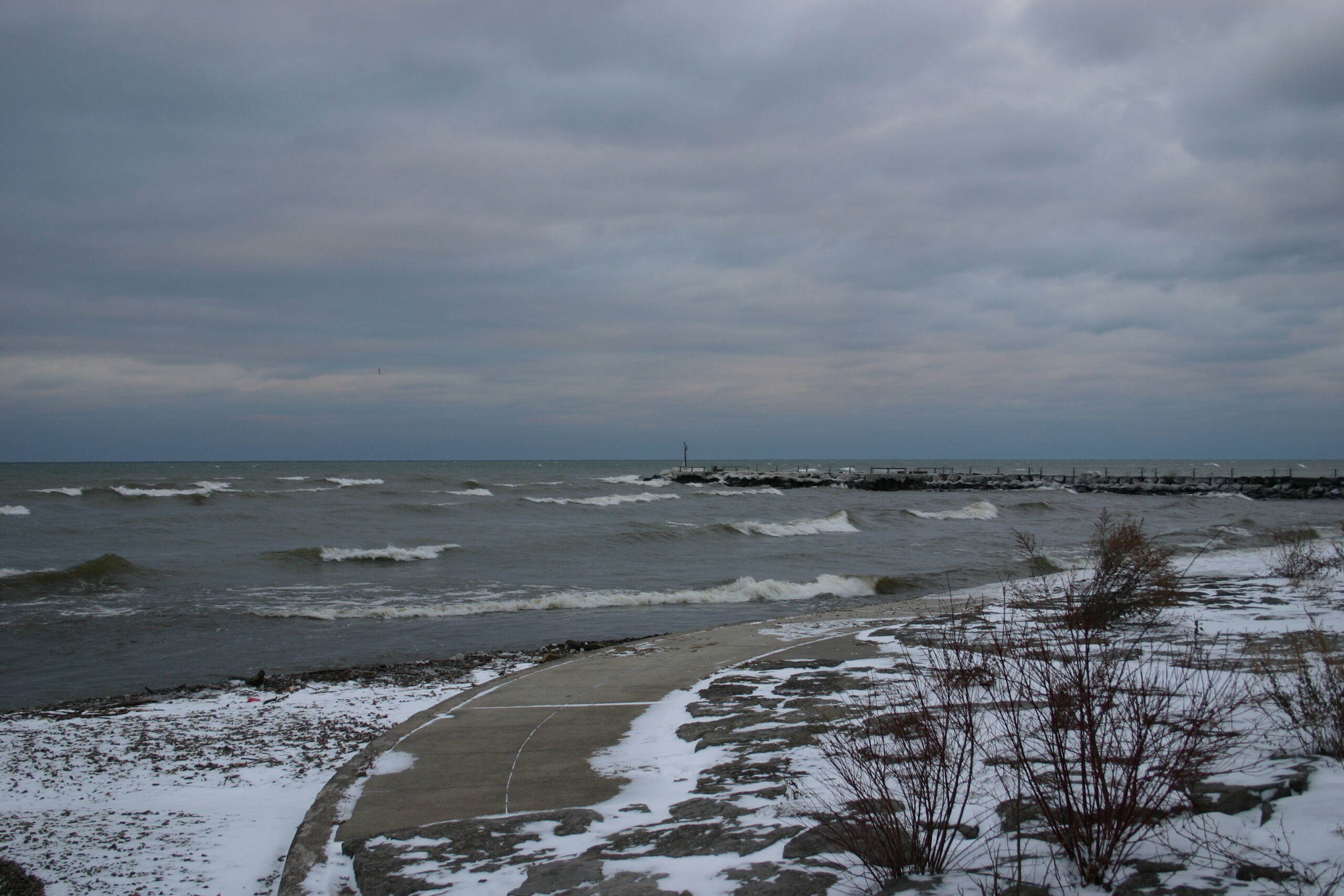
President Trump signed an executive order on Thursday declaring that Lake Ontario will be known as Lake America, effective immediately. The order came days after the White House imposed 50 per cent tariffs on $20 billion worth of Canadian goods.
The reaction split along predictable lines: approval from the president’s supporters, mockery from his opponents. New York’s governor, Kathy Hochul, noted that the schoolroom mnemonic for the Great Lakes, HOMES, would now spell SHAME. In Michigan, a Democratic Senate candidate circulated a map renaming Lake Michigan “Lake Florida”, a jab at an opponent who divides his time between the two states.
Advertisement — ad space reserved
What an American president can and cannot rename
This is the part worth understanding, because “effective immediately” means less than it sounds.
Geographic names in the United States are maintained by the Board on Geographic Names, a federal body whose decisions bind federal agencies. A president can direct that board, and the order therefore does change what American federal maps and documents say.
It does not change what anyone else says. Lake Ontario is not American territory alone: the international boundary runs through it, and roughly half the lake lies in Canada. Canadian federal and provincial authorities name features on their side, and no American order reaches them. International bodies, mapping companies and other governments make their own decisions, and in practice most follow long-established usage.
The precedent is the renaming of the Gulf of Mexico, which produced a period in which American federal maps, some commercial map providers, and the rest of the world used different names for the same body of water. The likely outcome here is the same: a split naming convention rather than a change.
The name itself
“Ontario” is generally traced to a Wyandot or Iroquoian word rendered as something close to “beautiful lake” or “great lake”. The province took its name from the lake, not the other way round. That ordering matters for how the gesture reads north of the border: the lake’s name is older than the province, older than Canada, and older than the United States.
Advertisement — ad space reserved
Why do it
Two readings are available, and they are not mutually exclusive.
The first is that it is a negotiating signal. It arrived in the middle of a tariff dispute, costs the administration nothing, and imposes a symbolic cost on the other side — the diplomatic equivalent of a raised voice. Supporters would say it communicates that the United States is not treating the trade fight as routine.
The second is that it is a distraction, and a cheap one. Renaming a lake generates days of coverage that would otherwise go to the tariffs themselves, which are the thing with measurable consequences for people on both sides of the border.
Critics within the president’s own party have made a third point in similar cases: that symbolic acts against an ally accumulate, and that the cost is paid later, in cooperation that becomes harder to obtain.
What actually changes
In practical terms: American federal documents, charts and agency references will be updated over time. Nautical charts on the Canadian side will not. Shipping, fishing, water management and the binational bodies that govern the lake operate under treaties that name it in their own text, and those texts are not amended by executive order.
Anyone waiting to see whether this sticks should watch two things: whether the mapping companies follow, and whether the next administration reverses it. Both have precedent.
Advertisement — ad space reserved
Sources
The executive order as reported; statements from the office of the Governor of New York; Democracy Now!; US Board on Geographic Names procedures; International Joint Commission materials on the Great Lakes.
Leave a Reply