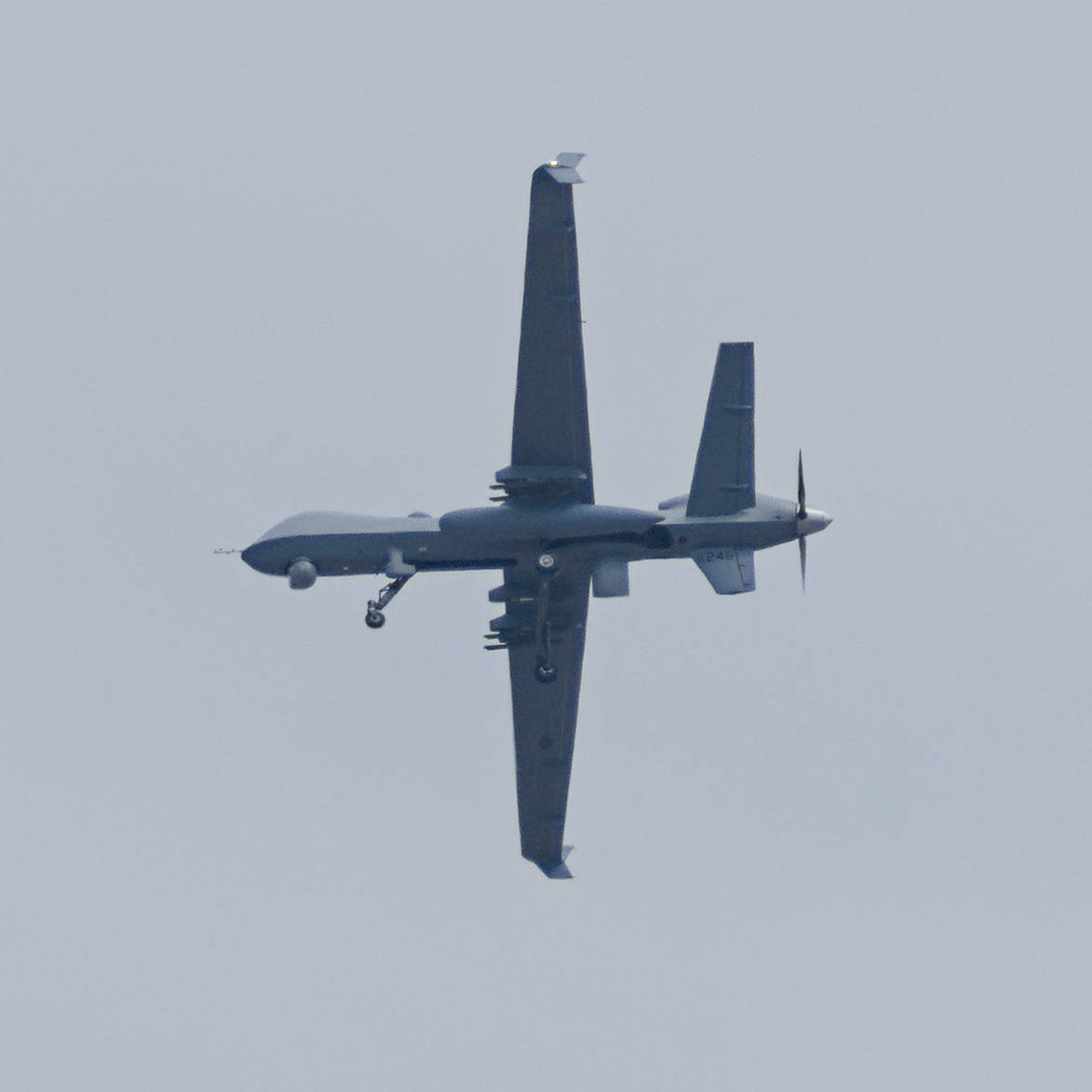
The US Army has instructed a Europe-based unit to stop specialising in drone warfare, according to reporting on internal guidance. The decision runs against the direction of the war being fought a few hundred miles east of where that unit is stationed.
Advertisement — ad space reserved
Why this is surprising
Ukraine has demonstrated more clearly than any conflict in decades that cheap uncrewed systems change how ground war works. Small drones now perform reconnaissance, artillery correction and direct attack at a cost per unit that makes the exchange rate against armoured vehicles absurd in the drone’s favour. Both sides produce them in enormous quantities, and both have built counter-drone electronic warfare to match.
A unit based in Europe is the natural place to accumulate that expertise, being closest to the allies who have learned it under fire.
The institutional logic that might explain it
Armies are generally reluctant to let one formation become the specialist in a capability the whole force will need. Specialisation concentrates skill in a unit that may not be available when required, creates a career track that pulls talented officers away from the mainstream, and lets everyone else treat the capability as somebody else’s job.
The alternative doctrine is to push the capability down to every formation — every infantry company operating and defending against drones as a matter of routine. If that is the intent here, the instruction reads less as a retreat from drones than as a refusal to quarantine them.
There are also unglamorous possibilities: budget lines, procurement disputes about which systems to standardise on, or a judgement that the unit’s primary mission was being displaced by experimentation.
Advertisement — ad space reserved
The historical worry
Militaries have a documented pattern of absorbing the lessons of other people’s wars slowly, and of reverting to familiar structures once the immediate pressure passes. The interwar period is the standard example: several armies observed the same evidence about mechanised warfare and drew opposite conclusions, and the ones that institutionalised the lesson had an enormous advantage over those that studied it and moved on.
Whether this instruction is an example of that failure or of sensible doctrine depends entirely on what replaces the specialisation. Distributing a capability across a force is a stronger position than concentrating it. Distributing it in name, without the training hours, the equipment and the electronic warfare support, is how a capability quietly disappears.
That is the thing to watch: not the instruction itself, but whether drone and counter-drone training appears in the standard training requirements for units across the command.
Sources
- Reporting on US Army guidance to a Europe-based unit regarding drone warfare specialisation, September 2026
- Open-source analysis of uncrewed systems in the war in Ukraine
Leave a Reply