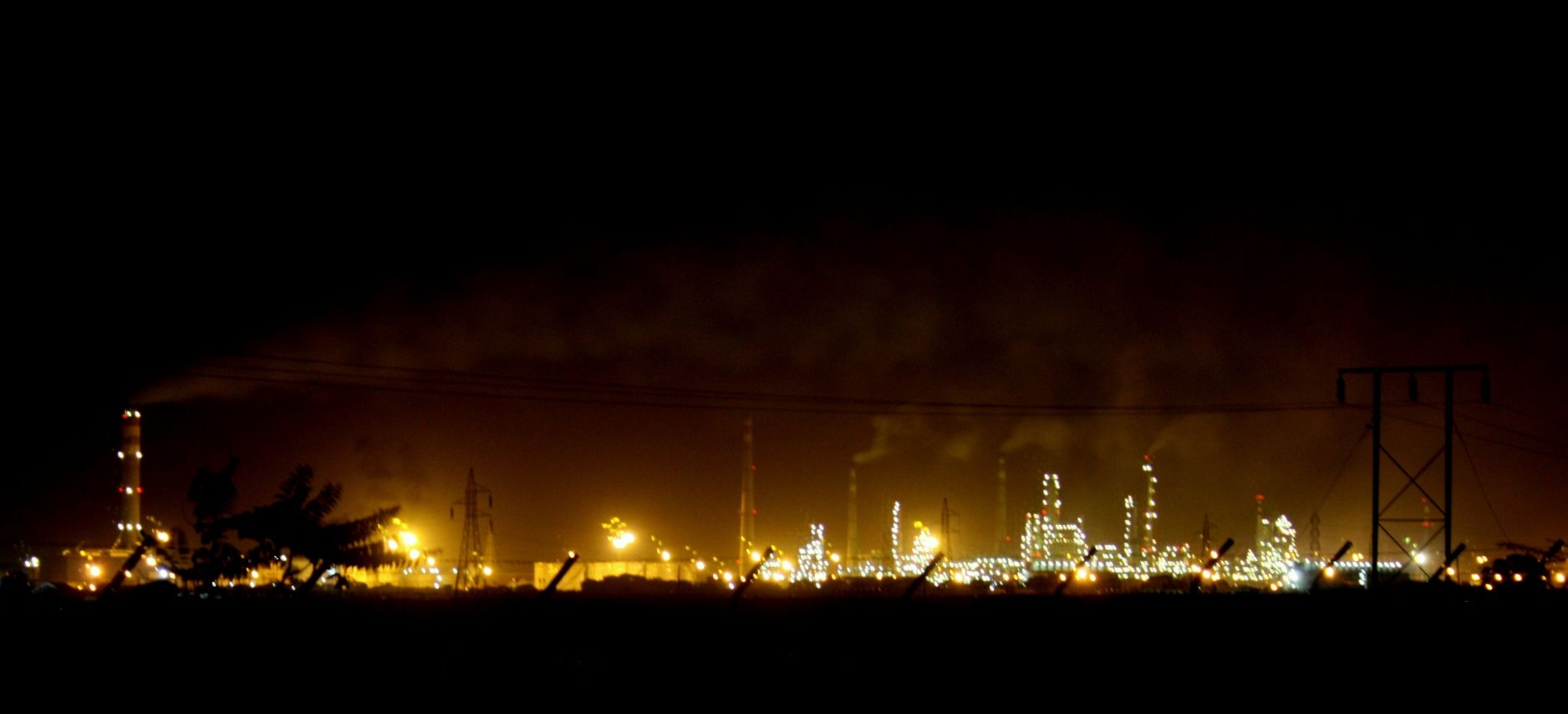
Buried inside the sanctions bill the US Senate has just passed is a provision aimed not at Russia but at its customers: tariffs of up to 100% on goods from the largest buyers of Russian oil and gas. In practice that means China and India.
This is one of the more consequential economic ideas in circulation, and it is worth understanding on its own terms.
Advertisement — ad space reserved
Why Russian oil still sells
Western measures since 2022 have not stopped Russia exporting oil. They have changed who buys it and at what price.
European purchases fell sharply. Asian purchases rose to replace them, largely because Russian crude became available at a discount to world prices. For refiners in India and China, that discount is straightforwardly good business: the same barrel, cheaper.
The result is a trade that is legal under those countries’ own laws, commercially rational, and — from the perspective of governments trying to reduce Russia’s revenue — the reason the pressure has not bitten as intended.
What a tariff on the buyer does
A tariff is a tax on imports, collected at the border of the importing country. A 100% tariff on goods from a country would, in principle, double the landed cost of everything it ships in.
The logic is indirect but clear. It does not stop anyone buying Russian oil. It makes buying Russian oil expensive by attaching a penalty to an unrelated part of that country’s economy — its exports of manufactured goods, textiles, pharmaceuticals, electronics.
In effect, it says: continue this trade if you wish, and your entire export relationship with the United States becomes the collateral.
Who actually pays
This is the part most often misstated in public argument, so it is worth being precise.
Tariffs are paid to the importing government by the importing company. An American firm bringing in goods from a tariffed country pays the tariff. It then either absorbs the cost, reducing its margin, or raises its prices, passing the cost to customers.
The exporting country is hurt indirectly: its goods become less competitive, so it sells fewer of them. That is a real cost — but it arrives second, and it arrives after domestic consumers have already paid the first instalment.
Economists disagree about the exact split between absorbed and passed-through costs, and it varies by product and market. What is not seriously disputed is that a substantial share lands at home.
Advertisement — ad space reserved
The calculation in Delhi and Beijing
For a government weighing this, the question is whether the discount on Russian crude is worth more than the export relationship at risk.
India has consistently framed its purchases as a matter of energy security for a large, energy-hungry population, and has resisted the suggestion that its sourcing decisions should follow another country’s foreign policy. China’s position is bound up in a much broader trade relationship already marked by tariffs.
There is also a matter of principle that governments in both capitals raise: whether one country should be able to penalise another for lawful trade with a third. That objection is not merely rhetorical — it shapes how such measures are received across much of the world, including among countries with no stake in the war.
What might happen instead
Sanctions history suggests trade rarely stops. It becomes more complicated and more expensive.
Oil can be blended with crude from elsewhere until its origin is difficult to document. It can be transferred between vessels at sea. It can be routed through intermediaries in third countries. Each step adds cost and reduces the seller’s revenue, which is precisely the intended effect — but each step also makes the trade harder to see, and pushes more of it towards operators outside the reach of ordinary regulation.
That is not an argument that pressure is useless. It is an argument for measuring success by revenue reduction rather than by whether the trade visibly stops.
What to watch
Three things. Whether the tariff authority survives the House of Representatives intact. Whether, if it becomes law, it is used or held in reserve as a threat — the two are very different policies wearing the same name. And whether the discount on Russian crude widens, which would indicate buyers demanding more compensation for the added risk.
That last figure is unglamorous and probably the most informative number in the whole story.
Sources: Reuters; Euronews; RFE/RL, August 2026.
Advertisement — ad space reserved
Leave a Reply