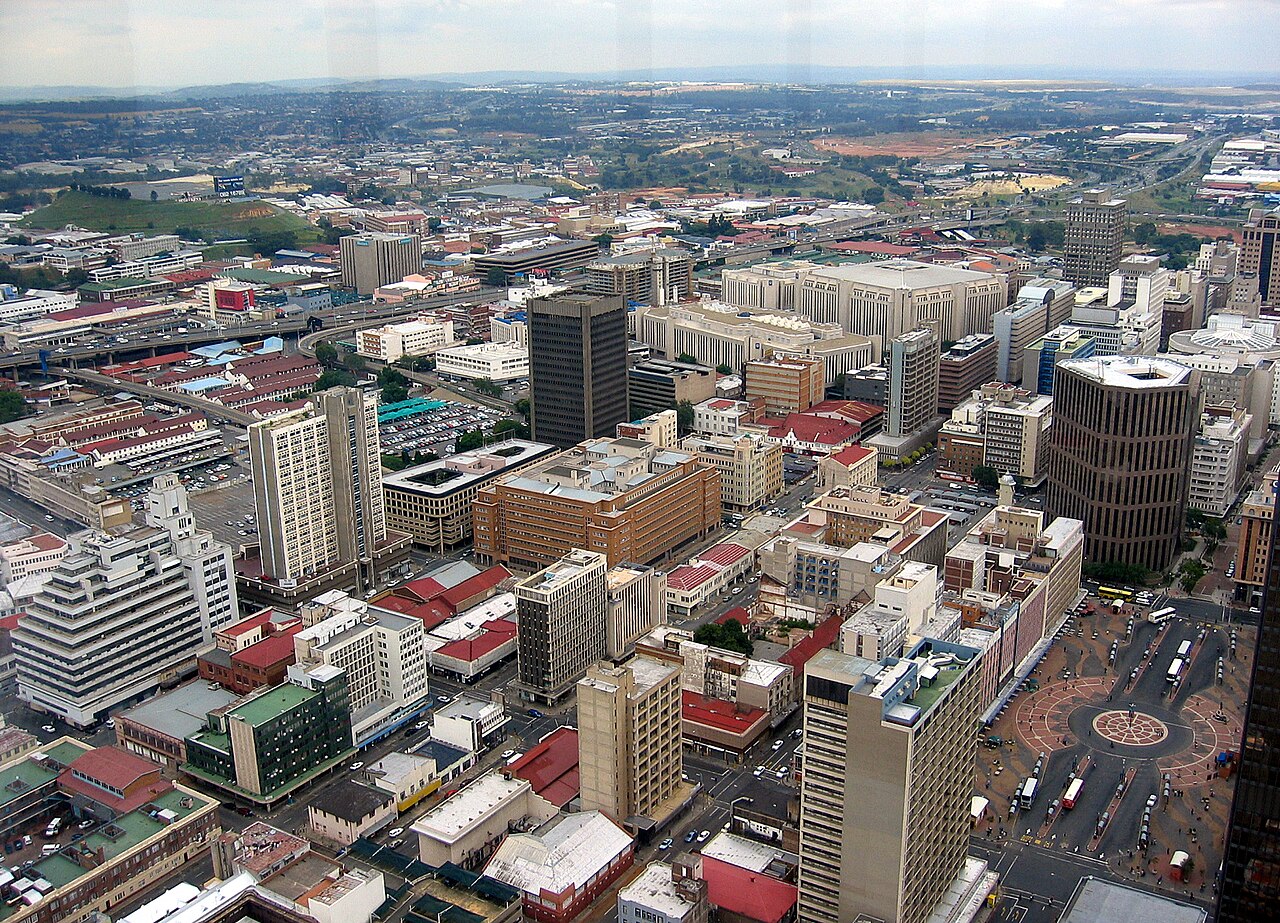
Illegal mining beneath Johannesburg has become severe enough to damage road surfaces from below. South Africa’s informal miners, known as zama zamas, work abandoned and disused shafts in one of the most heavily mined landscapes on earth, and the consequences now reach the streets above them.
Advertisement — ad space reserved
What a zama zama is
The name is isiZulu for someone who keeps trying. The people it describes are mostly men working without licences, equipment or rescue provision in shafts that formal companies abandoned as uneconomic — often descending for days at a time to extract gold from ore the industrial operation left behind.
Many are migrants from Lesotho, Mozambique and Zimbabwe, some of them former mineworkers made redundant as the industry contracted. That detail matters for policy: a substantial share of the people underground learned the work legally, in the same shafts, before the companies left.
Two problems that get treated as one
Public debate in South Africa tends to merge two things that need separating.
The first is the criminal economy around the mining. Syndicates control access to shafts, buy the gold, and have been linked to armed violence, extortion and turf conflict in mining communities. That is an organised crime problem, and it has victims.
The second is the presence of thousands of people doing extremely dangerous work because the formal alternative does not exist. Those people are, in the main, not the syndicates; they are the syndicates’ cheapest input. Enforcement operations that seal shafts or cut off supplies to those underground — an approach used in past crackdowns and heavily criticised at the time — fall on the second group while leaving the first largely intact.
The counter-argument from those who support hard enforcement is that anything short of it concedes territory to armed groups, and that treating illegal mining as a welfare question has produced neither safety nor order in the communities living beside it.
Advertisement — ad space reserved
The liability nobody wants
Underneath all of it sits an unresolved question about who owns a hole in the ground. South Africa has thousands of derelict and ownerless mines, many predating modern rehabilitation requirements, whose original operators no longer exist or have been restructured out of responsibility. Sealing and rehabilitating them is expensive, and the cost has largely fallen to the state.
Road damage from subsidence is the visible tip of that liability. When a century of extraction is left unsealed under a city, the ground eventually registers it — and the bill arrives in the public works budget rather than in any mining company’s accounts.
Sources
- Regional reporting on illegal mining and subsidence damage in Johannesburg, 2-4 September 2026
- Background on derelict and ownerless mines in South Africa and on artisanal mining communities
Leave a Reply