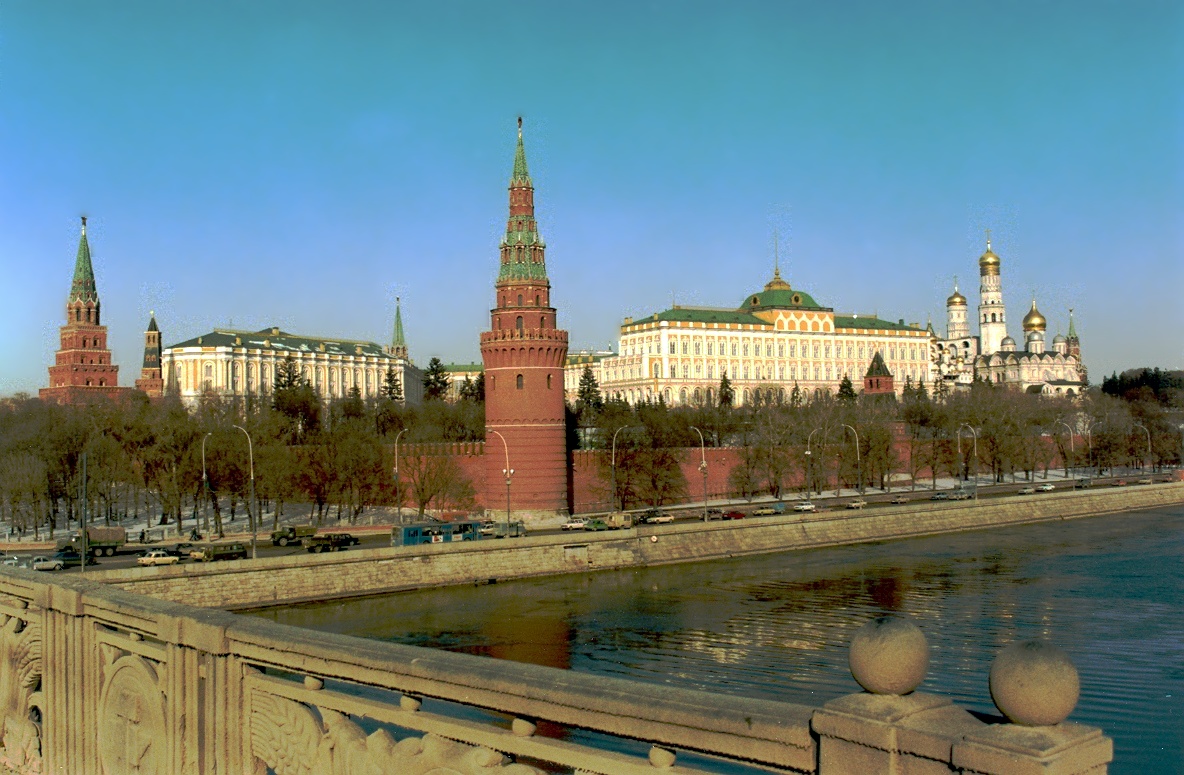
President Vladimir Putin held talks in Moscow with the American envoys Steve Witkoff and Jared Kushner. His foreign policy aide Yury Ushakov said the meeting lasted three hours and ten minutes and described it as substantive, constructive and extremely frank. The discussion covered not only the war in Ukraine but also potential major Russian-American projects.
No agreement was announced. Almost everything of consequence in that paragraph is in the adjectives.
Advertisement — ad space reserved
How to read diplomatic adjectives
The vocabulary of official read-outs is a small and stable language. “Constructive” means the parties intend to meet again. “Frank” conventionally signals disagreement — historically, the more emphatic the frankness, the sharper the exchange. “Extremely frank” alongside “constructive” describes a meeting in which the gaps were aired at length and the process survived them.
The length is a real signal in a way the adjectives are not. Three hours and ten minutes is not a courtesy call, and it is longer than a session convened to restate positions. What it does not tell you is whether the time went on Ukraine or on something else.
The second item on the agenda
Ushakov’s mention of potential major Russian-American projects is the part worth noticing. It signals that economic normalisation — energy ventures, sanctions relief, commercial partnerships — is being discussed alongside, and possibly as part of, the settlement of a war.
Supporters of that approach argue it is how wars actually end: a party gains more from a settlement than from fighting, and the offer of reintegration into the world economy is the strongest lever anyone holds over Moscow. Critics argue that discussing commercial projects while the war continues converts sanctions from a penalty into a bargaining chip, and rewards the invasion by treating its end as an occasion for business.
Both positions assume the same thing: that whoever controls the sequencing — sanctions relief before or after a withdrawal — controls the outcome. That sequencing has not been made public.
Advertisement — ad space reserved
Who is not in the room
Ukraine was not at this meeting, and neither were European governments whose security arrangements any settlement would reshape. That is normal for envoy-level contacts, which exist precisely to explore positions without the constraints of a formal negotiation.
It becomes a problem at the point where exploration turns into terms. An agreement about Ukraine’s territory, alliances or armed forces cannot be implemented by the two governments that drafted it, and a plan presented to Kyiv as settled is a plan Kyiv has every reason to reject. European officials have made a related argument about their own position: the continent would carry most of the reconstruction and security costs of any deal it did not help write.
The counter-argument from Washington is that multiplying the parties multiplies the vetoes, and that no war has ever been ended by a committee.
What to watch
Whether a further meeting is scheduled, and at what level — a move from envoys to foreign ministers would be the substantive signal. Whether Kyiv is briefed and says so publicly. And whether anything concrete emerges on the ground: a prisoner exchange, an energy-infrastructure truce, a humanitarian corridor. Those are the small measurable things that indicate a process exists. Adjectives are not.
Sources
- Remarks by presidential aide Yury Ushakov on the Moscow talks, 5-6 September 2026
- Anadolu Agency morning briefing, 6 September 2026
Leave a Reply