For two years the fight over Russia’s shadow fleet has been fought in a legal grey zone: European navies inspecting ageing tankers, insurers withdrawing cover, sanctions lists lengthening. On 12 August, the Russian president moved it somewhere new.
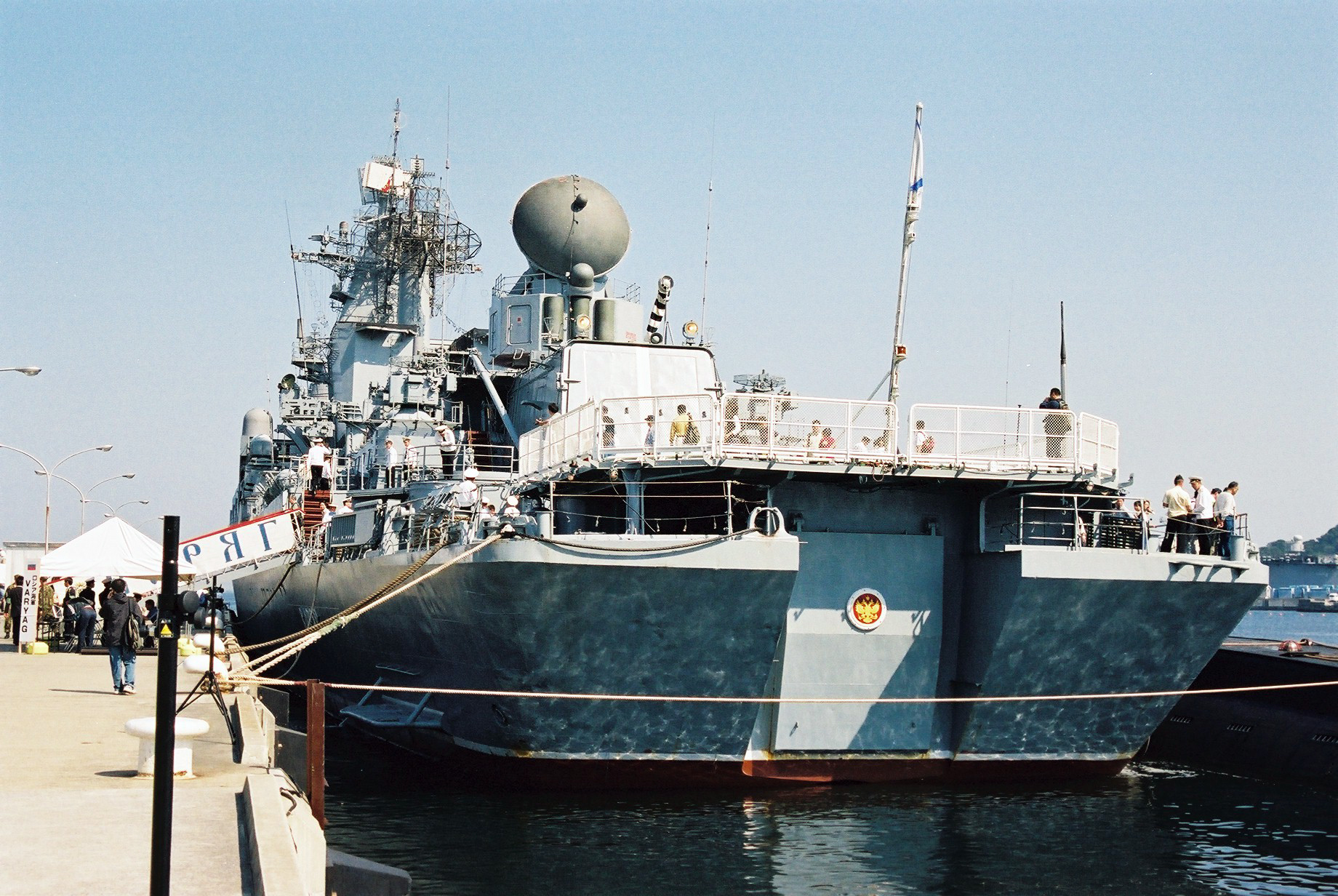
Speaking aboard the missile cruiser Varyag during Pacific Fleet exercises off Sakhalin, Vladimir Putin said European countries were attempting, in violation of maritime law, to restrict the movement of vessels operated by Russian businesses. He described the plan to seize those vessels and sell their cargo as piracy and robbery, and said that if it were put into practice, Moscow would be forced to respond in kind.
The detail that matters most came next. Putin said the Russian response would not necessarily come in the waters where its ships were detained, but wherever Moscow deemed it necessary — including in the Pacific Fleet’s area of responsibility. That is a threat to commercial shipping thousands of miles from the Baltic or the Mediterranean, where the interceptions have actually taken place.
Advertisement — ad space reserved
What triggered it
The specific trigger is a mechanism adopted by the European Union in July, as part of its latest sanctions package, allowing member states to confiscate and sell oil, petroleum products and grain taken from shadow-fleet vessels detained at sea. Until now, a detained tanker was a stranded asset. Under the new rules it becomes a saleable one.
European countries and the United Kingdom have boarded, detained or seized a number of Russia-linked vessels since late 2024. An Italian-led operation inspected a shadow-fleet tanker in early August — the second such operation inside a fortnight. Russia’s foreign ministry accused the EU of using the Irini naval mission to intimidate commercial shipping companies and obstruct freedom of navigation.
Why the location of the threat is significant
Putin did not make these remarks in Moscow. He made them on the deck of a warship, during naval exercises in the Far East, days before joint United States and South Korean military drills. That framing was deliberate: it presented the shadow-fleet dispute as a naval matter rather than a legal one, and it put the threat in the mouth of a commander-in-chief standing among his fleet.
It also creates a practical problem that sanctions lawyers have worried about for some time. The shadow fleet works precisely because ownership is opaque — vessels registered through shell companies in permissive jurisdictions, insured outside Western markets, changing flags and names. If Russia begins seizing European-linked merchant ships in response, the same opacity that protects its own fleet makes attribution and retaliation harder in both directions.
Advertisement — ad space reserved
What is not yet clear
Putin gave no detail on what form a response would take, which vessels might be targeted, or what threshold would trigger it. He tied it to European seizures being put into practice — language that leaves room for the threat to remain a deterrent rather than a plan.
European governments have so far not responded publicly. Several member states have previously warned that inconsistent enforcement risks undermining the credibility of the sanctions regime itself, and any Russian retaliation would sharpen that argument in both directions: too little enforcement and the regime looks hollow, too much and commercial shipping becomes a target.
For now the position is a standoff. The EU has given itself a power it has not yet used at scale. Russia has threatened a response it has not yet defined. Both sides are describing the other’s actions as piracy.
Sources
Reporting from Reuters, Bloomberg, The Moscow Times, Meduza, RFE/RL and Euronews on Putin’s remarks aboard the Varyag and the EU’s July sanctions package.
Advertisement — ad space reserved
Leave a Reply