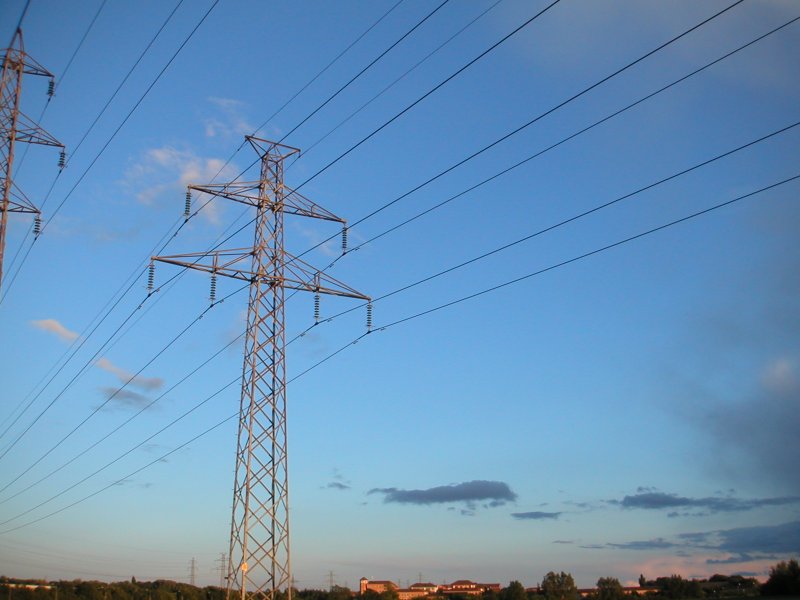
As trade talks between Ottawa and Washington collapsed, Ontario Premier Doug Ford warned that Canada could cut off electricity exports and critical minerals to the United States. It is the most concrete retaliatory threat made so far in the dispute, and also the least straightforward.
The grid does not stop at the border
North America’s electricity system is organised into interconnections that cross the international boundary rather than following it. Canadian provinces and American states are wired together, and power flows in both directions depending on season, time of day and price.
Canadian exports are largely hydroelectric, and they matter most to states in the northeast and upper midwest. Those exports are also commercially valuable to the exporting provinces, which is the first complication in using them as a weapon: the revenue that would be lost is provincial revenue.
The second complication is legal. Cross-border electricity trade runs on long-term contracts and is regulated on the American side by the Federal Energy Regulatory Commission and on the Canadian side by the Canada Energy Regulator. Contracts have terms, and terminating supply outside those terms raises the prospect of damages rather than leverage.
From Plain Sight News
Who actually controls the switch
Under Canada’s constitution, provinces own their natural resources and have primary jurisdiction over electricity generation within their borders. That is what makes a premier’s threat more than posturing: Ford is not asking Ottawa for permission in the way a US state governor would have to.
But international trade is federal. Constitutional scholars have long disagreed about where provincial control over a resource ends and federal authority over cross-border commerce begins, and this precise question has not been settled by a court in the circumstances now being discussed. Anyone stating confidently that a province either can or cannot lawfully do this is going beyond what the case law establishes.
Critical minerals are a slower lever
The minerals part of the threat works on a different timescale. Canada is a significant supplier of several inputs that matter to American manufacturing and defence production, and Ontario in particular has been positioning itself as a source of minerals used in batteries and electronics.
Restricting them would not cause an immediate shortage. It would raise costs, lengthen supply chains and push buyers towards other suppliers — which, from a Canadian perspective, carries the risk of permanently losing customers who find alternatives and do not come back. Export restrictions on raw materials tend to be effective in the short run and self-defeating in the long run, which is roughly the conclusion economists have drawn from similar episodes elsewhere.
From Plain Sight News
Why energy threats are made more often than they are carried out
Energy has a particular quality as a coercive tool: the threat is usually worth more than the act. Announcing that supply might be cut imposes cost on the other side immediately, through price and planning uncertainty, without the announcing party losing revenue. Actually cutting supply reverses that — the exporter starts losing money on day one, and the importer starts building alternatives.
It also crosses a line that is hard to uncross. Electricity is not a normal traded good; interrupting it affects hospitals, water treatment and heating. States on the receiving end would treat it as something closer to an act of hostility than a trade measure, and Canadian officials know that.
That is the most likely reading of Ford’s statement — a demonstration that Canada has options that hurt, made at a moment when Ottawa wants Washington to believe the cost of escalation runs both ways. It is not a prediction that the lights will go out.
From Plain Sight News
Leave a Reply