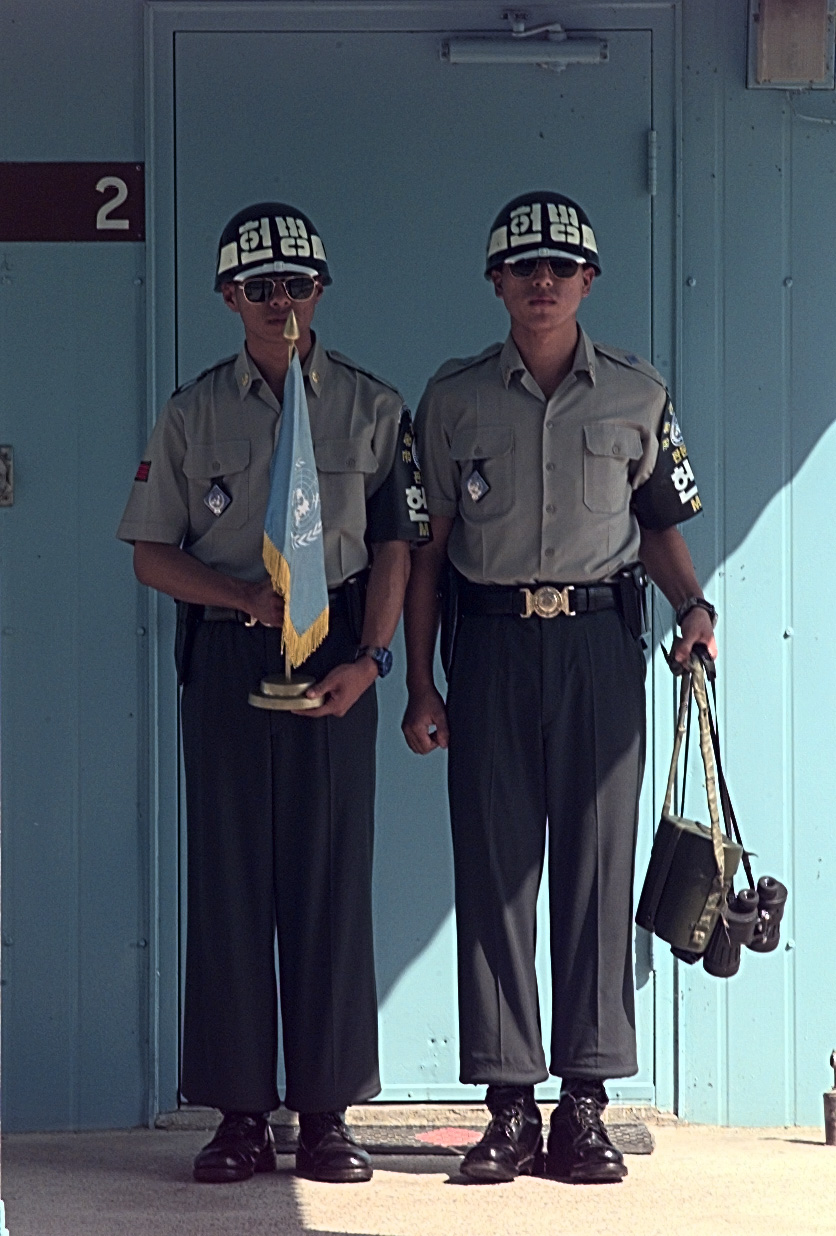
North Korea fired a ballistic missile towards the sea off the Korean peninsula’s east coast on the morning of 12 August, according to South Korean and Japanese authorities.
South Korea’s Joint Chiefs of Staff said the missile was launched from the Wonsan area at about 6am local time. It was the second launch from that same area in six days.
The timing is the point. The launch came days before the start of major joint military exercises by South Korea and the United States — the drills known as Ulchi Freedom Shield, which rehearse the response to an invasion from the North. Pyongyang has denounced these exercises for decades as preparation for invasion, and launches timed to precede them have become a fixture of the calendar.
Advertisement — ad space reserved
The wider context
Two things make this year’s cycle read differently from previous ones.
The first is the deepening military relationship between Pyongyang and Moscow, which both Kyiv and Seoul say is intensifying. What North Korea receives in return for what it supplies has been the subject of considerable speculation and limited hard evidence, but the concern in Seoul and Tokyo is technical: access to Russian expertise in missile guidance, re-entry vehicles or submarine technology would change the threat in ways that sanctions cannot easily reverse.
The second is that the launches have become routine enough to lose much of their diplomatic force. A ballistic missile fired into the sea before scheduled exercises now triggers a standard sequence: detection, statement, condemnation, no change. That is a form of normalisation, and it works in Pyongyang’s favour — each launch that produces no consequence widens the space for the next one.
Advertisement — ad space reserved
What is known and what is not
South Korean and Japanese authorities confirmed the launch and its general trajectory. Details on the missile type, range and whether it tested any new capability were not immediately released, and initial assessments in these cases are frequently revised as more data is analysed.
Neither Seoul nor Washington has indicated any change to the exercise schedule. The drills are expected to proceed.
Sources
South Korea’s Joint Chiefs of Staff, Japanese government statements, and reporting by Reuters and Asharq Al-Awsat.
Advertisement — ad space reserved
Leave a Reply