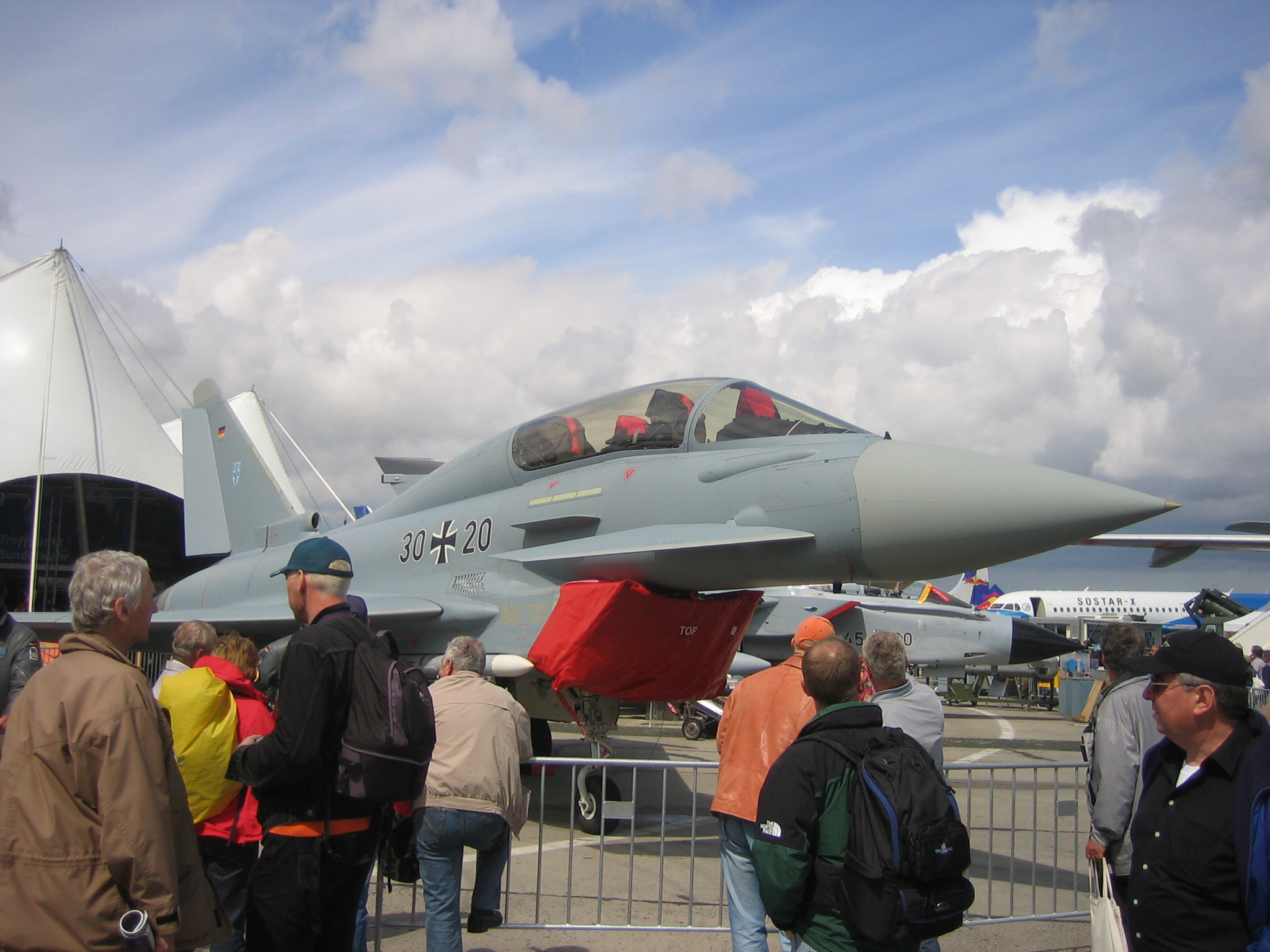
A Spanish fighter jet operating under NATO command shot down a drone that crossed into Romanian airspace overnight into Sunday 16 August. It was the second time in two days that the war in Ukraine has spilled into the territory of a NATO member.
Romania borders Ukraine along the Danube delta, close to the Ukrainian port infrastructure that Russian forces attack regularly. Drone debris has landed on Romanian soil repeatedly since 2023. What is different now is the frequency, and that jets are being scrambled to shoot things down rather than simply logging fragments after the fact.
Advertisement — ad space reserved
Why this is a different category of event
Everything else in this weekend’s exchange of strikes happened between two states at war. An armed drone entering Romanian airspace involves a third party bound by a mutual defence treaty.
NATO’s Article 5 holds that an armed attack against one member is an attack against all. It is worth being precise about what that does and does not mean. Article 5 is not automatic — it obliges members to consult and to take the action each deems necessary, which can range from a statement to force. And a stray or malfunctioning drone is not obviously an armed attack; intent matters, and intent is exactly what nobody can establish from wreckage.
The more relevant provision is Article 4, which any member can invoke to demand consultations when it believes its territorial integrity or security is threatened. Poland and the Baltic states have invoked it before over incidents of this kind.
The ambiguity is the risk
Long-range drones navigate imperfectly, are jammed by electronic warfare on both sides, and sometimes wander far off course. A drone over Romania is far more likely to be a malfunction or a jamming casualty than a deliberate probe.
But “more likely” is not “certain”, and the decision to fire has to be made in minutes by a pilot who cannot know the difference. Germany’s senior military leadership has said publicly that Russia is testing NATO’s defences with hybrid actions, which is a claim about intent that Moscow rejects. Both readings — accident and probe — produce the same radar track.
Advertisement — ad space reserved
What has changed since 2023
Early incidents were handled quietly: debris recovered, a diplomatic note, no shots fired. The current posture is more forward — enhanced air policing along the eastern flank, quicker scrambles, and a willingness to engage. That reduces the risk of something landing on a Romanian village and increases the number of occasions on which NATO aircraft fire live weapons near a war zone.
Neither posture is obviously right. Shooting down every stray drone normalises engagement and creates opportunities for miscalculation. Letting them fly on risks casualties on allied soil, which is precisely the scenario in which political pressure for a harder response becomes irresistible.
The practical consequence of two incidents in two days is that the eastern flank is now operating at a tempo where this will keep happening. That, rather than any single drone, is the development worth tracking.
Sources
AFP and France 24 reporting on the Romanian interception; the North Atlantic Treaty, Articles 4 and 5; statements by German military leadership reported by Reuters.
Advertisement — ad space reserved
Leave a Reply