Advertisement — ad space reserved
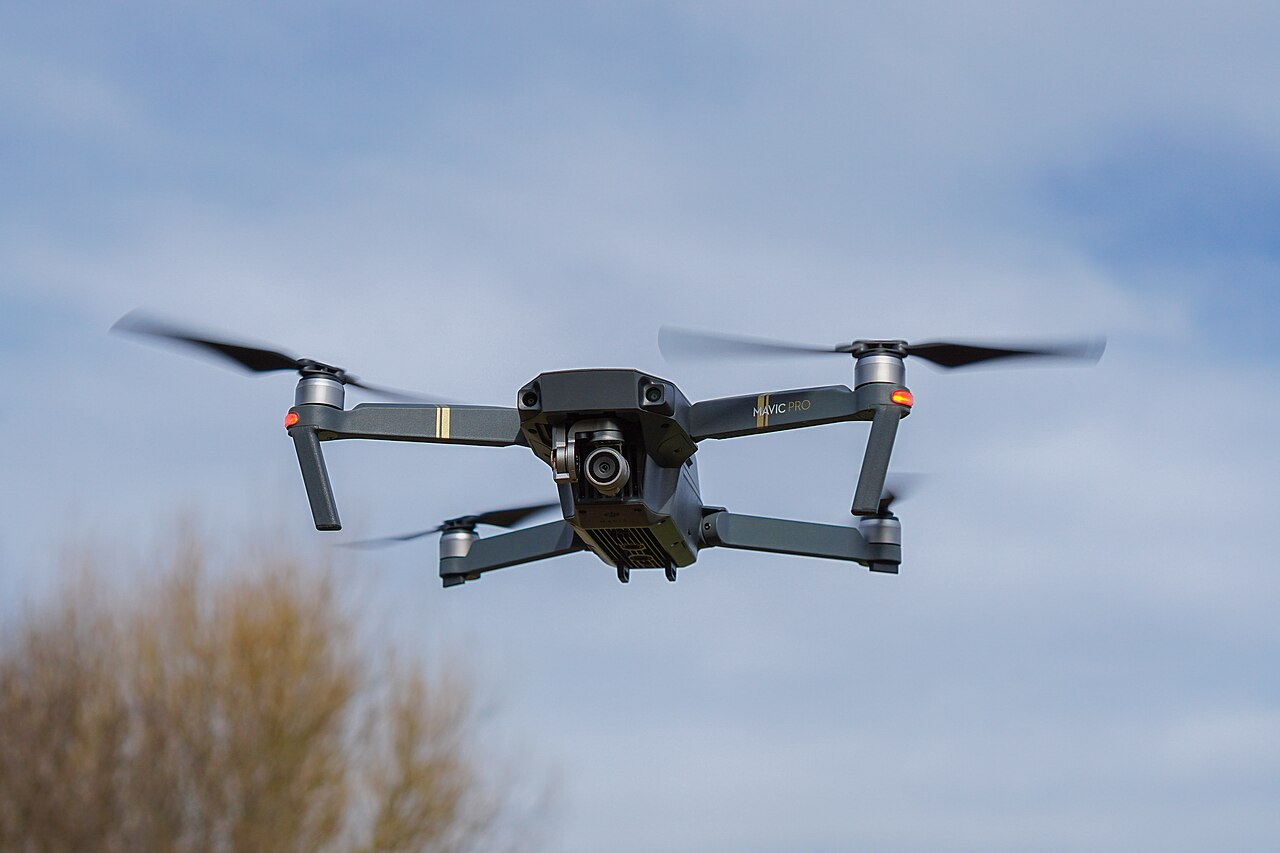
The drones that criminal groups across Latin America are using are not military equipment. They are the same quadcopters sold in electronics shops, fitted with a dropper mechanism and a grenade.
That is the fact that makes the trend hard to stop, and it is why conflict monitors have spent this year revising what they thought the ceiling was.
What the data records
The Armed Conflict Location and Event Data Project counted 37 deaths in incidents involving weaponised drones in Mexico in 2024, and 40 in 2025. By mid-July of this year the count stood at 17.
Those numbers are small next to Mexico’s overall homicide figures, and anyone arguing that drones are transforming the country’s violence should be held to them. What the fatality count understates is use: the Mexican military has reported hundreds of incidents involving drone-carried explosives in a single year, most of which injure nobody.
Elsewhere the picture varies. In Ecuador, ACLED logged eight drone incidents between September 2023 and mid-July this year, none causing deaths directly — gangs there have used drones mainly to drop explosives into prison yards and to deliver drugs and weapons through cell windows. In Brazil, the organisation recorded eleven drone-related incidents over roughly a year, and at least eight instances of gangs launching grenades from drones at security forces or rivals.
One Brazilian incident dominates the fatality figures: police raids on two Rio de Janeiro favelas in October last year, during which Comando Vermelho members dropped explosives on officers and civilians from drones. ACLED associates 121 deaths with that operation. Four were police. Police described the rest as suspects; relatives of some of the dead disputed that account.
That dispute matters for reading any of these numbers. A single contested operation can dominate a country’s annual total, and the classification of the dead is made by the same force that conducted the raid.
Advertisement — ad space reserved
The use nobody counts
Analysts who track this describe a use that produces almost no casualties and does most of the work: displacement.
A group that wants a family off a piece of land no longer has to send a gunman. It can fly a drone over the house and drop a small explosive once a day, or three times a day, until the family leaves. Nobody needs to be killed. Nobody is recorded as a fatality. The land changes hands.
This is the same logic we described in Michoacán, where extortion of the avocado economy moved rather than stopped when troops arrived. Coercion that works without killing anyone is coercion that leaves no trace in the datasets, and it is systematically underrepresented in every count of what armed groups do.
How fast the capability is moving
Mexico’s Jalisco New Generation Cartel has operated weaponised drones since around 2020 and, according to security researchers, maintains a dedicated drone operators unit with its own insignia. Most attacks still use hovering quadcopters that release a munition — often a hand grenade, sometimes an improvised device, occasionally a purpose-made drop munition. Aftermarket dropper mechanisms are sold openly online under harmless descriptions.
The newer development is first-person-view drones flown into a target and detonated on impact, the tactic that has defined the war in Ukraine. Open-source analysts identified what appeared to be the first confirmed cartel use of an FPV drone earlier this year.
Adaptation is running in both directions. A member of a Sinaloa Cartel faction has been photographed carrying a commercial counter-drone jammer retailing at around 100,000 dollars. Groups are now buying defences against each other.
Colombia recorded its first lethal drone attack in July 2024, which killed a ten-year-old boy. As we reported earlier today, Human Rights Watch now finds that armed groups there are giving recruited children the job of flying explosive drones — among the most dangerous tasks in the organisation, assigned to its most disposable members.
Advertisement — ad space reserved
The state response
Governments across the region are building counter-drone capacity at speed. Colombia’s army formed its first unmanned aircraft battalion in October 2025. Ecuador stood up a drone squadron that has flown more than 1,120 missions since the same month and joined a US-led counter-cartel coalition. Mexico has an army anti-drone unit, with the 2026 World Cup as an explicit deadline. In April the Pentagon established an autonomous warfare command under US Southern Command covering Latin America south of Mexico and the Caribbean.
The asymmetry in that build-up is the problem. Counter-drone systems are expensive, static and procured through defence contracts that take years. The threat they counter costs a few hundred dollars, is bought retail, and is replaced the same week it is lost.
Why this belongs in the underreported column
Individual drone attacks in Latin America are reported locally and almost never internationally. There is no single event large enough to command attention, and the aggregate exists only in datasets that specialist organisations maintain.
What that aggregate shows is a category change rather than an escalation: groups that were previously constrained by having to physically approach a target are no longer constrained that way. Whether that ultimately proves more significant than the fatality figures suggest is genuinely uncertain, and the honest answer is that the data is too young to say.
Sources
- Armed Conflict Location and Event Data Project, global analysis on drones in Latin America, 2 September 2026, and underlying event data
- Foreign Policy reporting on drone adoption by Latin American armed groups, August 2026
- Center for Strategic and International Studies, “Illicit Innovation”
- Human Rights Watch report on child recruitment in Colombia, August 2026
Advertisement — ad space reserved
Leave a Reply