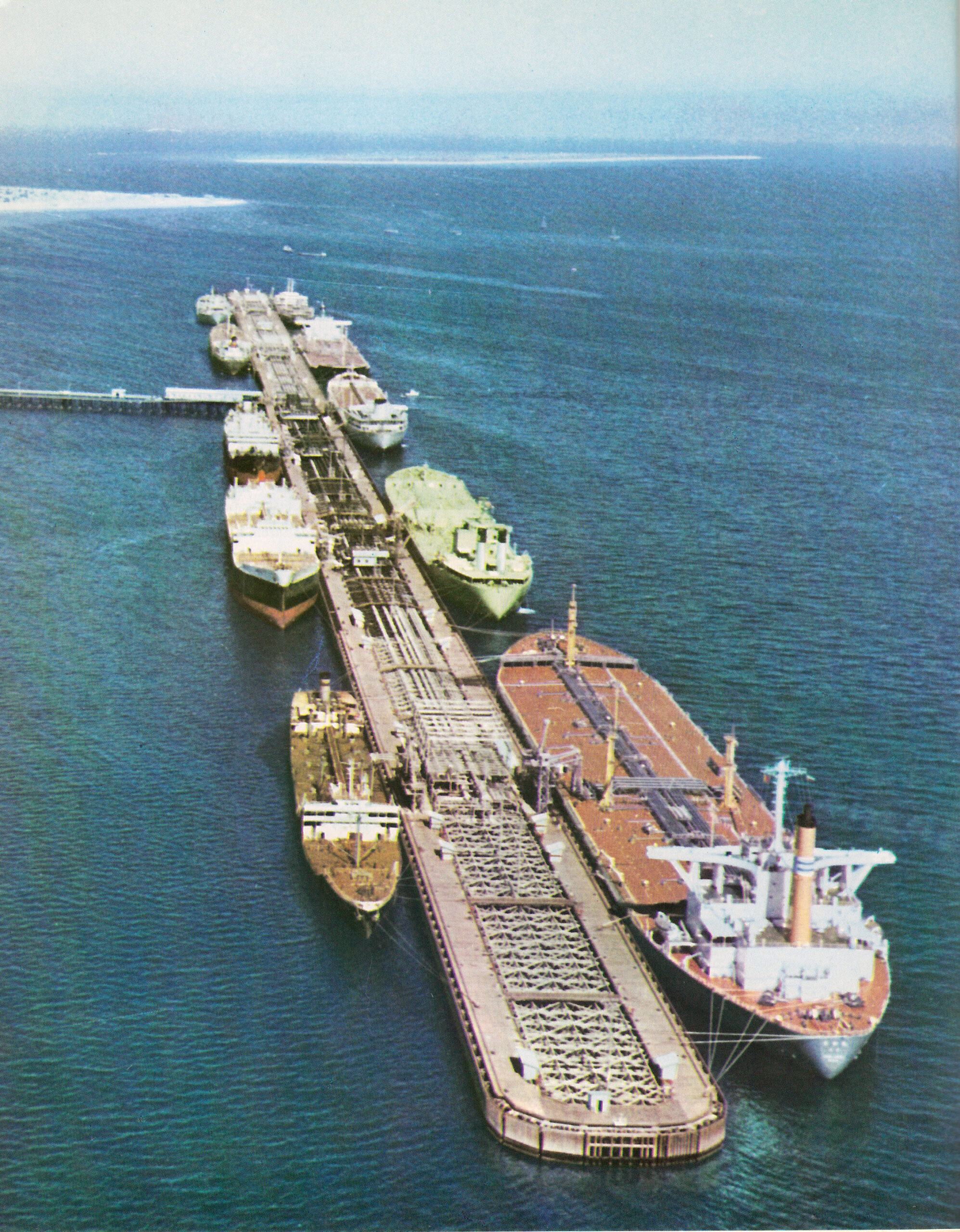
A tanker was hit by an unknown projectile in the Strait of Hormuz on Thursday, causing a fire that has since been extinguished, according to the United Kingdom Maritime Trade Operations centre. UKMTO reported no casualties and no environmental damage.
The attack came as diplomacy over the strait intensified without the two principal parties speaking to each other directly.
Talks that do not include the United States
Iran and Oman have outlined a proposal to jointly establish a temporary shipping channel through the Strait of Hormuz and to clear mines from the waterway, after weeks of negotiation. Oman’s foreign minister said he was hopeful the arrangement would soon be formalised, and described the framework as phased.
Washington, meanwhile, says it is not talking to Iran. That leaves the most consequential negotiation over a waterway the United States is militarily enforcing being conducted by two other governments.
Qatar voiced support for the Omani-Iranian effort on Tuesday, despite President Trump’s threat last week to attack Oman if it interferes with US operations in the strait. Pakistan’s army chief was in Tehran on Monday; Oman’s foreign minister visited on Tuesday.
From Plain Sight News
The corridor dispute
The sticking point is which water ships would use. Iran has said the proposed arrangement would close the UN-authorised southern shipping route running along Oman’s coast, which Tehran has long opposed, and route vessels through Iranian waters instead.
That is not a technical detail. Traffic separation schemes in the strait have operated under international arrangements for decades, and moving them into Iranian territorial waters would give Tehran a degree of practical control over transit that it does not currently possess in law. It is the core of what is being negotiated, and the reason a deal has not simply been signed.
The nuclear question reopens
Separately, the head of Iran’s Atomic Energy Organization, Mohammad Eslami, said Iran remains in a wartime situation and its nuclear sites have not been secured for inspection. He said the International Atomic Energy Agency cannot request inspections until a protocol is drawn up.
Eslami also criticised the agency directly, saying the struck facilities had been registered with the IAEA and subject to continuous inspection, and that the agency’s failure to protest or condemn the attacks called its competence and independence into question.
We look at what the IAEA can and cannot do in these circumstances in a separate explainer.
From Plain Sight News
The pressure track
White House Press Secretary Karoline Leavitt told Fox News and NewsNation on Thursday that the administration remains focused on increasing economic pressure on Iran, describing the country as being in a devastating place, with inflation over 100 per cent and an inability to pay its police.
Those are contested figures, and we examine them in a separate check.
Why this is difficult to report
Three cautions apply to almost everything published about the strait at the moment.
UKMTO reports what ships report. It receives and relays incident alerts from vessels; it does not investigate them or attribute responsibility. An “unknown projectile” means exactly that, and often stays unknown.
Negotiating positions leak selectively. Both Tehran and Muscat have reasons to describe progress optimistically, and neither has published a text.
And economic claims made by a party to a conflict about the other party’s economy are advocacy as well as information. That does not make them false. It does mean they should be sourced to someone else before being repeated as fact.
From Plain Sight News
Leave a Reply