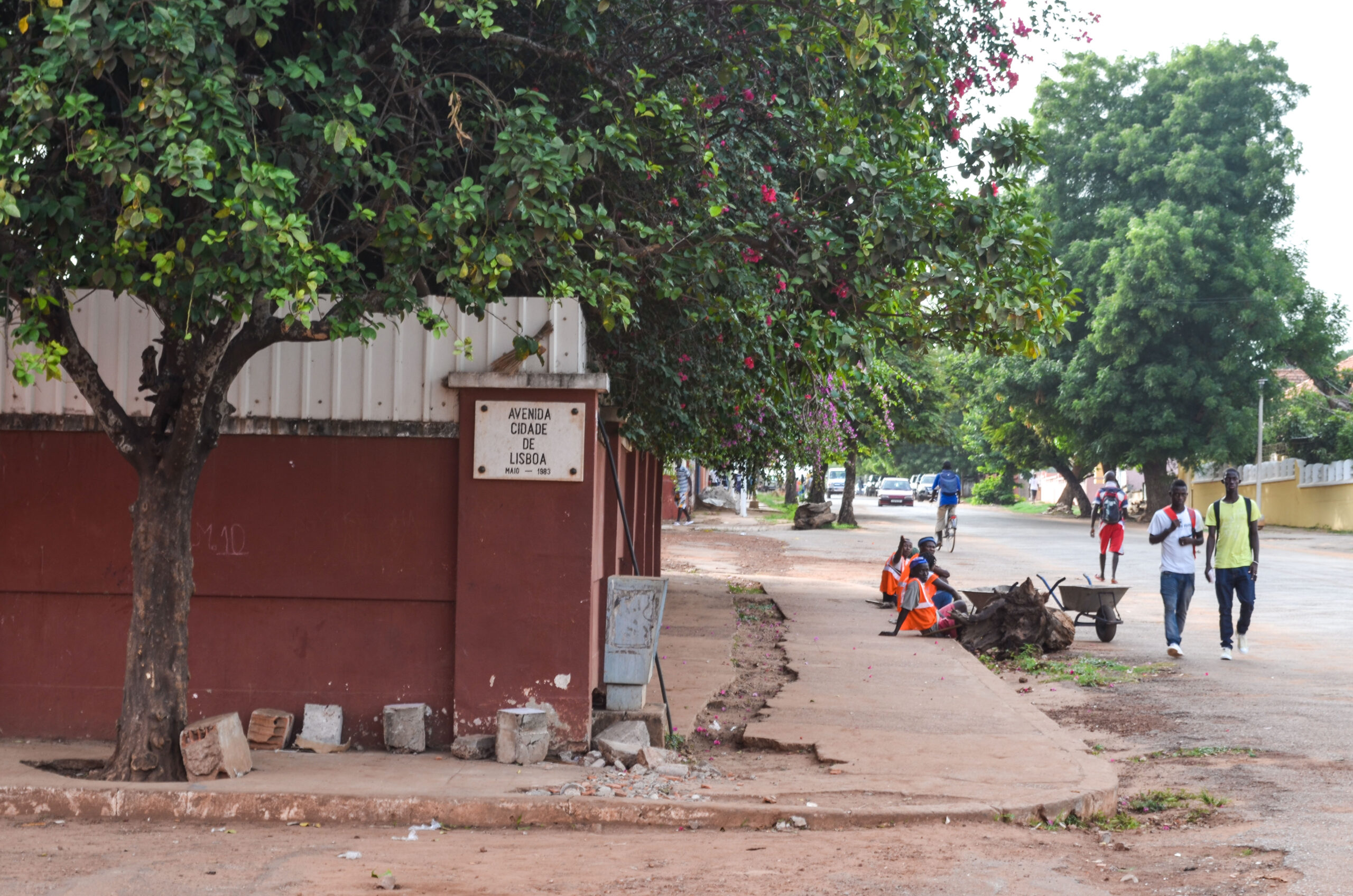
Guinea-Bissau went to the polls on Sunday to vote on a new constitution drafted under military rule. Counting began the same evening. The electoral commission said turnout exceeded 55 per cent and reported no incidents that would call the credibility of the vote into question. Results are expected on Tuesday.
Advertisement — ad space reserved
What the new constitution does
The text moves Guinea-Bissau from a semi-presidential system to a presidential one. Under the current arrangement the prime minister comes from the parliamentary majority, which has repeatedly produced governments where president and premier owe their positions to different constituencies and spend their terms fighting each other.
The proposed constitution ends that. It would allow the president to appoint and dismiss the prime minister and the cabinet, to create and abolish ministries, to chair the Council of Ministers, to dissolve parliament in the event of a grave political crisis, and to dismiss the government in defined circumstances. It would also shrink the National People’s Assembly from 102 seats to 65, and cut the number of electoral constituencies from 29 to 12.
The military council presents this as a fix for a specific, documented dysfunction: unclear division of powers between president and prime minister, and institutions too weak to survive a disagreement. That diagnosis is not invented. Guinea-Bissau has had five coups since 1980 and a long record of governments collapsing mid-term.
The objection
Critics make a different argument, and it is not mainly about the text. The African Party for the Independence of Guinea and Cape Verde — PAIGC, the country’s dominant historical party — called for a boycott, citing restrictions on public freedoms, the closure of party offices and exclusion from the referendum campaign.
The general form of this objection, made by researchers who study transitions after coups, runs roughly as follows: a constitution written by the people holding power, put to a vote in which their opponents cannot campaign, tends to produce an office shaped for whoever intends to occupy it. The Africa Center for Strategic Studies, in an explainer published days before the vote, framed the referendum as a step designed to lay the legal groundwork for the December elections rather than as a neutral constitutional exercise.
The counter-argument, which the transitional authorities and some regional analysts make, is that a country cannot hold credible elections under rules nobody agrees on, and that sequencing a constitution before a vote is normal rather than sinister. Both positions are consistent with what has happened so far. What separates them is a prediction about December.
Advertisement — ad space reserved
How the country got here
On 26 November 2025, the defence chief of staff, General Horta Inta-A Na Man, led a coup while the National Electoral Commission was still counting ballots from the presidential election. The military subsequently destroyed ballots and detained opposition political leaders.
That detail — the count interrupted mid-tally — is why the December elections carry the weight they do. The country has never been told who won the last presidential vote. In January the junta issued a decree setting presidential and legislative elections for 6 December 2026, on the stated basis that conditions for a free and transparent vote had been met. Guinea-Bissau’s electoral law prohibits the publication of opinion polls, so there is no public measure of where opinion actually stands.
Why a boycott complicates the reading
Turnout above 55 per cent is respectable for a referendum. It is also difficult to interpret when the largest opposition party has told its supporters to stay home. A high Yes share in that situation can mean broad approval, or it can mean the electorate that turned out was the electorate inclined to approve. Both explanations produce the same number.
This is a recurring problem in reporting on referendums held under transitional governments. The honest position on Tuesday will be to publish the result, publish the turnout, and note the boycott in the same breath — not to treat the percentage as a settled measure of national consent, and not to dismiss it as meaningless either.
What to watch next
Three things. Whether the December date holds. Whether the opposition offices reopen and PAIGC is permitted to campaign. And whether the man who led the November coup ends up as a candidate for the presidency the new constitution has just enlarged — the question that, in comparable transitions elsewhere in West Africa, has usually decided how the whole exercise is remembered.
Advertisement — ad space reserved
Related: It Was a Mutiny, and the Soldiers Came From the Worst-Hit Region.
Sources
Turnout and polling-day reporting via People Daily and Africa Press; provisions of the draft constitution and background on the November 2025 coup from the Africa Center for Strategic Studies.
Leave a Reply