Advertisement — ad space reserved
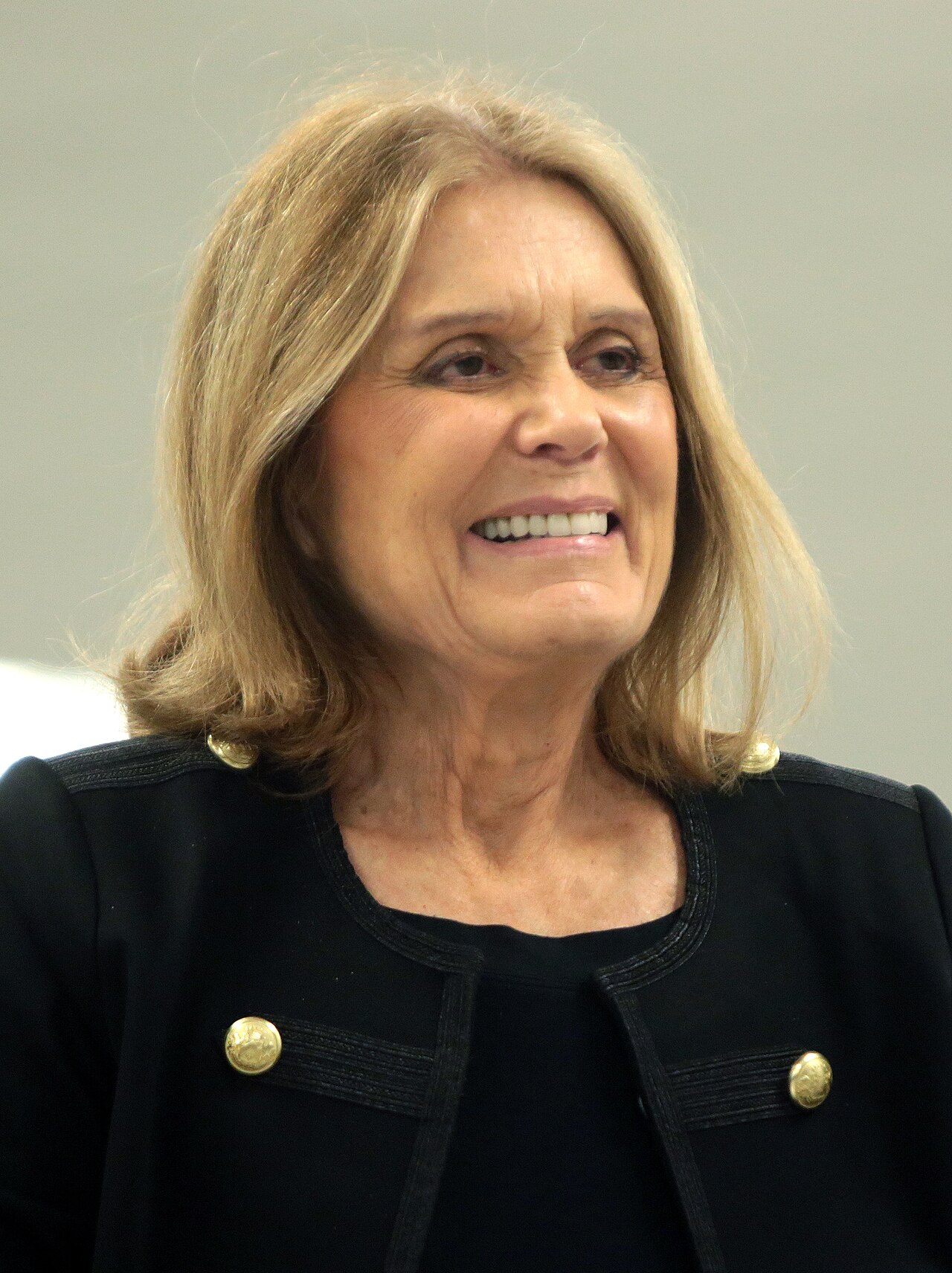
Gloria Steinem, the American journalist who became the most recognisable figure of second-wave feminism and co-founded Ms. magazine, has died at the age of 92.
She was born in Toledo, Ohio, on 25 March 1934, and educated at Smith College.
She was a reporter first
The obituaries will lead on activism, and that is fair, but Steinem’s method came out of journalism and it shaped everything that followed.
Her early reputation was built on undercover reporting — most famously an assignment working as a Playboy Club waitress, which produced an account of the working conditions, pay arrangements and physical requirements imposed on the women employed there. It was a labour story told from inside, and it established a technique she used repeatedly: describe the mechanism, let the reader draw the conclusion.
She wrote for New York magazine before co-founding Ms. in 1972. The significance of Ms. was structural as much as editorial. Women’s magazines at the time depended on advertising from companies whose products the editorial pages were expected to flatter. A publication that intended to cover politics, law and work rather than homemaking had to solve a business problem before it could solve an editorial one, and much of the magazine’s history is the story of that difficulty.
Advertisement — ad space reserved
What she campaigned on
Steinem’s public work spanned six decades: the Equal Rights Amendment, abortion rights, and opposition to the Gulf War among much else. In 2005 she founded the Women’s Media Center with Jane Fonda and Robin Morgan, an organisation concerned specifically with women’s representation and authority within media institutions rather than with coverage of women as a subject.
In 2015 she joined a group including the Nobel peace laureates Mairead Maguire and Leymah Gbowee in crossing the demilitarised zone from North Korea into South Korea, a demonstration that drew criticism as well as attention — the recurring pattern of a career conducted largely in public.
The criticism, which she outlived and sometimes accepted
An honest account has to record that Steinem was contested from several directions throughout her life, and that some of the criticism came from within the movement she represented.
Black feminists and women of colour argued for decades that the second-wave movement she symbolised centred the concerns of white, college-educated women, and that its account of what women wanted did not describe the working lives of most of them. Conservatives argued she was hostile to family life and to women who chose it. Later generations of feminists disputed her positions on several questions and, at times, her assumptions about younger women’s politics.
Steinem publicly acknowledged errors on some of these points during her lifetime. Which of the criticisms hold is not something a news article should adjudicate on the day someone dies, but omitting that they exist would produce a less truthful obituary rather than a kinder one.
Advertisement — ad space reserved
What is left
The changes Steinem’s generation argued for — credit in a woman’s own name, employment protections, the legal treatment of rape and domestic violence, the assumption that a woman would work — are now so embedded in most Western legal systems that they are difficult to see as achievements at all.
They are also, in several jurisdictions, contested again. She lived long enough to see reproductive rights she had campaigned for withdrawn in parts of her own country, which is a fact about her life rather than a comment on it.
She was married to David Bale from 2000 until his death in 2003.
Sources
- Democracy Now headlines, 3 September 2026
- Women’s Media Center biographical materials
- Gloria Steinem Papers, Sophia Smith Collection, Smith College
Advertisement — ad space reserved
Leave a Reply