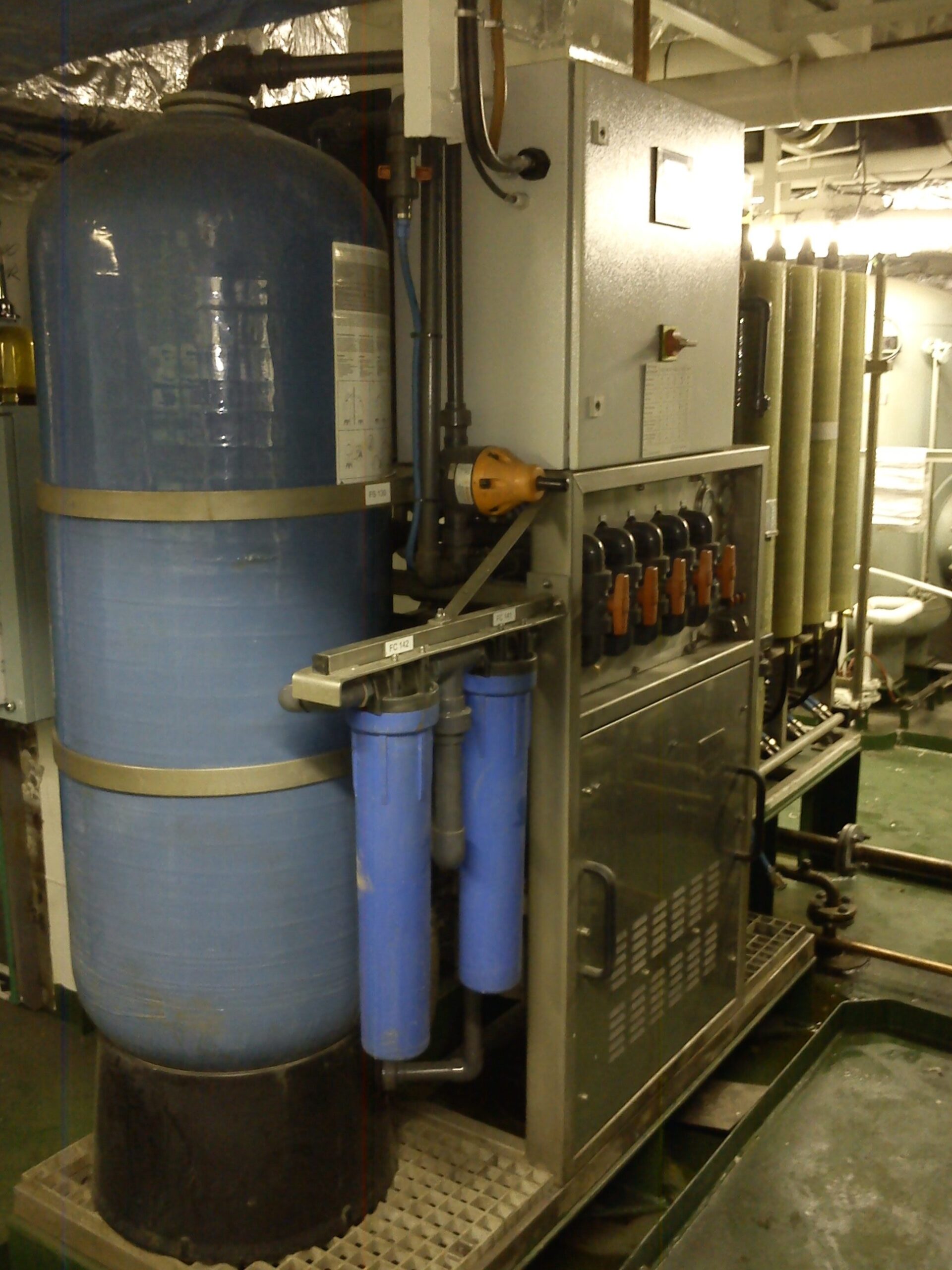
Israeli aircraft struck a water desalination plant, a mosque and tents housing displaced people across the Gaza Strip on Monday, according to Palestinian civil defence and local officials. Accounts of the death toll ranged from five to seven, including at least two children.
The Israeli military disputes the central claim. Asked about the desalination facility, it told AFP that it had not targeted the plant, but a nearby Hamas weapons storage site — one of two it said it struck on Monday, both located inside mosques and used, it said, as shelter by Hamas operatives. The military and Shin Bet said warnings were issued to civilians beforehand.
Plain Sight News cannot independently verify either account. Both are set out here because the disagreement is the substance of the story, not a detail within it.
What each side says happened
A security source in Gaza City told AFP that three missiles hit a desalination plant in the Sheikh Radwan neighbourhood and destroyed it. Hamas spokesman Hazem Qassem said the strike was a further attempt to deprive Gazans of the means of survival. Separately, the Abu Salim mosque in Deir al-Balah was reported destroyed, and a prayer hall in the Al-Shati camp damaged.
Civil defence, which operates under the Hamas-run authorities, reported two people killed when a tent was bombed in Deir al-Balah, a four-year-old boy killed in the Bureij refugee camp, one person killed and five injured in Khan Younis, and a ten-year-old girl killed by artillery fire north of Khan Younis. On the last incident the Israeli army told AFP it had no knowledge of it.
One resident, standing at the damaged mosque, told reporters the building had been there his whole life — he is about 48 — and said the strikes appeared indiscriminate.
From Plain Sight News
Why water infrastructure is treated differently
International humanitarian law gives specific protection to objects indispensable to the survival of the civilian population — drinking water installations and supplies are named explicitly in Additional Protocol I to the Geneva Conventions. Attacking, destroying or rendering them useless for the purpose of denying sustenance to civilians is prohibited.
The protection is not absolute in every reading. Disputes in practice turn on whether a facility was being used for military purposes, and on the assessment of proportionality between expected military advantage and expected civilian harm. That is precisely why the Israeli military’s framing matters legally: a weapons depot inside a mosque is, in its account, a military objective; a desalination plant is not.
Places of worship also carry protection as cultural property and as civilian objects, and lose it only if used for military purposes — and even then attacks remain subject to proportionality and precaution.
The context of water in Gaza
Gaza’s own groundwater has long been unfit to drink in most of the territory, over-extracted and contaminated by seawater intrusion. Desalination and piped supply have therefore carried a disproportionate share of what people actually drink. Damage to a single plant in that context has effects far beyond the building.
Monday’s strikes came despite the ceasefire agreed last October. According to figures cited by Democracy Now!, Israeli forces have killed nearly 1,300 Palestinians in Gaza since that agreement — a figure drawn from Gaza’s health authorities, which Israel disputes and which independent researchers have generally found broadly credible in past phases of the war while noting they do not distinguish combatants from civilians.
From Plain Sight News
What would settle it
Three things, none of which exist yet in the public record: independent inspection of the site to establish what was hit and what it contained; the targeting assessment made before the strike, which is held by the Israeli military; and confirmation of the evacuation warnings said to have been issued, including their timing and reach.
Until then, readers are being asked to choose between two accounts on the basis of who they already believe. That is not a satisfactory position, and saying so is more honest than picking one.
From Plain Sight News
Sources
- Arab News / AFP, including the Israeli army’s response on the desalination plant, 25 August 2026
- Haaretz, on the IDF and Shin Bet statement about weapons storage inside mosques, 24 August 2026
- Democracy Now!, on casualties and the post-ceasefire toll, 25 August 2026
- Arab News, on the destruction of the Abu Salim Mosque in Deir Al-Balah, 25 August 2026
Leave a Reply