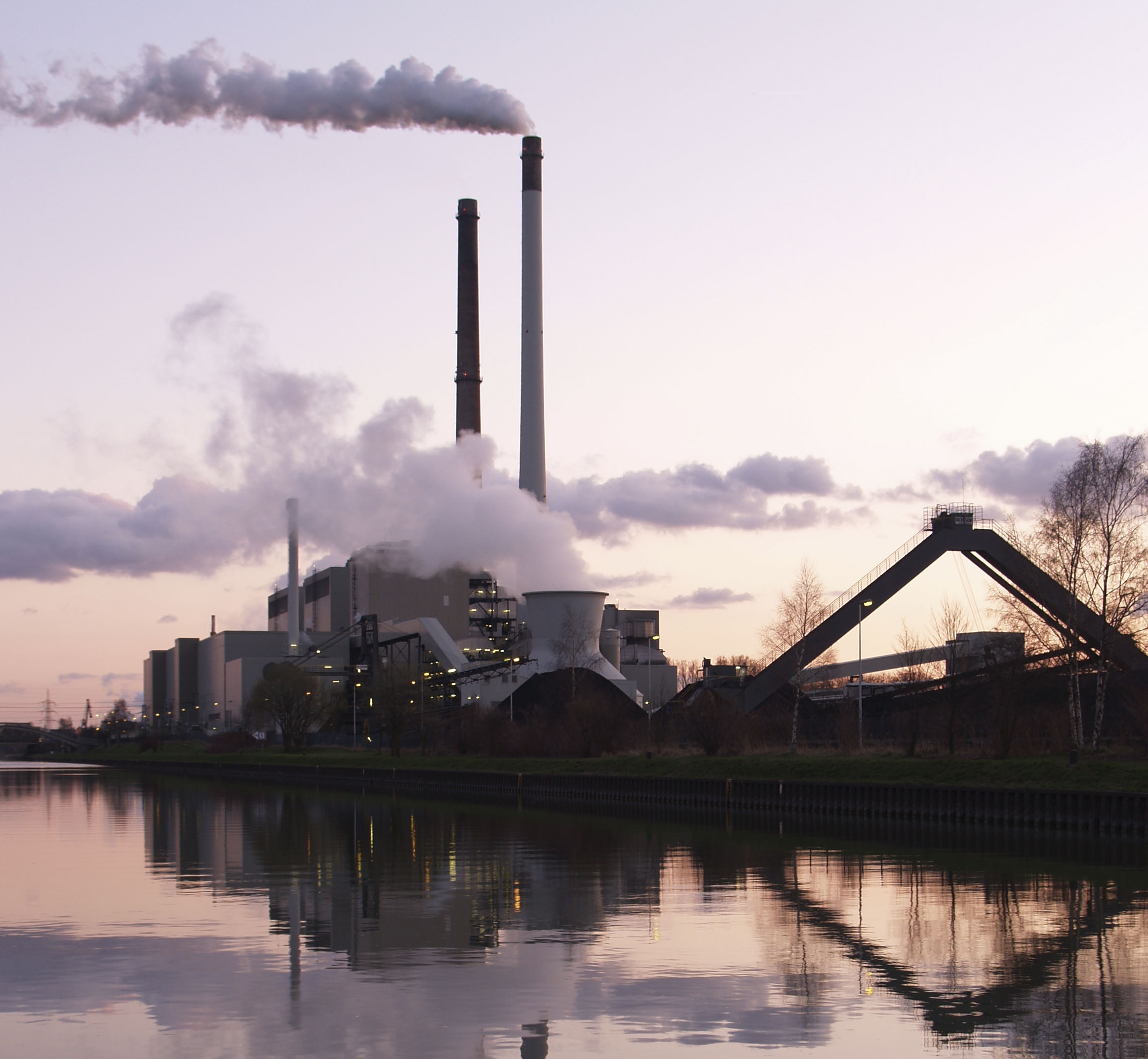
Fifteen countries spend more public money subsidising fossil fuels than they spend on their entire national health budgets. That figure comes from United Nations reporting on the health effects of climate change, published alongside estimates that heat-related causes account for an average of around 546,000 deaths a year.
The same reporting estimates that around 124 million additional people faced food insecurity in 2023 because of droughts and heatwaves.
Advertisement — ad space reserved
What a fossil fuel subsidy is, and why the number varies
This is where care is needed, because the same phrase describes two quite different things and the resulting figures differ by an order of magnitude.
An explicit subsidy is direct: a government pays part of the cost of fuel, so consumers pay below market price. Fuel price caps and direct payments to producers are explicit subsidies, and they appear in budgets.
An implicit subsidy is the value of costs a fuel imposes that its price does not cover — air pollution damage to health, climate damage, congestion. Institutions including the IMF include these when producing the very large global subsidy totals that circulate in climate coverage.
Both are legitimate concepts, but only the first involves money a finance ministry actually spends. A comparison with a health budget is meaningful for explicit subsidies and is comparing unlike things if implicit costs are included. Readers encountering this statistic should check which is meant, and coverage frequently does not say.
Why governments do it anyway
The case against fuel subsidies is well established among economists across the political spectrum: they are expensive, they mostly benefit wealthier households who consume more fuel, they encourage consumption of the thing causing the damage, and they crowd out spending on health and education.
The reason they persist is not that governments are unaware of this. It is that removing them is politically dangerous in a specific and predictable way. Fuel price increases are immediately visible, affect everyone daily, and hit transport and food costs at once. Subsidy removals have triggered serious unrest in numerous countries, and several governments have reversed course within days.
There is also a genuine equity argument on the other side. In countries with limited social protection systems, a fuel subsidy is a blunt instrument that nonetheless reaches poor households who have no other cushion. The technically correct answer — remove the subsidy and compensate poorer households directly — requires functioning transfer systems and reliable identification of recipients, which is precisely what many of the countries concerned lack.
Advertisement — ad space reserved
How a heat death gets counted
The 546,000 figure deserves explanation, because heat rarely appears on a death certificate.
Most heat mortality is estimated statistically, by comparing deaths during hot periods with expected deaths for that population at that time of year. The excess is attributed to the heat. The method is well established and is the same approach used to estimate influenza and pandemic mortality.
Its logic is that heat mostly kills by worsening existing conditions. A person with heart or kidney disease dies during a heatwave and the certificate records the underlying condition. Counting only certificates that say heatstroke would miss almost all of it.
The method’s limitation is that it produces an estimate with a confidence interval, not a count of identifiable people, and the result depends on the baseline chosen. This is a reasonable thing to scrutinise. It is not a reason to treat the deaths as unreal, and the same technique is accepted without controversy in other areas of public health.
What the juxtaposition is doing
Setting subsidy spending against health spending is a rhetorical construction as well as a factual one, and it is worth being clear about that.
The claim is not that the money would otherwise have gone to hospitals. Budgets do not work that neatly, and a government that stopped subsidising fuel might spend the savings on anything or nothing. The point being made is narrower: that these countries are spending more to lower the price of the fuels driving heat mortality than they spend treating its consequences.
That remains a striking fact. It is more useful when readers can see how it was constructed than when it arrives as a slogan — which is also the case for many of the figures around energy pricing, as we found reporting on the true cost of electricity in Nigeria.
Advertisement — ad space reserved
Sources
- United Nations climate reports collection, including material on climate change and health, 2026
- World Health Organization material on heat and health
- International Monetary Fund working papers on explicit and implicit fossil fuel subsidies
- Published epidemiological literature on excess mortality estimation
- Our report on Nigeria’s grid and the hidden cost of electricity, 7 September 2026
Leave a Reply