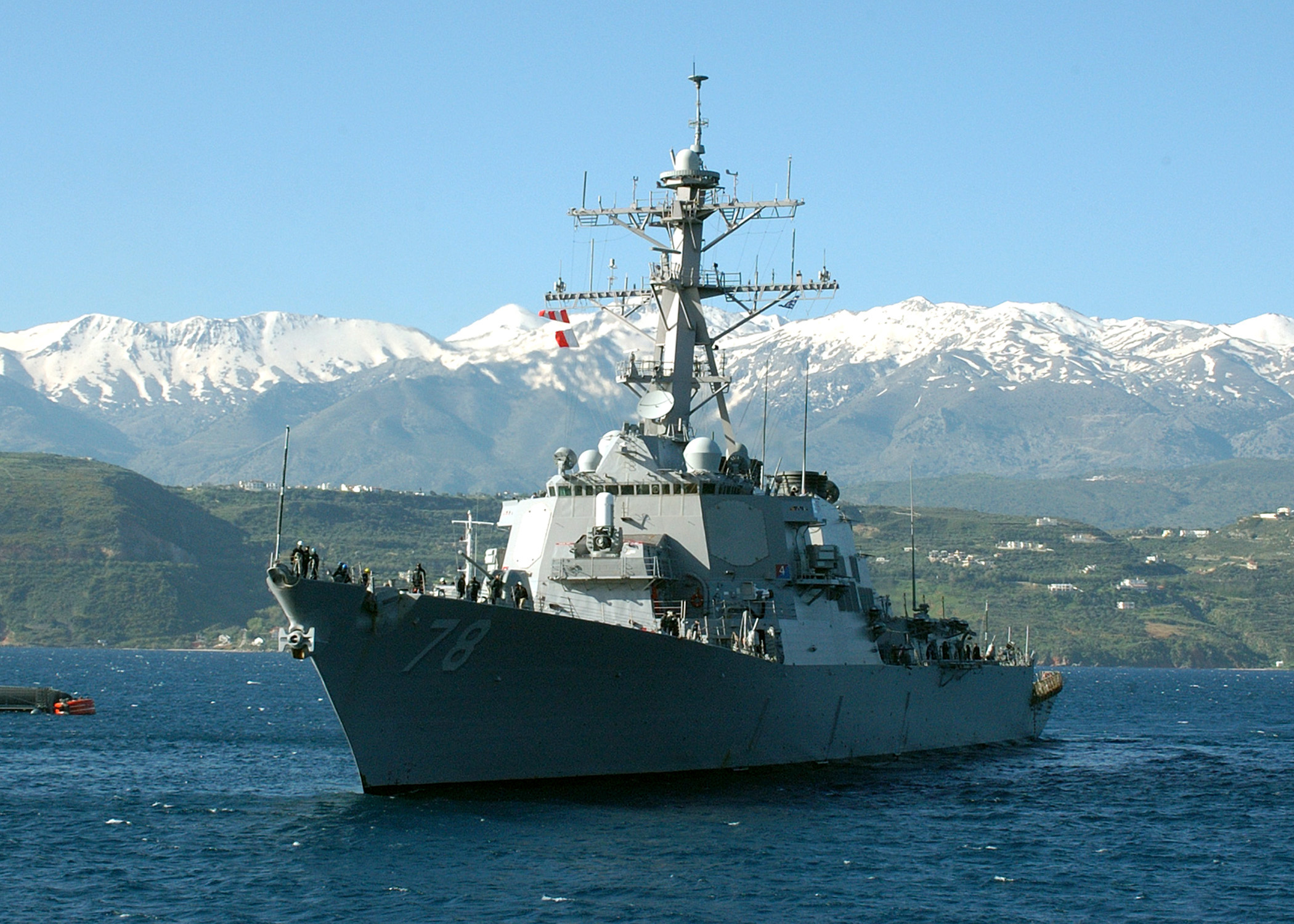
United States Central Command says it has redirected 55 vessels linked to Iran since reinstating a naval blockade in July.
“Redirected” is doing a great deal of work in that sentence, and it is worth unpacking.
Advertisement — ad space reserved
What a blockade actually involves
A naval blockade is an operation to prevent shipping reaching or leaving a state’s ports. In practice it means warships and aircraft monitoring a defined area, identifying vessels, and intercepting those judged to be carrying prohibited cargo.
Interception ranges from a radio query, through boarding and inspection, to seizure of a ship and its cargo. Most encounters end at the first or second stage — which is what “redirected” generally describes: a vessel told to change course, and complying.
That figure of 55 therefore tells you about deterrence and compliance rather than confiscation. It is not 55 seizures.
The legal position
Blockade is a recognised concept in the law of armed conflict, with conditions attached: it must be declared and notified, applied impartially to all states’ shipping, and must not have the sole purpose of starving a civilian population or denying it objects essential to survival.
Those conditions are contested in most real cases, and this one will be no exception. States conducting blockades describe them as lawful measures against a belligerent; states subject to them describe them as collective punishment. Both arguments are made in every instance.
There is also the question of what counts as “linked to Iran”. Ownership in international shipping runs through shell companies, flags of convenience and layered charters — the same structures we described in what a shadow fleet is. Establishing a link is an intelligence judgement, and it is not one an outside observer can check.
Advertisement — ad space reserved
The economics of it
Blockades rarely stop trade outright. They make it slower, riskier and more expensive, and the effect shows up as a discount rather than an absence.
A buyer taking on the risk of an intercepted cargo demands compensation for that risk, so the seller receives less per barrel. Intermediaries take a cut for arranging concealment. Insurance either costs more or is unavailable, which pushes the trade towards operators willing to sail uninsured.
The revenue reduction is real. So is the side effect: pushing cargo into the hands of the least regulated operators, with older ships and thinner safety margins — as the tanker currently leaking off Oman illustrates.
Why the figure was published
Military commands release numbers like this deliberately. A figure demonstrates activity to domestic audiences, signals capability to the other side, and reassures allies that an operation is functioning.
That does not make it untrue. It means the number was chosen, and that the metrics not published — how many vessels got through, what volume still moves — would tell a different part of the story.
For readers, the useful habit is to ask what a published figure is measuring, and what it would look like if the operation were failing. If both answers look similar, the number is not evidence either way.
Source: Middle East Eye, 10 August 2026.
Advertisement — ad space reserved
Leave a Reply