Category: Law & Courts
-

A federal court held that judicial immunity protects a judge accused of outsourcing a ruling to AI. That is not the same as saying judges may do it — immunity blocks a civil suit and leaves appeals, discipline and court rules entirely intact.
-
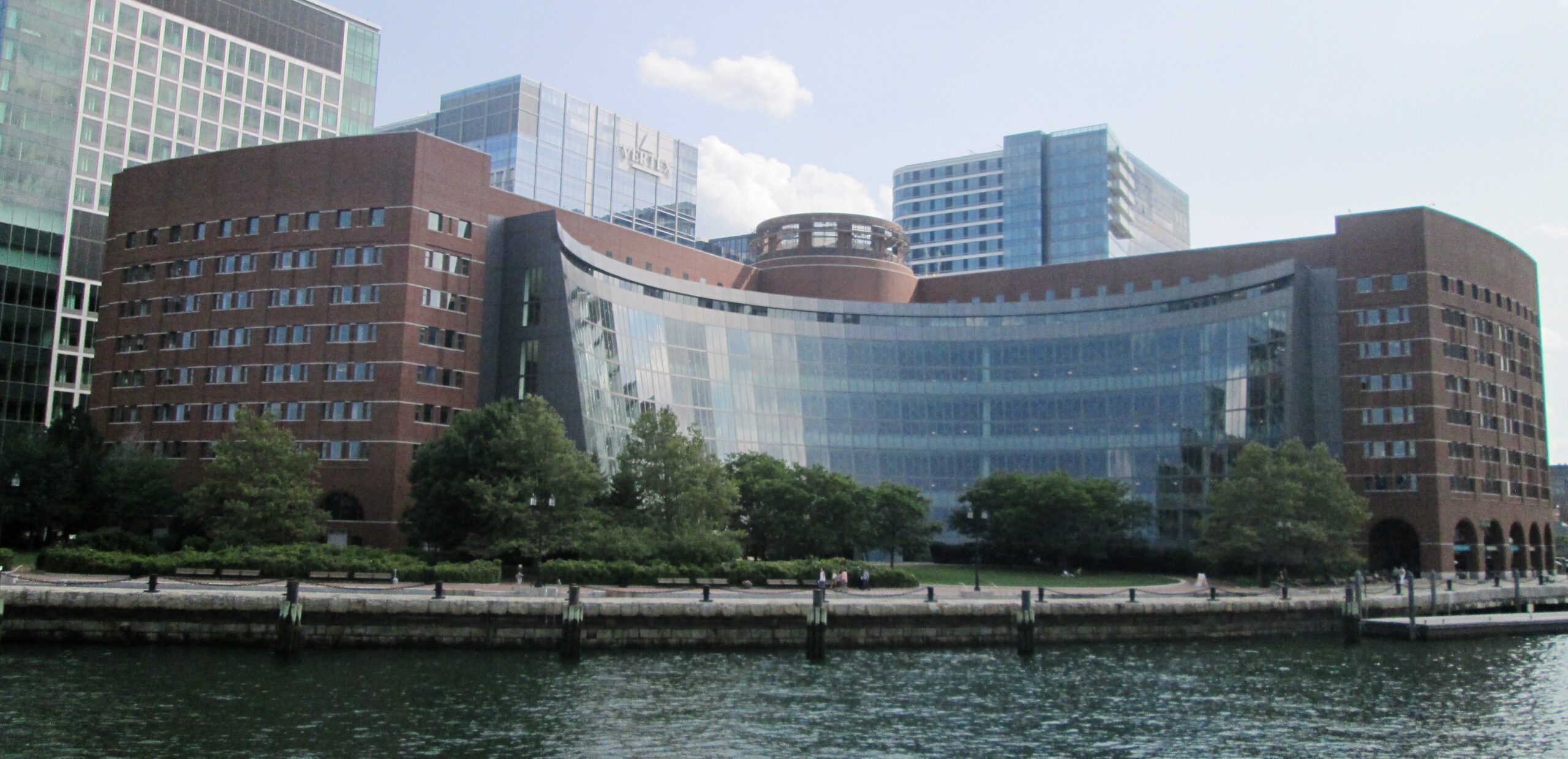
A federal judge struck down the last six-figure H-1B charge in June, holding that only Congress can levy a tax. The new fee comes through regulation instead of proclamation — slower, but built to survive the objection that killed the first one.
-

After a pause of more than two months, US Southern Command has resumed destroying boats it says carry drugs, killing two people in the eastern Pacific. The campaign has killed at least 223 people. The legal reasoning behind it remains classified.
-
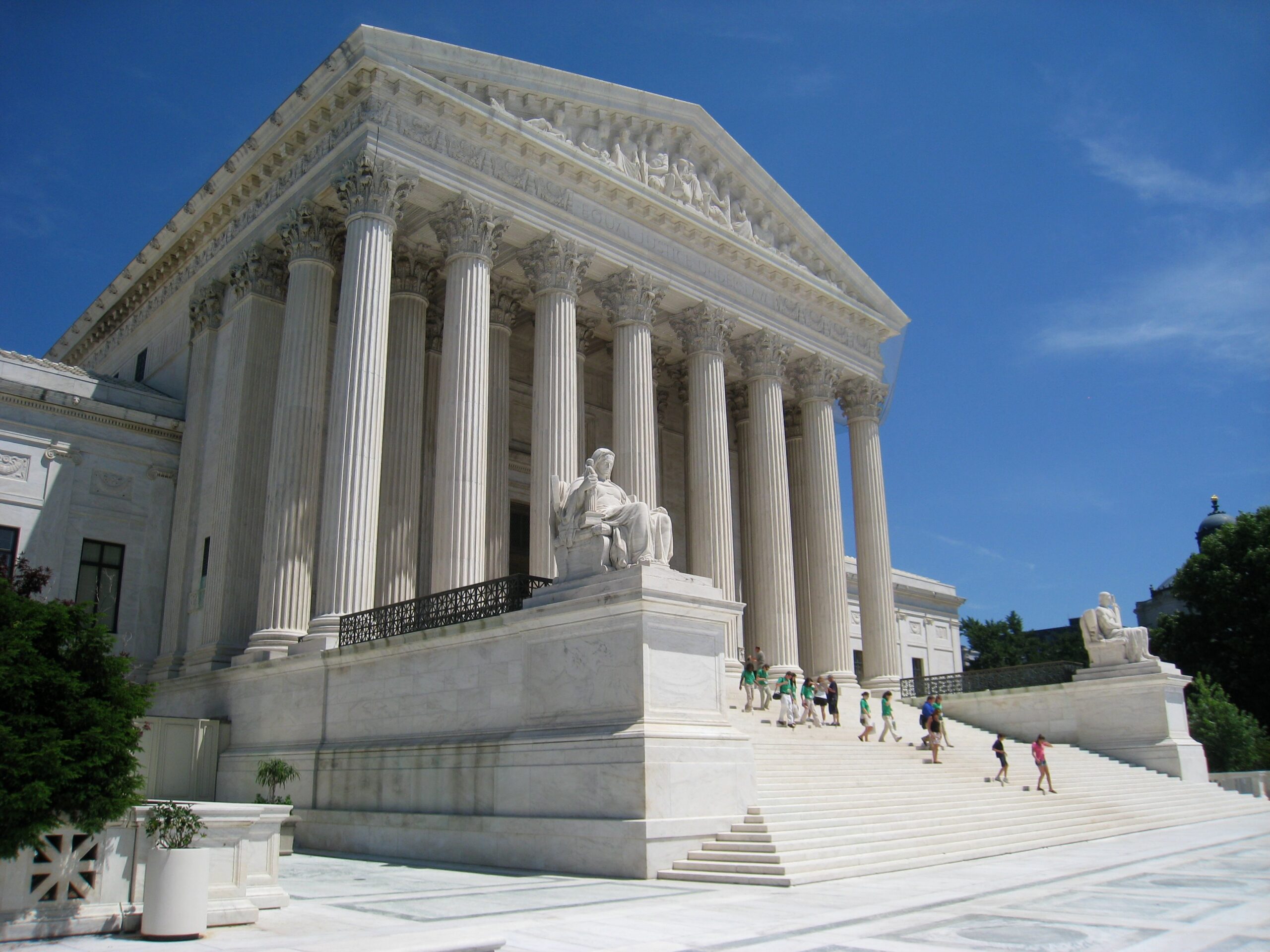
In an unsigned 6-3 order, the US Supreme Court lifted a judge’s injunction against the president’s executive order on mail voting. The ruling turned on whether the challenge came too early — not on whether the order is lawful. A second injunction is still standing.
-

Four people were killed, including the perpetrator, at a daycare and a house in Hopkins, Minnesota. Why we are withholding the name and the method, what is worth reporting instead, and why incident counts differ so wildly between sources.
-

Nine CJNG members were arrested in a military operation in Michoacán, including a man said to have run cartel training camps. Why that phrase matters more than the arrest count, and what two decades of leader-removal has actually produced.
-
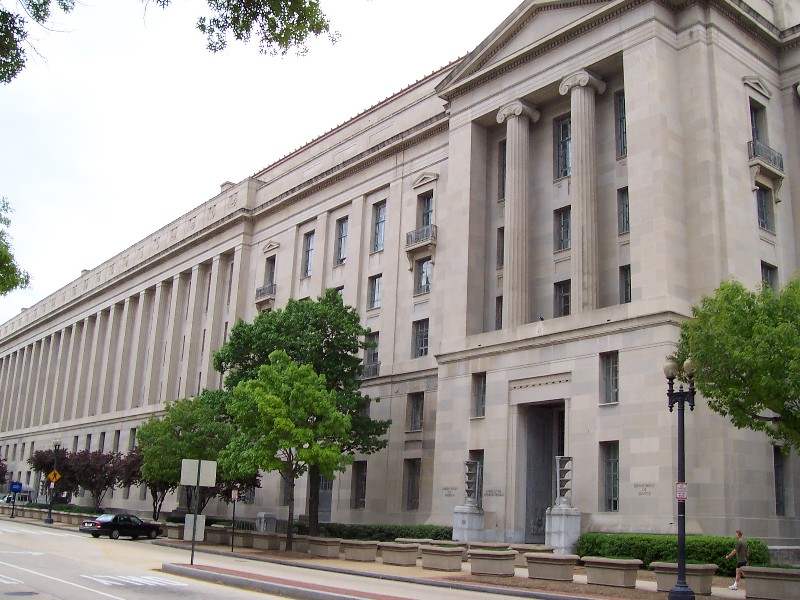
TikTok and ByteDance will pay $400 million to settle a Justice Department lawsuit over children’s privacy. What COPPA actually requires, why the payment is split $300m and $100m, why no wrongdoing is admitted, and what a settlement does and does not establish.
-

The FBI has arrested a woman over an alleged plot against the New York State Capitol. How the law prosecutes an attack that never happened, why implausibility is not a defence, and the contested role of undercover operations.
-

The operator of the boat that capsized near the Statue of Liberty faces thirteen counts of reckless endangerment. Why the count matches people at risk rather than people harmed, what “reckless” means in law, and the pattern behind small-boat disasters.
-

Lebanon’s parliament has voted to abolish the death penalty, moving the country from abolitionist in practice to abolitionist in law. Why that distinction matters, what happens to existing sentences, and the arguments on both sides.