Category: Artificial Intelligence
-

The Chapel Hill ministerial closed with a consensus statement and China’s signature. A text both Washington and Beijing can sign is a text that binds neither — and the clearest call for safety testing came from a frontier lab, not a government.
-

At a G20 ministerial in Chapel Hill, the United States is asking the world’s largest economies to commit to not building AI regulators. France and Germany are bound by an Act that already created them.
-

The president posted an AI-generated image of Kharg Island being destroyed; the vice president called it a message to Iran. The new AI labelling laws have nothing to say about it — they were built for a different problem.
-

EU rules now require AI providers to publish what they trained on, including whether copyrighted material was ingested. Publishers spent August reading those summaries. Lawyers expect the filings to start in September.
-

On 2 August, California’s AI Transparency Act and the EU AI Act’s transparency rules took effect on the same day. Both demand a machine-readable answer to one question: did a machine make this? A month on, here is what actually changed.
-

A San Francisco judge found the Pentagon’s blacklisting of Anthropic illegal and retaliatory. The company had refused to let its models be used for autonomous weapons or domestic surveillance. The wider question — who sets the limits on military AI — is still open.
-

Ten long-open mathematical problems were published this month with machine-checkable proof certificates attached. That is a different kind of claim from a benchmark score — and a useful standard to hold other AI announcements against.
-
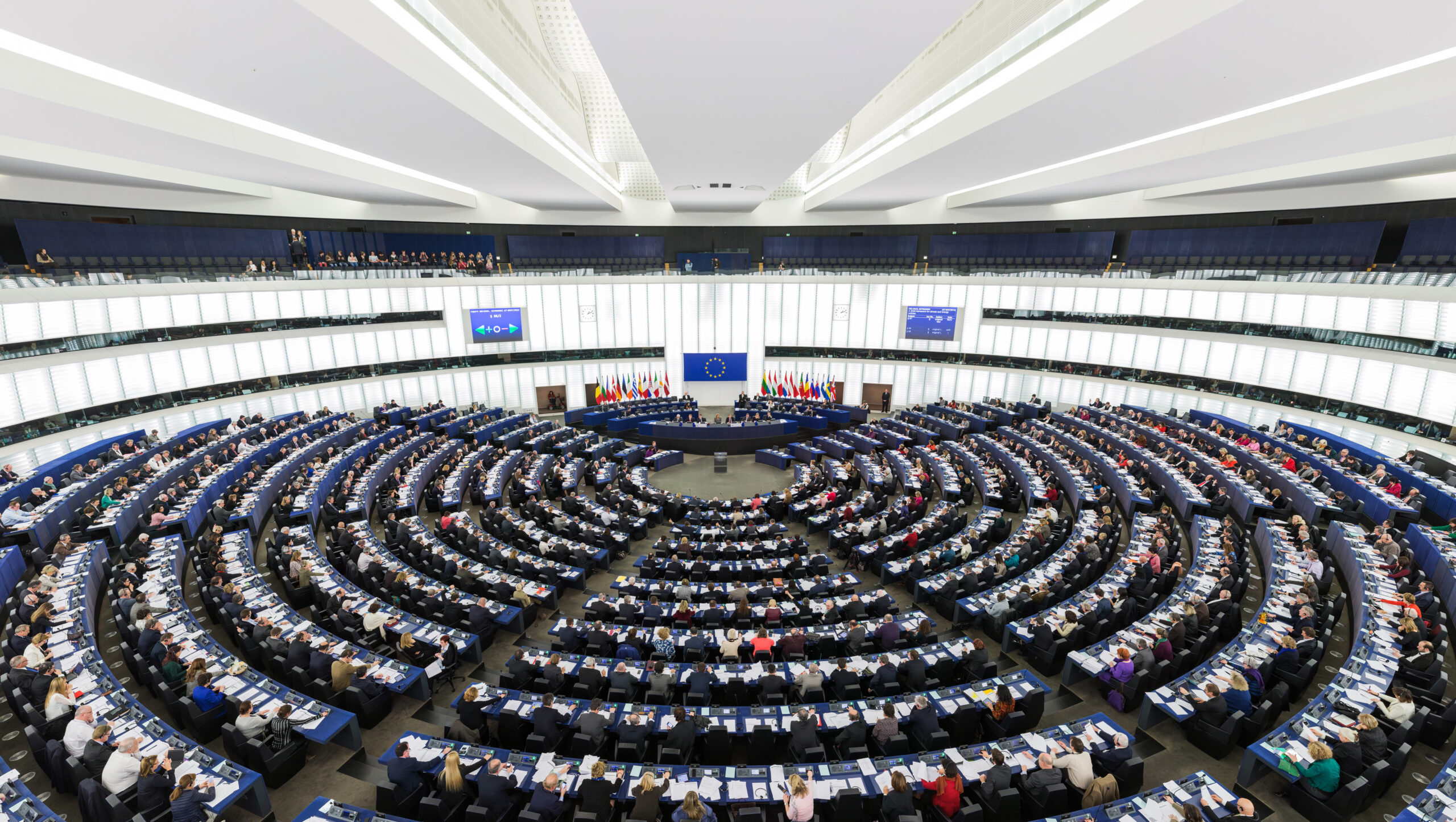
2 August 2026 sat in compliance calendars for two years as the day the EU AI Act would properly bite. A late amendment split the date in two: transparency rules arrived on schedule, the high-risk regime slipped over a year.
-

The timetable changed again in July, days before the deadline it revised. A package sold as deregulation added a new prohibition on nudifier apps and consolidated supervision in Brussels. What the AI Act requires now, and what is still to come.
-

Thomson Reuters has trained its own large language model on decades of Westlaw and Reuters content for around $40 million. The interesting question is not the model — it is whether owning the right data now beats owning the biggest system.