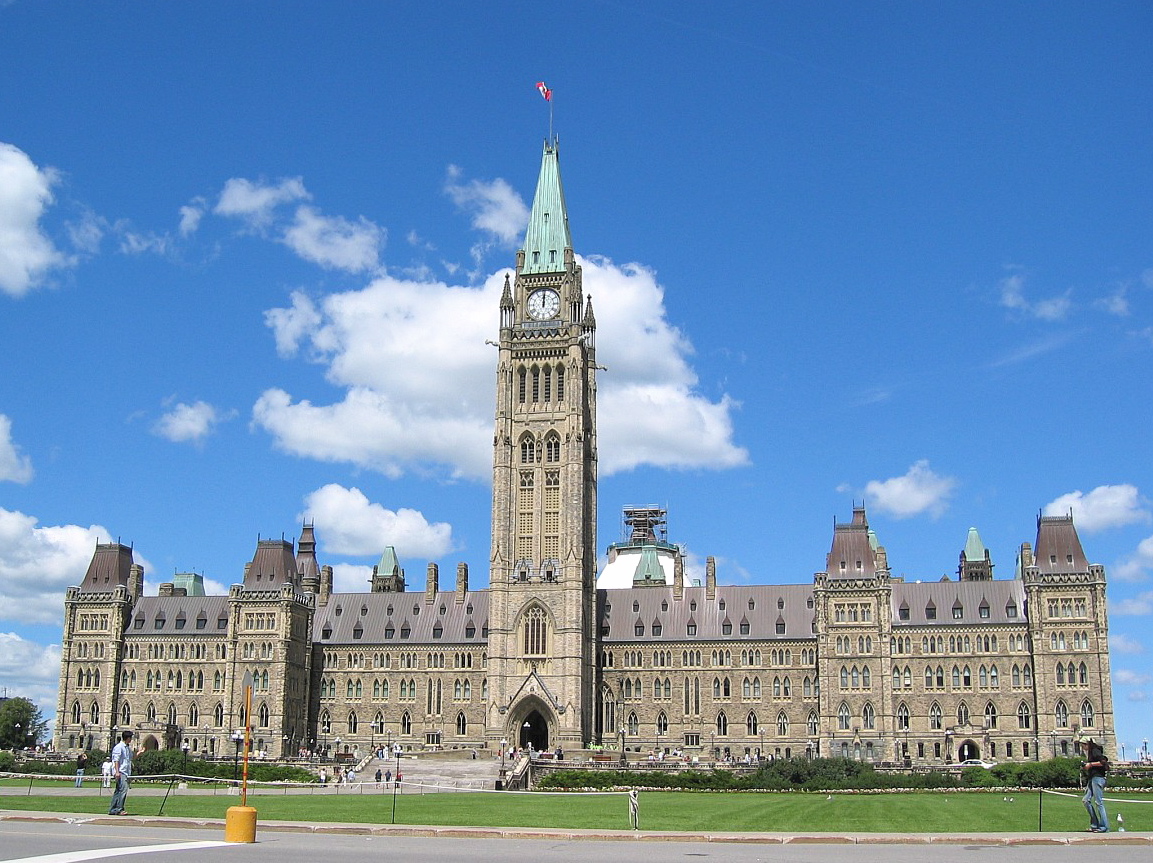
Canada’s retaliatory tariffs on American goods, worth roughly C$27.6 billion, are due to take effect on Monday 8 September 2026. No negotiations have resumed since talks collapsed on 22 August, and the measures will apply on top of the 50 per cent American duties already in force.
The public argument this week between Prime Minister Mark Carney and Commerce Secretary Howard Lutnick has not changed the schedule.
Advertisement — ad space reserved
Why retaliation is chosen even when it costs you
A retaliatory tariff is a tax paid, in the first instance, by the importing country’s own businesses and consumers. Canadian firms buying American inputs will pay more from Monday, and Canadian households will see it in prices. Economists across the political spectrum agree on this part.
Governments do it anyway for two reasons. The first is bargaining: concentrated pain in politically sensitive American export sectors is the only lever a smaller economy has, and unilateral restraint against a partner that has already imposed 50 per cent duties buys nothing. The second is domestic: a government that absorbs tariffs without responding is read at home as unable to defend the country’s interests, and that judgement is rendered at elections rather than in trade statistics.
The case against retaliating is equally clear-eyed. Canada’s economy is roughly a tenth the size of the American one and far more dependent on the trading relationship — around three-quarters of Canadian exports go south. In an escalation, the smaller and more exposed economy loses more, whatever the sequence of moves.
Which goods, and why they are chosen that way
Retaliation lists are political documents. They are typically built around products that are produced in identifiable electoral districts, that have available substitutes so domestic buyers are not left stranded, and that are visible enough for the message to register. Agricultural goods, consumer products and steel derivatives recur in these lists across countries for exactly those reasons.
What that means practically is that the burden lands unevenly on both sides of the border: specific American producers lose a specific market, and specific Canadian buyers lose a specific supplier, while the aggregate effect on either economy is comparatively small. It is a targeted instrument dressed as a macroeconomic one.
Advertisement — ad space reserved
What the collapse of talks signals
Two weeks without contact after a negotiation breaks down is a long time in trade diplomacy. Tariff deadlines are usually the point at which a call happens, precisely because both sides prefer a suspension to an implementation. That no talks have resumed suggests either that the gap is substantive rather than tactical, or that at least one side sees advantage in letting the measures start.
The thing to watch on Monday is not the headline number. It is whether either government issues exemptions in the first fortnight, which is the usual quiet mechanism for reducing the damage without conceding anything publicly.
Sources
- Reporting on Canada’s retaliatory tariff schedule and the 22 August collapse of talks, 1-5 September 2026
- Public statements by Prime Minister Mark Carney and Commerce Secretary Howard Lutnick, early September 2026
Leave a Reply