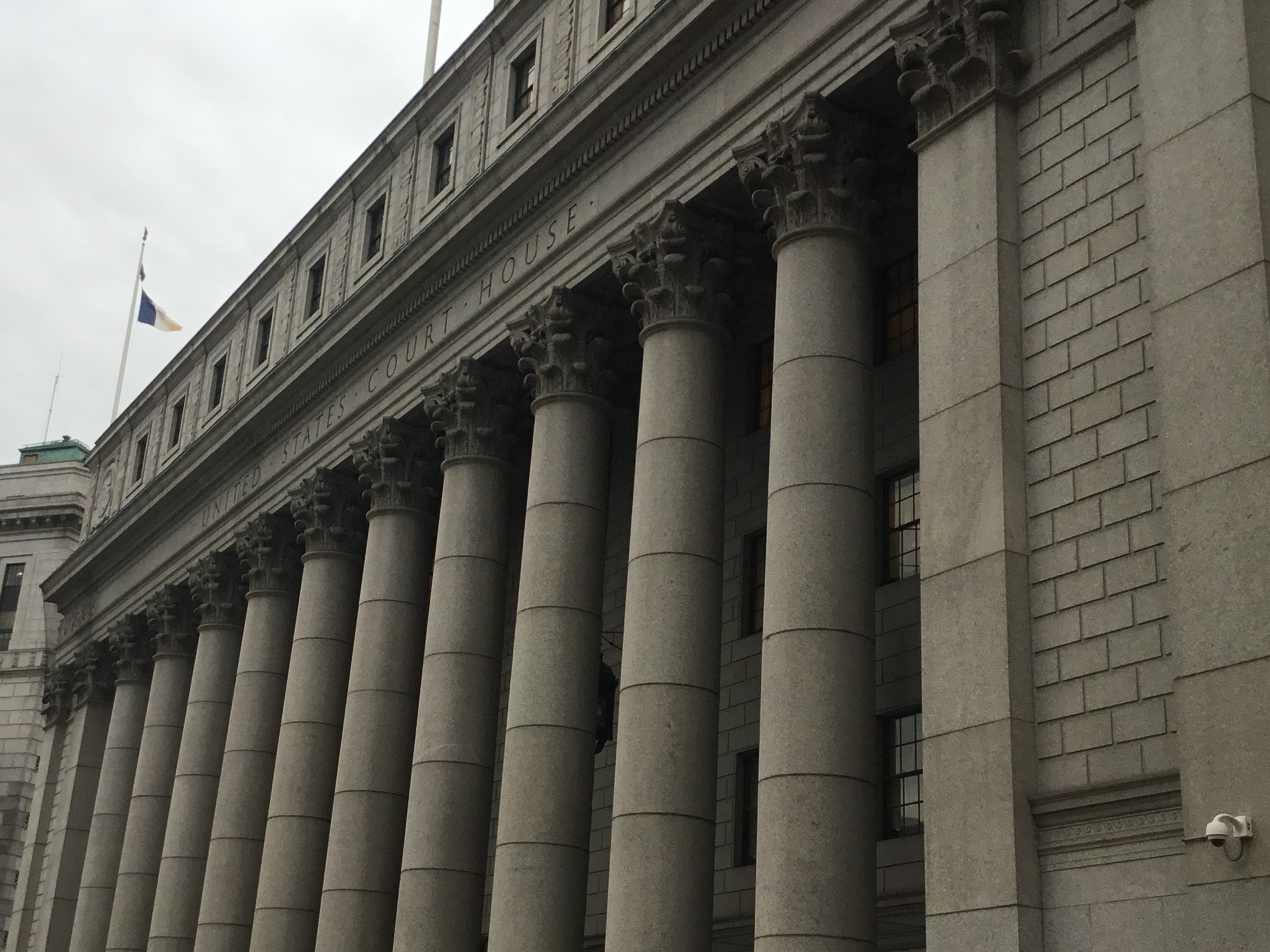
Two developments in the past twelve months have moved the argument about AI copyright from a theoretical dispute to a series of concrete legal precedents. Anthropic settled with a class of authors for a reported $1.5 billion. OpenAI has been ordered by a federal judge to hand over twenty million anonymised ChatGPT conversation logs to the New York Times and its co-plaintiffs. The Supreme Court is reviewing whether AI-generated works can be copyrighted at all.
Each of those is a story in itself. Together they are becoming the framework in which the industry has to operate.
Advertisement — ad space reserved
The core dispute
Large language models are trained on enormous quantities of text. Some of that text is unambiguously in the public domain, some was published on the open web, and a substantial share is copyrighted work that was ingested without permission or payment. The question the courts are working through, in cases whose details differ but whose shape is similar, is whether that ingestion is fair use — a doctrine in US copyright law that permits certain unlicensed uses — or infringement.
Fair use is decided case by case, weighing four statutory factors including the purpose of the use, the nature of the work used, the amount taken, and the effect on the market for the original. Reasonable lawyers disagree on how those factors apply to AI training, which is why the cases matter — each one edges the doctrine in one direction or the other.
Anthropic’s settlement
The Bartz v. Anthropic case in the Northern District of California concerned authors whose books were alleged to have been included in the training data for Claude — specifically, downloaded from unauthorised sources rather than legitimately purchased or licensed. Anthropic settled the case for a reported $1.5 billion, one of the largest sums ever paid in a copyright dispute.
Settlement means the underlying legal questions were not decided. But the number sends a signal that the industry cannot ignore: training on pirated material carries a price the companies are willing to pay to make it go away rather than test.
New York Times v. OpenAI
Filed in December 2023, the case alleges that OpenAI and Microsoft used millions of Times articles to train ChatGPT without permission, and that the resulting product can reproduce copyrighted content on demand. The case survived a motion to dismiss in April 2025 and moved into discovery.
In January 2026, Judge Sidney Stein affirmed an order compelling OpenAI to produce twenty million anonymised ChatGPT logs to the plaintiffs — rejecting OpenAI’s argument that it should be allowed to run its own search and produce only conversations implicating plaintiffs’ works. In July, the Times filed for sanctions, alleging OpenAI had withheld evidence.
Summary judgment briefing concluded in April 2026. No trial date has yet been set. The case sits at the intersection of two large questions the industry has been trying to defer: whether training on copyrighted material without a licence is lawful, and whether models can be required to prevent their outputs reproducing that material.
Advertisement — ad space reserved
The Supreme Court question
Separately, the US Supreme Court is reviewing an appeal by computer scientist Stephen Thaler on whether AI-generated works can qualify for copyright protection. The US Copyright Office’s position is that only human-authored works qualify. Thaler argues that as the owner of the AI system that produced the work, he should hold the copyright.
That is a separate question from the training-data one, but it is part of the same underlying negotiation: where the intellectual property boundaries fall when machines produce outputs indistinguishable from human ones.
What this changes in practice
For the industry, three things. Licensing deals — the alternative to litigation — have accelerated, with several major AI developers signing agreements with news publishers, book publishers and image libraries. The going rate is being established through those negotiations, and it is not zero.
Discovery has become a strategic problem. The twenty-million-log order in OpenAI’s case means user conversations that were once private business records are now potentially evidence. Every user prompt that produced copyrighted output is a documented admission.
And model training practices are shifting. The larger firms have quietly rebuilt data pipelines to avoid pirated sources and to document provenance in ways they previously did not. That does not undo past exposure. It reduces future exposure.
Sources
In re: OpenAI, Inc. Copyright Infringement Litigation (MDL, SDNY) case documents; New York Times v. Microsoft and OpenAI docket; Bartz v. Anthropic (NDCA) settlement reporting; US Supreme Court docket on Thaler; coverage by Bloomberg Law, National Law Review and Robinson+Cole.
Advertisement — ad space reserved
Leave a Reply