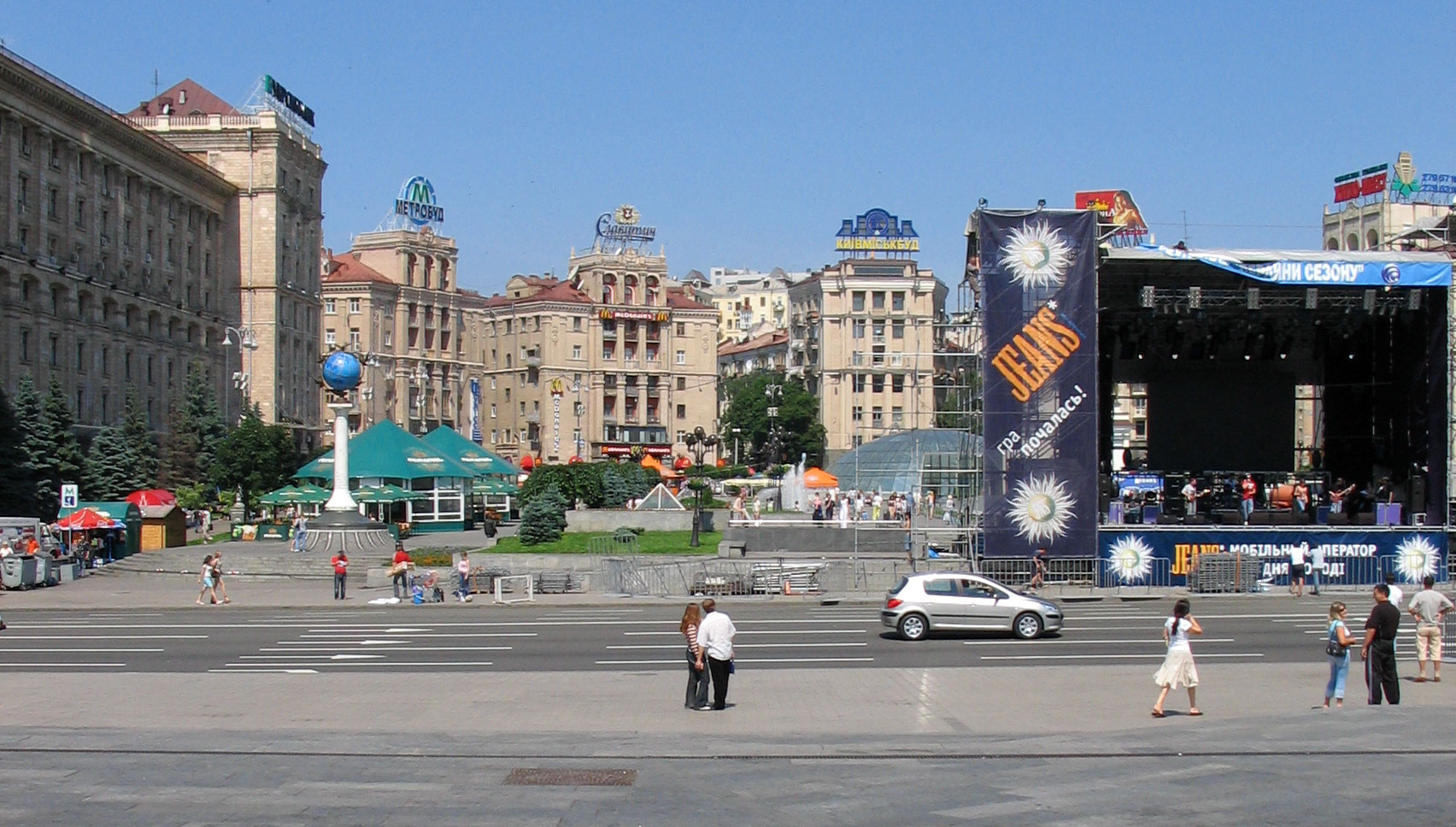
Ukraine launched a mass drone attack on Moscow while Russia bombarded Kyiv, in an exchange over the weekend of 15 August that illustrates how both sides are now fighting a war of deep strikes alongside the front line.
The pattern has become the defining feature of this stage of the war: Russia targeting Ukrainian cities and energy infrastructure, Ukraine reaching further into Russian territory to hit the industrial and export facilities that fund the war.
Advertisement — ad space reserved
What Ukraine has hit
The Moscow attack follows a run of strikes on Russian industrial targets. On 14 August, Ukraine hit NOVATEK facilities at the Baltic port of Ust-Luga, one of Russia’s principal export hubs, causing a fire. A separate strike caused a fire at a facility in Samara that produces medium-class launch vehicles and spacecraft.
Ukraine’s security service says its special operations units destroyed or damaged nearly 2,400 Russian vehicles and pieces of specialised equipment over the past month.
Attacks on the capital serve a different purpose from attacks on refineries. Moscow is heavily defended, so a drone reaching it is significant less for the damage caused than for what it demonstrates — and for the disruption that follows, since airports close and air defences fire over a city of thirteen million people who have otherwise experienced the war at a distance.
What Russia has hit
On the Ukrainian side, the daily figures are grinding rather than dramatic. Ukraine’s General Staff recorded 233 combat engagements along the front on 14 August, the heaviest around Kostiantynivka. Russian forces launched more than twenty attacks on three districts of the Dnipropetrovsk region overnight, killing a three-month-old boy and injuring eleven people. Nearly a thousand attacks were recorded across the Zaporizhzhia region in a single day, where a shopping centre caught fire after a drone strike.
Ukraine’s Centre for Strategic Communications has warned that Russia may be planning a major strike on Kyiv before Ukrainian Independence Day on 24 August. Symbolic dates have repeatedly drawn heavier attacks in this war.
Advertisement — ad space reserved
Talks without results
The diplomatic track has been busy and unproductive. Negotiators have met in Abu Dhabi, Berlin, Geneva, Istanbul, Paris and Riyadh, and envoys have shuttled to Moscow and Miami. As analysts writing in the Wall Street Journal put it this week, activity is not strategy — and the intensity of strikes across both countries in recent weeks is the evidence that it has not yet produced results.
Ukraine gained an edge on the battlefield in the first half of this year, with improved midrange strike capability disrupting Russian logistics and slowing its advances. That has not translated into leverage at the table.
Reading the claims
A standing caution applies to all of this. Strike claims come from each side’s military and are rarely independently verified in the first days. Russian officials routinely describe damage as minor and quickly repaired; Ukrainian statements emphasise significance. Satellite imagery and export data usually settle it later, and often somewhere in between.
What is not in dispute is the direction: after months of negotiation, both sides are striking deeper and more often than they were at the start of the summer, and Ukrainian intelligence expects a concentrated campaign against the power grid once winter arrives.
Sources
Ukraine’s General Staff and Security Service via Ukrinform and Militarnyi; Al Jazeera; Reuters; Wall Street Journal analysis by Matt Waldman and Samuel Charap; Foundation for Defense of Democracies overnight brief.
Advertisement — ad space reserved
Leave a Reply