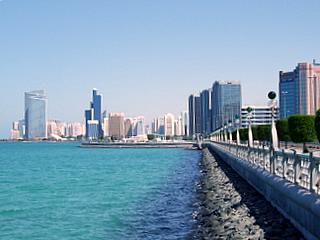
Iran has categorically rejected United Arab Emirates allegations that it launched missiles towards the Gulf state. Foreign Ministry spokesman Esmaeil Baqaei said Tehran regretted the accusations, described Abu Dhabi’s conduct as contrary to the principle of good neighbourliness, and said the claims undermine efforts to build trust between regional states and prevent further escalation.
Advertisement — ad space reserved
What is being disputed
The UAE has said Iranian forces attacked vessels linked to it in the Strait of Hormuz, including three strikes on ADNOC ships inside a week, which we covered in our report on those incidents. Iran now denies launching missiles towards the UAE.
Readers should note where this account comes from. The denial was reported through Iranian state media, which is the primary source for the ministry’s wording. That does not make the quotation inaccurate — official statements are exactly the kind of thing state outlets report reliably — but it does mean this article describes what Tehran says, not what happened.
Neither side has published evidence in public that would settle the question. In a conflict where several armed actors operate in the same waters, attribution of a launch is genuinely difficult, and both governments have reasons to characterise incidents in particular ways.
The words are the news
Diplomatic language between neighbouring states is formulaic for a reason, and the specific formulas chosen carry information.
Invoking good neighbourliness is a deliberately mild register. It frames the dispute as a lapse in conduct between countries that expect to continue dealing with each other, rather than as hostility. Expressing regret rather than condemnation does similar work. So does the closing reference to preventing escalation, which positions Iran as the party interested in de-escalation and places the burden of the accusation on Abu Dhabi.
None of this establishes anything about the underlying facts. It does indicate that Tehran is not choosing to treat the UAE as an enemy in this exchange, which is itself a meaningful signal in the middle of a wider war.
Advertisement — ad space reserved
Why the UAE occupies an awkward position
The Emirates sit directly across the Gulf from Iran and have long maintained substantial trade and financial ties with it, alongside a security relationship with the United States. That combination has served Abu Dhabi well in calmer periods and becomes difficult when its own shipping is being hit.
The UAE’s public response to the tanker strikes asserted a right and signalled resolve while committing to diplomacy — without naming a consequence. That is the posture of a state that wants the attacks to stop and does not want a war, and it constrains how far it can push an accusation once made.
Where it sits
This exchange follows the expiry of the US–Iran ceasefire earlier this week and Tehran’s signalled shift in military posture, covered in our report on the ceasefire. It also runs alongside negotiations with Oman over the Strait of Hormuz.
The pattern worth noticing is that Iran is denying an attack on one Gulf state while negotiating with another. Whichever way the attribution question is eventually resolved, Tehran is behaving as though its relationships with individual Gulf neighbours are separable from its confrontation with Washington.
Sources
Advertisement — ad space reserved
Leave a Reply