The death toll from the ferry that capsized on Lake Kariba on 11 August has passed ninety, making it the deadliest boat disaster in Zimbabwe’s history. Police confirmed at least 92 bodies recovered earlier this week, with later accounts putting the figure higher, and search operations continuing. Seventy-seven people were rescued.
Advertisement — ad space reserved
The arithmetic of an overloaded boat
The vessel, the Mbuya Nehanda, was operated by Zimbabwe’s Rural Infrastructure Development Agency and authorised to carry 90 people. Officials say it was carrying at least 114 adults and five crew, plus an unspecified number of children. Some estimates put the total as high as 153; if the recovery and rescue figures are both accurate, at least 161 people were aboard.
The uncertainty about the children is itself revealing. Authorities initially could not say how many were on board because passengers below ticketing age were not counted in passenger estimates at all. A police list released later showed that of the child victims, sixteen were ten or younger. The youngest was one year old.
A manifest that does not record small children is not a clerical detail. It means nobody knew, in the first hours, how many people to look for.
How it sank
Accounts assembled from survivors and officials describe a sequence rather than a single failure. Passengers raised concerns about the weather before departure. About thirty minutes out, waves began washing over the vessel, which was operating on one working engine. Water accumulated on board and the bilge pump — the thing that removes it — was submerged. The remaining engine stopped. Without power the boat turned broadside to the waves, and capsized.
A survivor told AFP that passengers had raised the alarm with the captain about the rough water and the overloading, and were ignored. Others said requests to turn back or seek shelter were refused.
Each element in that chain is survivable alone. Together they are not, and the order matters: a boat that loses steerage in a beam sea is finished regardless of what anyone on board does next.
Advertisement — ad space reserved
Why the boat was full
The ferry was the principal transport link between the town of Kariba and rural and fishing communities along the Chalala route, in an area where roads are damaged and other public transport is scarce. Many of the adults aboard were villagers and fish traders.
That context does not excuse the overloading, but it explains its persistence. Where one vessel is the only connection to markets, clinics and schools, refusing to board the crowded boat means waiting for the next one, which may not run. Researchers on transport safety in low-income regions consistently make the same point: overloading is rarely a single reckless decision, and is usually the predictable result of demand exceeding a scarce, subsidised service. Enforcement that only penalises operators, without adding capacity, tends to move the problem rather than solve it.
The consequences of losing the link are already visible. Fishing communities have reported catches spoiling because ice and transport to market are no longer available. Some residents have been unable to travel to attend the funerals of relatives who died in the disaster.
What follows
The recovery operation has involved four boats and more than forty divers, and police have said they expect all bodies eventually to surface. The government pledged support in the days after the sinking.
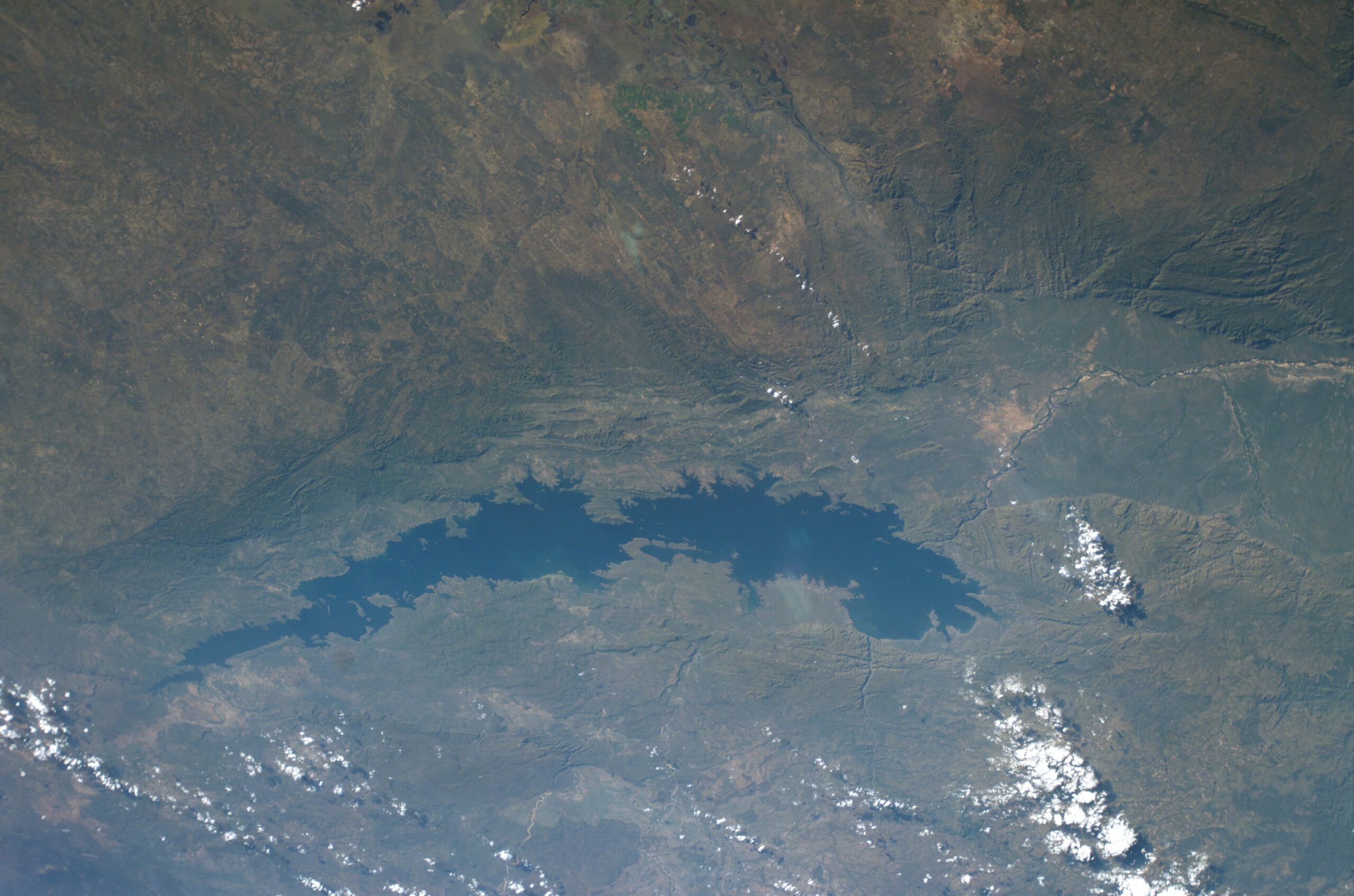
Lake Kariba is the largest man-made lake in the world by volume, created by damming the Zambezi in the late 1950s and early 1960s. It runs more than 200 kilometres long and up to 40 kilometres wide, and the border between Zimbabwe and Zambia runs down the middle of it. Water that size generates open-water conditions, and the vessels serving it are not always built for them.
The questions an inquiry would need to answer are already identifiable: why a boat was permitted to sail with one working engine, why the passenger count was not enforced at the quay, why children were not recorded at all, and whether the crew had authority to refuse departure. Whether those questions get asked publicly is a separate matter from whether they can be answered.
Sources
- Al Jazeera — death toll rises after the Lake Kariba capsizing
- CNN — child victims and passenger estimates
- eNCA — police statements and rescue figures
- Compiled account of the sinking of the Mbuya Nehanda
Advertisement — ad space reserved
Leave a Reply