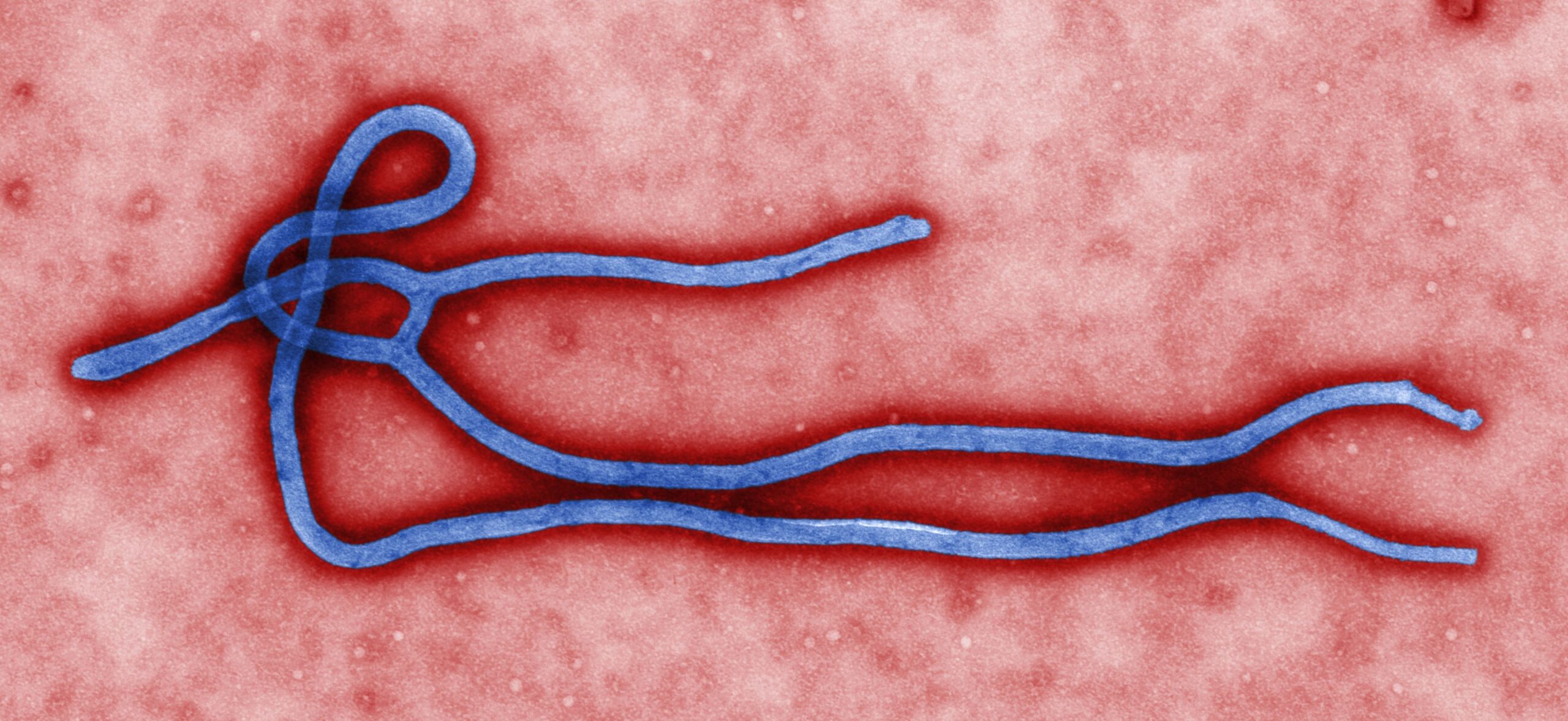
The Bundibugyo Ebola outbreak in the Democratic Republic of the Congo has passed 4,900 confirmed cases. As of data to 15 August, the DRC had reported 4,945 confirmed cases and 2,325 related deaths, with 730 patients hospitalised in isolation and 1,040 people recovered.
Advertisement — ad space reserved
The daily numbers
The most recent single-day report added 101 confirmed cases and 53 deaths. Those cases came from four provinces: 89 in Ituri, eight in North Kivu, three in Haut Uele and one in Tshopo. Across a slightly longer window, European health authorities recorded an increase of 280 cases and 141 deaths between two reporting points a few days apart.
One figure in the reporting deserves attention because it is the one that predicts what happens next: 85.3 per cent of identified contacts are under follow-up in the affected provinces. Contact tracing is the mechanism by which an outbreak is contained. The remaining share is where the next chains of transmission come from, and the number to watch is whether that percentage rises or falls.
The concentration in Ituri is the other signal. When new cases cluster heavily in one province, response capacity can be focused; when they scatter across many health zones, it cannot.
Why this outbreak is harder
The species involved is Bundibugyo, and there is no licensed vaccine or specific treatment for it. The vaccines that exist and work — the ones that shaped the response to earlier epidemics — target Zaire ebolavirus. Candidates against Bundibugyo are being tested, but testing during an outbreak is slow and ethically constrained, and nothing is available at scale today. We have set out why this distinction matters in our earlier explainer on why an Ebola vaccine exists and still does not stop this outbreak.
The setting compounds it. WHO describes a response taking place amid a humanitarian crisis, in areas that are both remote and densely populated, with insecurity and high levels of population and trade movement across borders. Each of those conditions independently makes contact tracing harder; together they make it extremely difficult.
Advertisement — ad space reserved
The cross-border meeting
The WHO Director-General opened a high-level cross-border consultative meeting on Bundibugyo virus disease risk on 17 August. The outbreak was confirmed in both the DRC and Uganda in May, and the border between them is not a barrier to the movement that spreads it.
Cross-border coordination sounds procedural and is not. It determines whether case definitions match on both sides, whether a contact traced in one country can be followed when they cross into the other, whether laboratory results are comparable, and whether either government is willing to publish figures that make it look worse than its neighbour. Outbreaks have historically been prolonged by the absence of exactly these arrangements.
Separately, WHO’s Strategic Advisory Group of Experts on Immunization has an extraordinary meeting scheduled for 19 August. Extraordinary sessions are not routine, and vaccine prioritisation for this outbreak is among the plausible subjects — though WHO has not confirmed the agenda and it would be premature to assume it.
Reading the case fatality figure carefully
Dividing deaths by confirmed cases gives roughly 47 per cent, and that number will be quoted. It should be handled with care in both directions. It excludes people who were never tested, which pushes the true denominator up and the ratio down. It also counts patients currently hospitalised as cases whose outcome is unknown, some of whom will die, which pushes it the other way. Case fatality during an outbreak is a provisional estimate, not a measurement.
What is not provisional is the direction. Cases and deaths are still rising, three months in, and the tools that ended previous Ebola epidemics do not fully apply to this one.
Sources
Advertisement — ad space reserved
Leave a Reply