Ukraine’s military intelligence has set out what it expects Russia to do this winter, and the numbers behind the assessment are worth reading carefully.
Vadym Skibitskyi, deputy head of Ukraine’s Main Intelligence Directorate, said Russia launched 198 ballistic and hypersonic missiles at Ukraine in July — the highest monthly figure this year — and fired 56 in the first week of August alone, a rate that suggests it has been drawing on stockpiles. Russian production, he said, now exceeds 100 ballistic and hypersonic missiles a month.
The assessment is that Moscow intends to rebuild those stockpiles for a concentrated campaign against Ukraine’s energy infrastructure once the cold sets in.
Advertisement — ad space reserved
What last winter cost
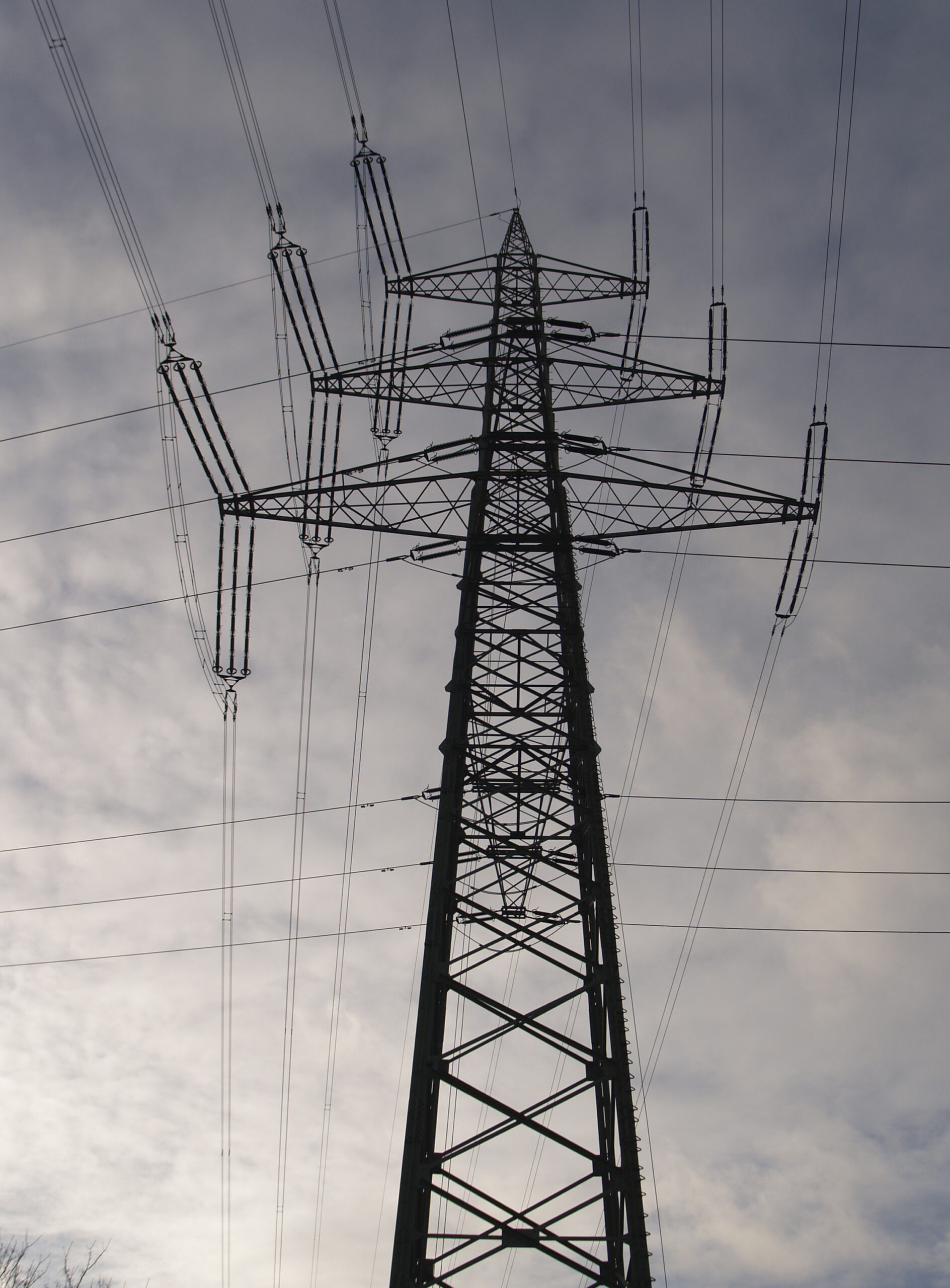
Russian strikes on the grid caused up to $70 billion of damage to Ukraine’s energy infrastructure last winter, and came close to plunging Kyiv into sustained darkness. Between December 2025 and February 2026, Ukraine absorbed fifteen large-scale attacks on energy facilities involving swarms of drones and missiles.
The strategic logic is straightforward and has been visible since 2022: destroying generation and transmission capacity in autumn means cold homes, closed businesses and dark hospitals in January. It targets civilian endurance rather than military capability.
The interceptor problem
Ballistic missiles are the hardest category to defend against, and the constraint is specific: American-made systems are the only means Ukraine has of shooting them down. Kyiv has said it has run out of interceptors, and President Zelensky pressed for more air-defence missiles during a recent White House meeting.
This is the pivot on which the coming winter turns. Drones can be engaged with cheaper systems, guns and electronic warfare. Ballistic and hypersonic missiles cannot. If the supply of interceptors does not keep pace with a stockpiled Russian campaign, the arithmetic favours the attacker regardless of how skilled Ukraine’s air defence crews are.
Advertisement — ad space reserved
The current tempo
The war has not paused while this is assessed. Ukraine’s General Staff recorded 233 combat engagements along the front on Friday 14 August, with the heaviest fighting in the Kostiantynivka sector. Russian forces launched more than twenty attacks on three districts of the Dnipropetrovsk region overnight, killing a three-month-old boy and injuring eleven people, and carried out hundreds of attacks across the Zaporizhzhia region, where a shopping centre caught fire after a drone strike.
Ukraine’s Centre for Strategic Communications has also warned that Russia may be planning a large strike on Kyiv before Ukrainian Independence Day on 24 August. Symbolic dates have repeatedly drawn heavier attacks.
How to read intelligence assessments
A caution worth stating. These figures come from one side’s military intelligence service, released publicly, at a moment when that side is asking allies for air-defence supplies. That does not make them wrong — Ukrainian assessments of Russian missile production have often proved close to the mark, and independent monitors have tracked the strike tempo separately. But the timing is not accidental, and a public warning about a winter campaign is also an argument for interceptors.
The underlying pattern is not in dispute. Russia has attacked Ukraine’s grid every winter of this war, and there is no indication it intends to stop.
Sources
Al Jazeera interview with Vadym Skibitskyi of Ukraine’s Main Intelligence Directorate; Ukrainian General Staff daily reporting via Ukrinform; Washington Post coverage of air-defence supplies; Council on Foreign Relations conflict tracking.
Advertisement — ad space reserved
Leave a Reply