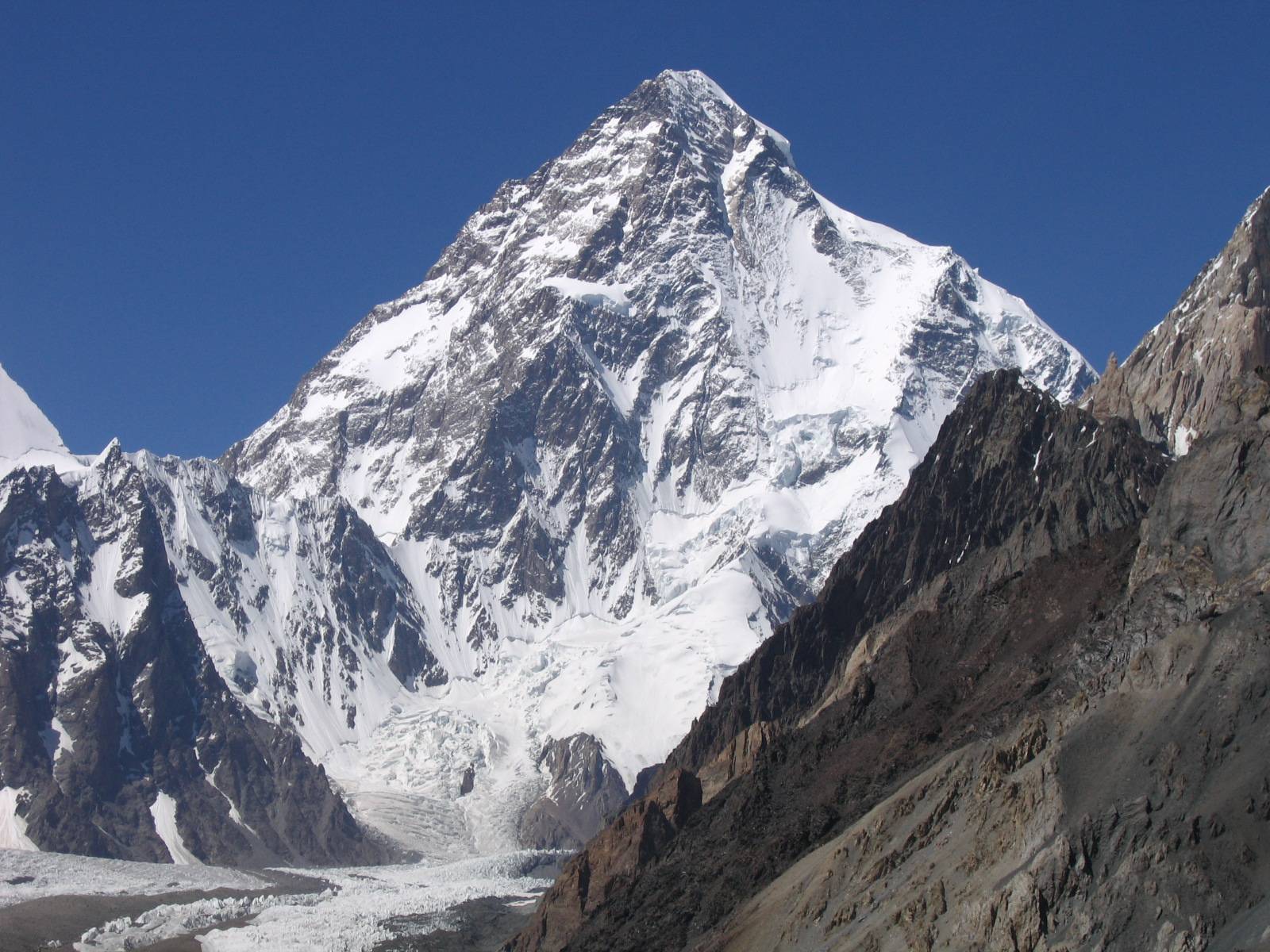
Ten climbers, among them the well-known mountaineer Nirmal Purja, have been confirmed dead in an avalanche on Broad Peak in the Karakoram.
Coverage of high-altitude deaths tends to focus on risk-taking. The more useful question is what actually happens to a human body above 8,000 metres, and why rescue there is close to impossible.
Advertisement — ad space reserved
The death zone is a literal description
The proportion of oxygen in the air does not change with altitude. What changes is pressure. At 8,000 metres, atmospheric pressure is roughly a third of that at sea level, so each breath delivers about a third of the oxygen.
The body responds by breathing faster and producing more red blood cells, but above a certain height those adaptations stop being sufficient. The body cannot acclimatise indefinitely; it deteriorates continuously. Digestion becomes inefficient, sleep is poor, muscle is consumed, and judgement degrades.
That last effect is the dangerous one. Hypoxia impairs decision-making in a way the affected person cannot detect, which is why climbers make errors at altitude that would be unthinkable at base camp.
What kills at altitude
Two specific conditions account for many high-altitude deaths, and both are forms of fluid accumulating where it should not.
High-altitude pulmonary oedema is fluid in the lungs. Breathlessness at rest, a cough, and a drowning sensation. High-altitude cerebral oedema is swelling of the brain, producing confusion, loss of coordination and eventually unconsciousness.
The definitive treatment for both is the same and is simple to state: descend. Medication and supplementary oxygen buy time; only losing altitude reverses the underlying cause.
Which is precisely the problem when someone cannot walk.
Advertisement — ad space reserved
Why helicopters cannot simply come
Helicopters generate lift by pushing air downwards. Thin air means less to push against, so as altitude increases a helicopter’s lifting capacity falls sharply — to the point where a machine that could carry several people at sea level can barely lift itself.
Rescues at extreme altitude have been performed, but they require specific aircraft, exceptional pilots, minimal fuel and payload, and calm weather. In the Karakoram, weather windows are short and the terrain offers few places to land.
Which leaves rescue on foot. Carrying an unconscious adult down technical terrain requires several strong people, each of whom is themselves deteriorating, in conditions where a single slip endangers everyone.
This is the hard fact behind these stories: above a certain altitude, a person who cannot descend under their own power very often cannot be brought down at all.
Avalanches specifically
An avalanche compounds every one of those constraints. It buries people across a wide, unstable area, and survival time under snow is measured in minutes rather than hours.
Rescuers must enter ground that has just proved itself unstable, and further slides are common. Ten deaths in a single event indicates a large slide catching a group in the open — the scenario that mountaineering safety practice is specifically designed to avoid, and cannot always.
The people who go
It is easy to frame these deaths as the price of an elective risk, and there is something in that. But the group on a Himalayan or Karakoram peak is rarely only foreign climbers. It includes local high-altitude workers — guides and porters, often from mountain communities in Nepal and Pakistan — who carry loads, fix ropes and take on the greatest exposure for wages their families depend on.
They are professionals working in the most dangerous ordinary workplace on Earth. When ten people die on a mountain, that is usually who a substantial number of them are.
Source: Wikipedia Portal: Current Events, August 2026. Physiological background from published high-altitude medicine guidance; anyone planning travel to high altitude should seek medical advice.
Advertisement — ad space reserved
Leave a Reply