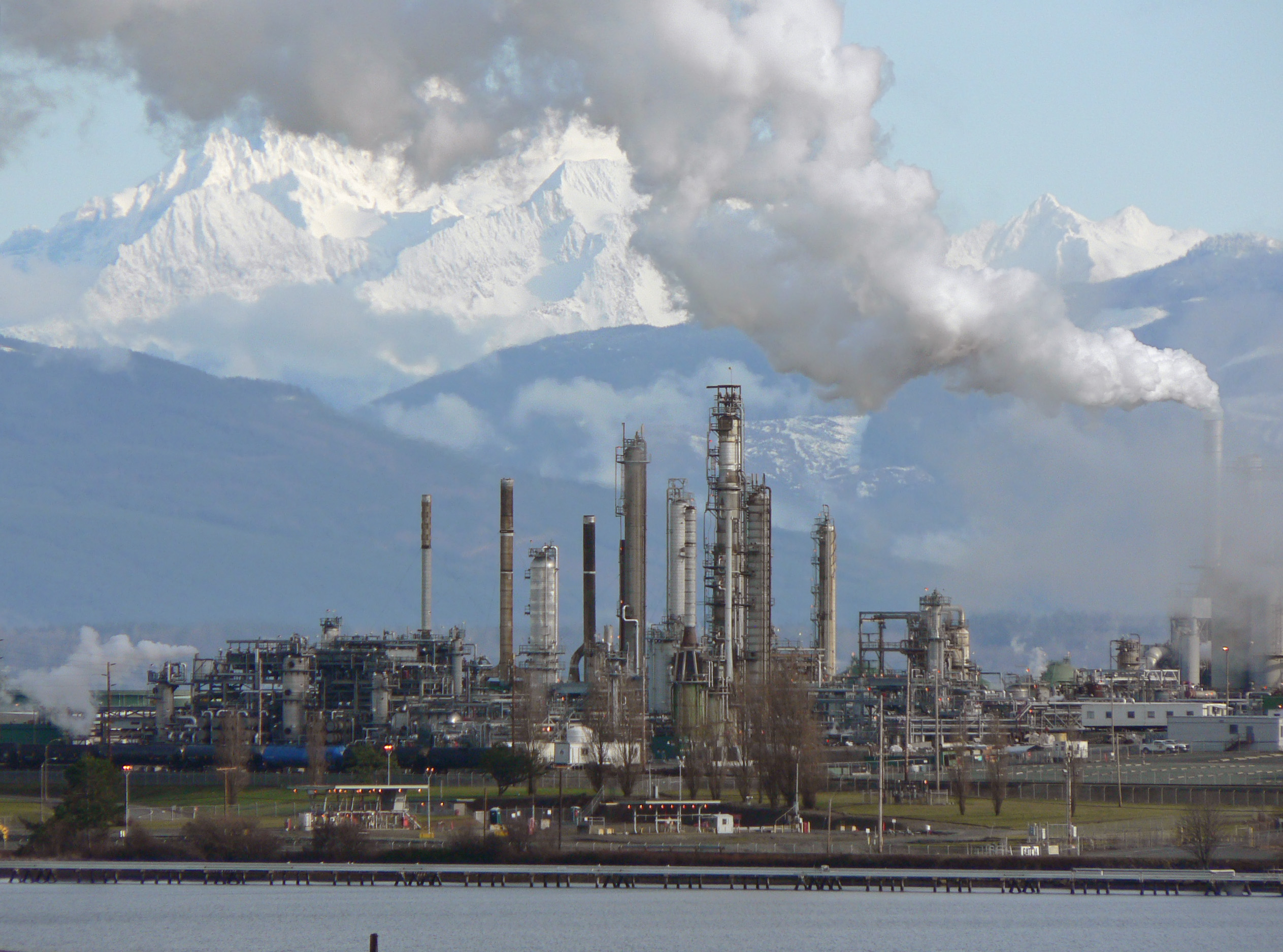
The strike on the Nizhnekamsk refinery is the latest in a long campaign against Russian oil processing. That campaign is often described as attacking Russia’s oil industry, which is not quite right — and the distinction matters for understanding what it achieves.
Advertisement — ad space reserved
Crude oil is not fuel
Oil comes out of the ground as crude — a thick mixture of hydrocarbons that cannot be put into a vehicle. It has to be separated and processed into distinct products: petrol, diesel, jet fuel, heating oil, and the feedstocks from which plastics and fertilisers are made.
That processing happens at refineries. A country can therefore be rich in oil and short of fuel at the same time, if its refining capacity is damaged or insufficient.
This is the gap the strikes exploit. Attacking an oil field is difficult and slow to matter. Attacking a refinery is neither.
Why refineries are hard to replace
A refinery is not a single machine but a site of interconnected units, some of which are effectively irreplaceable in the short term.
Distillation columns and catalytic crackers are large, custom-built and made by a small number of specialist manufacturers, most of them in countries now subject to export restrictions. Lead times are measured in months or years even in peacetime.
Repairs are also constrained by expertise. Restarting a damaged unit safely requires specialist engineers, and a facility that has burned may need extensive inspection before it can run at all.
The practical effect is that damage accumulates. A refinery hit repeatedly does not return to full capacity between strikes; it operates at a reduced rate that declines over time.
Advertisement — ad space reserved
What happens to the crude
Here is the part that produces a counterintuitive result.
When refining capacity falls, the crude that would have been processed domestically does not disappear. It is exported instead — sold to refineries elsewhere. So a campaign against refineries can reduce a country’s fuel supply and its refining revenue while increasing its crude exports.
Meanwhile the country may need to import refined products it can no longer make, paying the higher price that processed fuel commands.
The net effect on revenue is therefore not obvious from the number of strikes, and estimates vary. What is clearer is the effect on domestic fuel availability, which is what shows up as rationing, queues and price controls.
Why prices elsewhere move
Refined products are traded internationally. A large producer taking capacity offline tightens the global market for diesel in particular, and diesel is what moves freight, powers agriculture and runs construction machinery.
That is why a strike in Tatarstan can register in transport costs in countries with no connection to the war — the same mechanism we described in how a distant attack on a ship reaches your fuel bill, arriving through supply rather than through risk pricing.
The strategic question
Supporters of the campaign argue it does what sanctions have not: it reduces the fuel available to an army and the money available to a state, directly and measurably.
Critics point to two problems. Energy infrastructure is where military and civilian use are hardest to separate, so the human cost falls substantially on people with no part in the fighting. And tightening global fuel markets raises costs in poorer countries far from the conflict, which is a form of harm that rarely appears in assessments of whether the strategy is working.
Both points are serious. Neither is settled by the other.
Background reporting: Reuters, August 2026.
Advertisement — ad space reserved
Leave a Reply