Hong Kong’s 36.9°C is being reported as the highest since records began in 1884. That raises a question worth answering: how does anyone know?
Advertisement — ad space reserved
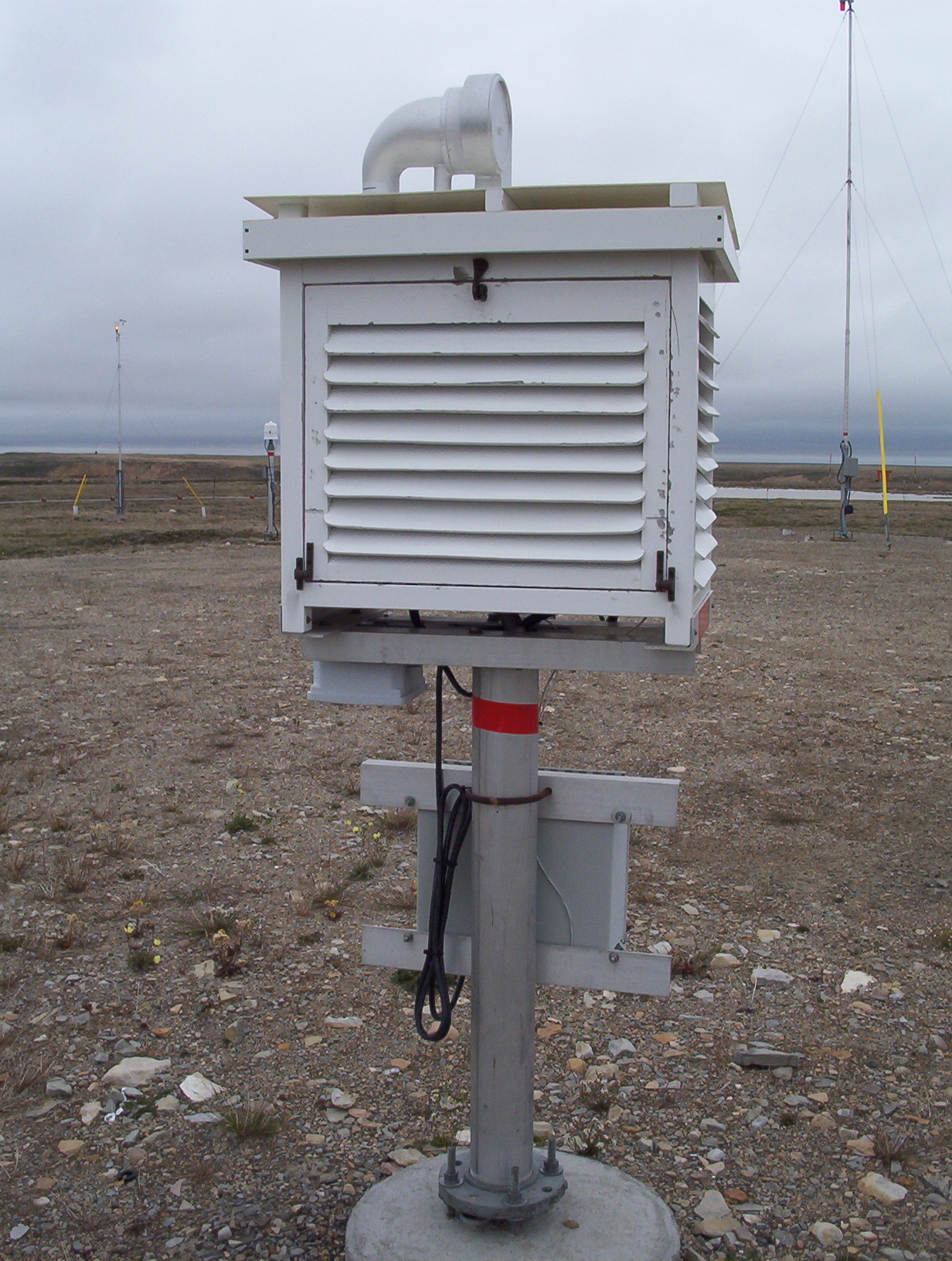
A thermometer in a white box
Official air temperature is not measured in the sun. It is measured in shade, in a ventilated white screen, at a standard height above short grass, away from buildings and paved surfaces.
The screen keeps direct sunlight off the instrument while letting air pass through. The height and the surface beneath it are specified because ground level and rooftops behave differently. The white paint reflects radiation.
None of this is fussiness. It is what makes a reading in Hong Kong comparable to a reading in Helsinki, and a reading today comparable to one from 1884.
Why your phone disagrees
A thermometer on a balcony in sunlight can read many degrees higher than the official figure, and it is not broken. It is measuring something different — including the heat of the sun striking the instrument itself, and of the surface it sits on.
The same applies to car dashboards and to weather apps drawing on nearby amateur stations. These readings describe real conditions people experience. They are not the standardised measurement that records are compared against.
The hard part: keeping a series honest
A record spanning 142 years is not one thermometer left undisturbed. Instruments are replaced, stations are moved, cities grow around them.
That last point matters most. A station that stood in open ground in 1900 may now be surrounded by concrete, which stores and re-radiates heat — the urban heat island effect. If nothing is done, that gradual warming of the site gets mistaken for a warming climate.
Meteorological services address this by documenting every change, running old and new instruments side by side during transitions, and comparing each station against neighbours to detect shifts that reflect the site rather than the weather. Where a step change is found, the historical series is adjusted and the adjustment is published.
Those adjustments are sometimes presented as evidence of manipulation. They are the opposite: the corrections are documented precisely so that anyone can check them, and independent groups working from raw data reach broadly the same conclusions.
Why the longest records are the most valuable
A record set against ten years of data means little; an unusual decade is common. A record set against 142 years is a much stronger statement, because it survives a great many ordinary fluctuations.
Long, continuous, carefully maintained station records are among the most useful scientific assets a country has — and they exist only because generations of people took the same measurement in the same way, most of them with no idea what it would eventually be used for.
Background: World Meteorological Organization standards for surface observation. Prompted by the Hong Kong Observatory record of 9 August 2026.
Advertisement — ad space reserved
Leave a Reply