A regional humanitarian update for Latin America records three figures that have drawn effectively no international coverage: 16,000 people affected by rains and flooding across Peru, a further 44,000 affected by ongoing rain, and an estimated 2 to 3 million people expected to require food assistance in Honduras and Guatemala.
One caveat belongs at the top rather than the bottom. The source carries no publication date for these entries, and the food-assistance projection is given for a June-to-August window without a stated year. We are reporting the figures as what the latest available regional update records, not as events of today, and that distinction matters enough to state plainly.
Advertisement — ad space reserved
Two numbers that look similar and are not
The Peruvian figures and the Central American one describe different kinds of thing, and conflating them is the commonest error in reading humanitarian reporting.
The 16,000 and 44,000 are counts of people already affected by something that has happened — water in houses, damaged roads, lost crops, displacement. They are retrospective and they are generally revised upward as assessment teams reach cut-off districts.
The 2 to 3 million is a projection. It is produced by food-security analysis that models harvests, prices, household income and the length of the lean season — the stretch between the exhaustion of one harvest and the arrival of the next, when rural families run short. A projection of that kind is a forecast of need, published precisely so that it can be acted on before it comes true. If assistance arrives, the number of people who actually go hungry is lower than the projection, which is the point of making it.
The Dry Corridor
Honduras and Guatemala contain much of what is known as the Central American Dry Corridor, a belt of territory running down the Pacific side of the isthmus where rainfall is erratic and smallholder farming dominates.
Households there typically grow maize and beans on small plots, with little irrigation and no financial buffer. A delayed rainy season, or heavy rain at the wrong point in the cycle, can take out a harvest. Because families eat what they grow, a failed harvest converts directly into hunger rather than into a price signal that someone else absorbs.
Researchers who study the region consistently link repeated harvest failure there to onward migration northward. That is the part of this story which does eventually reach international coverage — as a border story, several steps downstream, with the agricultural cause left out.
Advertisement — ad space reserved
Why Peru floods the way it does
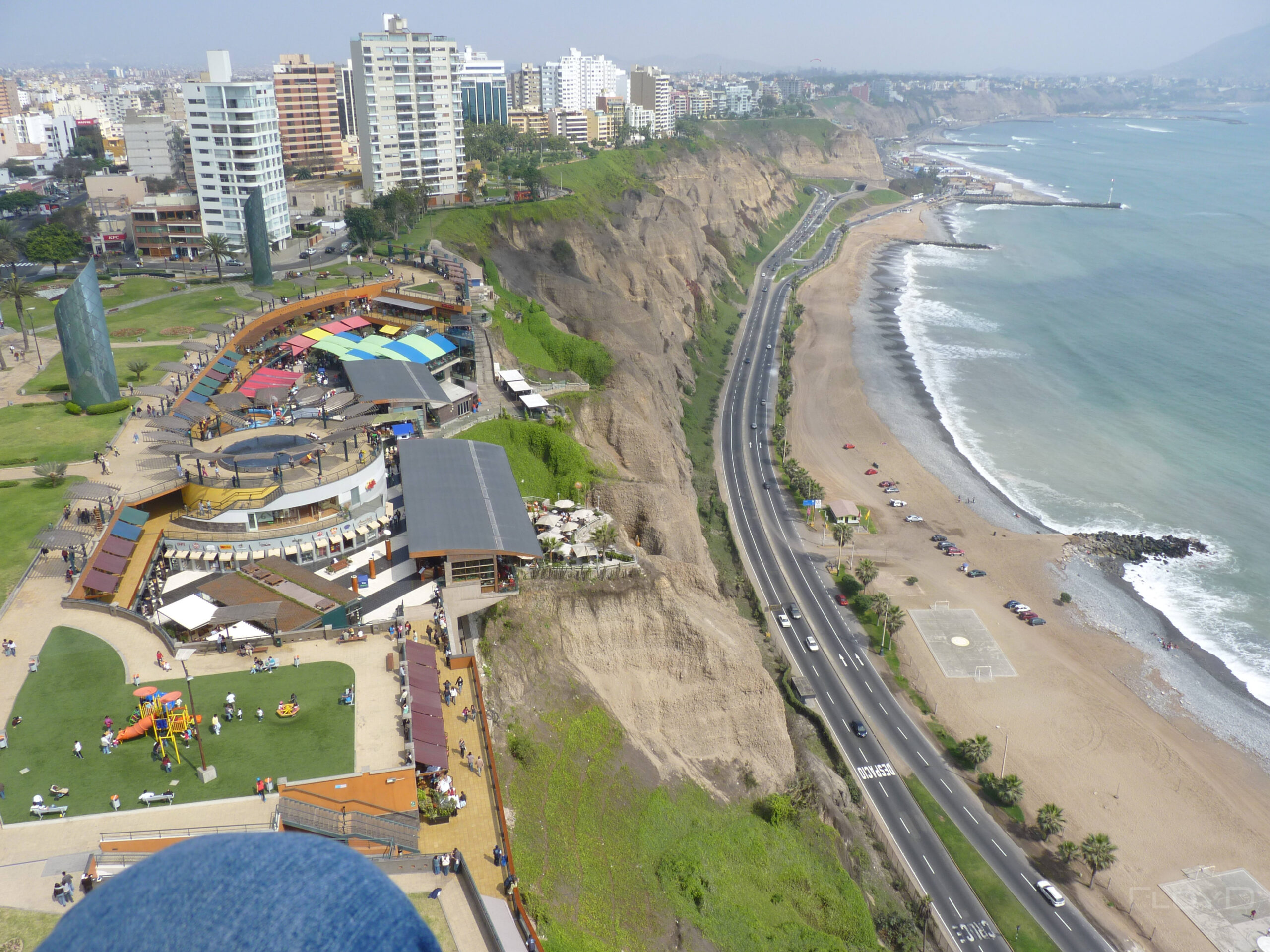
Peru’s exposure is geographic. Rivers drop steeply from the Andes towards both the Pacific coast and the Amazon basin, and settlements sit on floodplains and ravine beds that are dry for much of the year. Heavy rain in the highlands produces flooding and landslides far from where it fell, often hours later.
The pattern is also modulated by sea-surface temperatures in the eastern Pacific, which is why Peruvian flood seasons vary so sharply from year to year and why forecasting there carries unusual weight for disaster planning.
The coverage gap itself
Sixteen thousand people affected by flooding is not a small event. It is simply below the threshold at which a disaster in Latin America attracts an international news desk, which in practice tends to require either a large death toll or a recognisable city.
That threshold is not a judgement about who matters. It is a function of where correspondents are posted and what editors believe audiences will read. The consequence is that the documents recording these situations are published openly, every week, and read almost exclusively by the people already working on them.
Advertisement — ad space reserved
Sources
- Regional humanitarian update for Latin America and the Caribbean, via ReliefWeb, accessed 20 October 2026 (entries undated at source)
Leave a Reply