Spain has imposed temporary border checks on travellers arriving from Italy, days after Italy introduced similar controls on arrivals from Spain. The dispute follows the mass arrival of migrants in Ceuta, the Spanish city on the North African coast.
Two European Union member states are now checking each other’s travellers — inside a zone built specifically to abolish those checks.
Advertisement — ad space reserved
What Schengen is, and why this is unusual
The Schengen Area is the group of European countries that removed passport checks at their shared borders. Someone can travel from Lisbon to Warsaw without showing a document at any crossing. It is one of the most visible things the European project actually does for ordinary people, and it is popular for that reason.
The rules do allow a country to reintroduce checks temporarily, where it argues there is a serious threat to public policy or internal security. That provision was designed as a rare emergency measure. In practice it has been used more and more often over the past decade — for terrorism, for the pandemic, and repeatedly for migration.
What makes this instance notable is not that checks exist. It is that two member states have imposed them on each other, in sequence, as part of a disagreement between themselves.
Where Ceuta comes into it
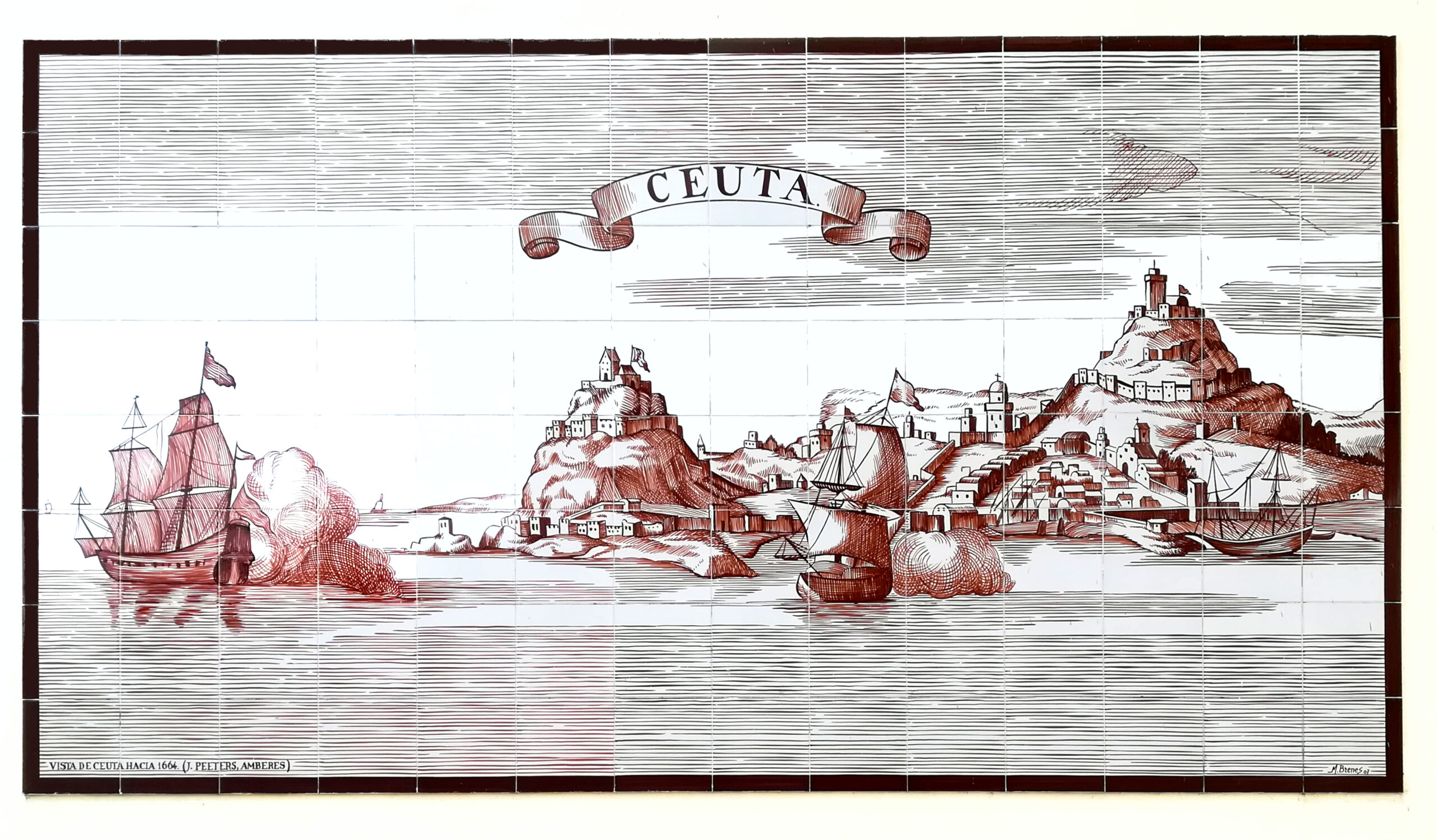
Ceuta is Spanish territory on the North African coast, bordered by Morocco. Along with Melilla, it forms one of the few places where the European Union has a land border with Africa. That geography makes it a recurring focal point for people trying to reach Europe, and a recurring flashpoint in European politics.
When large numbers of people arrive there, the effects are not confined to Spain. Under EU rules, responsibility for asylum claims generally falls on the country of first entry — which is why southern member states have long argued the system places an unfair burden on them, and why northern and other member states have resisted changing it.
Advertisement — ad space reserved
The argument on each side
Governments that impose checks make a straightforward case. A state is responsible for who enters its territory. If it believes people are moving onward in large numbers without being registered elsewhere, checking is a reasonable response, and the Schengen rules explicitly permit it.
Critics reply that checks of this kind rarely stop anyone. People determined to move find other routes, often more dangerous ones. What the checks reliably do is delay lorries, commuters and holidaymakers, and demonstrate domestic firmness to voters at home. On that reading, the measure is aimed less at the border than at the electorate.
There is a third concern, which is about precedent. Each time the emergency provision is used for something short of an emergency, the ordinary state of open borders becomes a little less ordinary.
What to watch
Temporary checks are, by the rules, temporary — they must be justified, limited in time, and notified to the European Commission. The questions worth following are whether the Commission challenges either measure, whether the checks are quietly extended, and whether other member states follow.
Migration disputes inside the EU tend not to end with a resolution. They tend to end with an arrangement nobody defends and everybody lives with.
Sources: Associated Press; Wikipedia Portal: Current Events, 8 August 2026.
Advertisement — ad space reserved
Leave a Reply