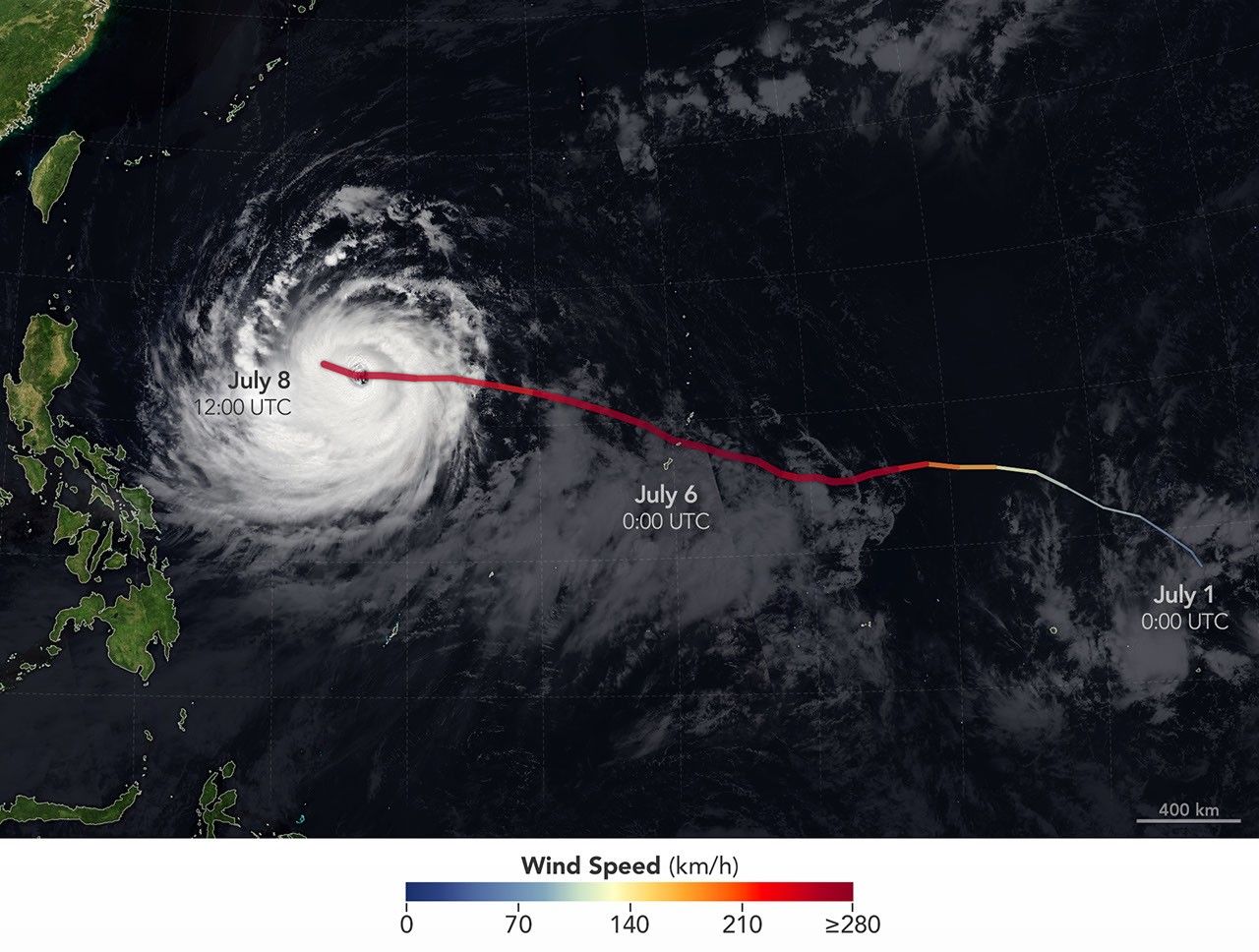
Typhoon Dolphin has made landfall in Japan’s Ryukyu Islands, the chain that includes all of Okinawa Prefecture and part of Kagoshima Prefecture. Across the East China Sea, China closed ports and suspended ferry routes ahead of the storm.
Two governments, one weather system, and a set of decisions that had to be taken before anyone knew exactly where the storm would go.
Advertisement — ad space reserved
Where the storm hit
The Ryukyu Islands stretch south-west from the Japanese mainland towards Taiwan. Okinawa, the largest and best known, sits roughly in the middle. The islands are long, narrow and low, which means a storm crossing them affects almost everyone on them at once — there is not much inland to retreat to.
This part of Japan is among the most typhoon-exposed inhabited places on Earth. Buildings are built for it, and residents are practised at it. That familiarity is a real form of protection, and it is one reason storms that would be catastrophic elsewhere are often survived here with far less loss of life.
Why China shut ports for a storm hitting Japan
A typhoon is not a point on a map. It is a system hundreds of kilometres across, dragging high seas and strong winds well beyond its centre — and its forecast track carries a margin of error that widens the further ahead you look.
For a port authority, that uncertainty is the whole problem. Securing a harbour, moving ships out to open water and standing down crews takes many hours. If you wait for certainty, you have waited too long. So ports close on the forecast, not on the storm, and they close over a wider area than the storm will actually strike.
Ferries are suspended for a simpler reason: a vessel caught in a typhoon is in serious danger, and the routes between mainland China and its islands cross open water with nowhere to shelter.
Advertisement — ad space reserved
The cost of preparing for a storm that might miss
Closing ports and cancelling ferries is expensive. Cargo sits still, crews are paid to wait, and journeys people had planned simply do not happen. When the storm then passes to one side, the precautions can look like an overreaction.
They are not. The alternative is to act only when the track is certain, and by then the ships are already at sea. Emergency planning is judged by what did not happen, which makes it permanently thankless. A typhoon that kills nobody looks, afterwards, like a typhoon that was never dangerous.
What happens next
The immediate risks in the Ryukyus are wind damage, flooding from heavy rain, storm surge along the coast, and power cuts. The clearer picture usually arrives a day or two later, once crews reach outlying islands and communications are restored.
Early damage reports from island chains are almost always incomplete. The smallest and most remote communities are the last to be heard from, and often the worst affected. We will update this article as confirmed information becomes available.
Sources: The Japan Times; Wikipedia Portal: Current Events, 8 August 2026.
Advertisement — ad space reserved
Leave a Reply